
Cómo crear una gama inclusiva de tonos de labiales nude sin generar demasiados SKU.
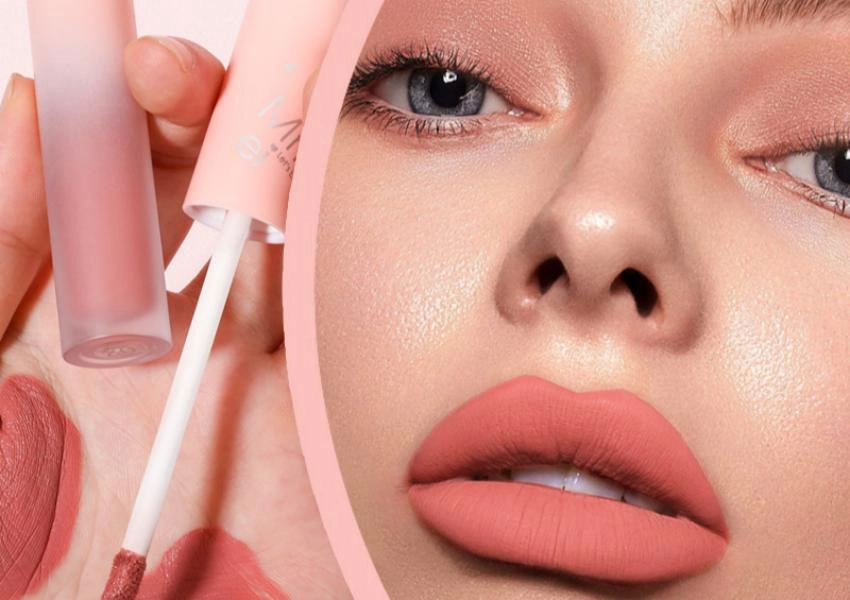
El labial nude es una de las categorías de color más saturadas en maquillaje, pero aún genera una queja común entre las clientas: un tono que se veía neutro en línea se vuelve gris, naranja, rosa o extrañamente pálido en los labios. El problema rara vez se resuelve simplemente añadiendo más tonos beige a un lanzamiento. Una gama nude ofrece a las compradoras una forma de acceder a la colección, a la vez que mantiene el desarrollo y el stock bajo control.
Para quienes buscan labiales en tonos nude, la cuestión práctica no es cuántos colores caben en un expositor, sino cuántas referencias (SKU) pueden cubrir diferencias significativas en el tono de piel, la pigmentación de los labios y las preferencias de acabado sin que la gama parezca repetitiva. Esto requiere un sistema de subtonos, no una simple fila de marrones.
Por qué el labial nude necesita más que tonos claros, medios y oscuros.
El color nude es relativo. Un tono melocotón pálido puede verse limpio y elegante en una persona, pero adquirir un tono apagado en una tez más oscura. Un rosa marrón puede lucir sofisticado en pieles medias, pero desaparecer en labios con pigmentación natural. El color de los labios también varía según la base, la cantidad aplicada y la cobertura de la fórmula. Una gama de tonos de labiales útil considera el nude como una familia de colores equilibrados, en lugar de un solo nombre de color.
La primera capa es el subtono. La mayoría de las gamas comerciales necesitan una línea cálida, una neutra y una fría o rosada. El nude intenso no debe tratarse como un marrón oscuro añadido al final. Necesita sus propias posibilidades de marrón rojizo, cacao, marrón baya y ciruela suave para que la gama funcione con pieles más oscuras y un color de labios natural más intenso. Eso es lo que hace que los tonos de labial inclusivos se sientan intencionales en lugar de superficiales.
Comience con familias de colores que se puedan usar
El lanzamiento de un compacto suele comenzar con cinco familias de tonos: beige melocotón claro, beige rosado, marrón rosado neutro, marrón caramelo cálido y marrón cacao o baya intenso. Estas etiquetas son solo nombres provisionales. Durante la fase de muestreo, cada familia debe probarse en una variedad de tonos de piel y en labios con distintos niveles de pigmentación. Si dos muestras ofrecen el mismo resultado visible tras una sola aplicación, probablemente una de ellas no merezca su denominación de producto.
Crea la gama en función del subtono y el pigmento de los labios.
El subtono de la piel importa, pero el pigmento de los labios también. Un tono nude translúcido, similar a un bálsamo, permite que el color natural de los labios defina el resultado final. Una barra de labios cremosa o mate cubre mejor el color inicial, lo que influye en la cantidad de tonos necesarios. Una fórmula de alta cobertura puede requerir tonos más específicos, ya que su pigmento se ve claramente. Un acabado más suave puede cubrir un rango más amplio de tonos, siempre que el color base no sea demasiado pálido ni anaranjado.
Ahí es donde la selección del acabado se convierte en parte de la planificación del tono. Los sistemas de labiales suelen usar aceites, ceras, pigmentos y polvos. Las ceras crean la estructura de la barra; los pigmentos aportan el color; los polvos pueden modificar la sensación oleosa, la cobertura y el aspecto mate o nacarado. Los tonos mate suelen ofrecer una mayor cobertura, pero pueden hacer que las líneas de los labios secos sean más visibles. Los formatos aterciopelados y cremosos suelen suavizar ese efecto, mientras que los acabados hidratantes y cremosos son ideales para looks nude de uso diario, ya que facilitan el deslizamiento y proporcionan un brillo más sutil.
Para una colección centrada en la comodidad, una labial hidratante de larga duración es una ruta de producto más cercana que una bala mate densa porque la historia de la fórmula respalda un pago nude más suave. Para una gama más refinada para la oficina o ocasiones especiales, Barra de labios sólida de textura sedosa Puede ofrecer al comprador un punto de referencia útil para un formato sólido y uniforme. El nombre del acabado debe coincidir con el aspecto que adquiere el color después de diez minutos, no solo con la primera aplicación.
Utilice la cobertura como herramienta de control de alcance.
La cobertura puede reducir la presión de las referencias. En lugar de crear tres tonos beige claros casi idénticos, una marca puede optar por un beige neutro de cobertura media y un beige rosado translúcido. Estos tonos satisfacen diferentes necesidades del consumidor y crean looks visiblemente distintos. Del mismo modo, un nude marrón oscuro con acabado cremoso puede parecer más versátil que un marrón mate intenso. Esto resulta más útil que añadir otro tono simplemente porque se ve diferente en el envase.
Una arquitectura de seis a ocho referencias que aún se siente inclusiva.
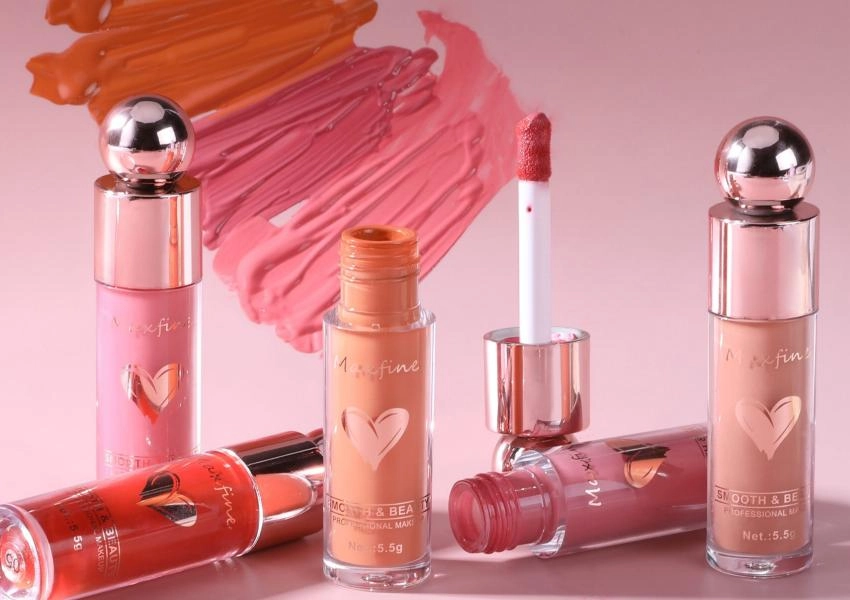
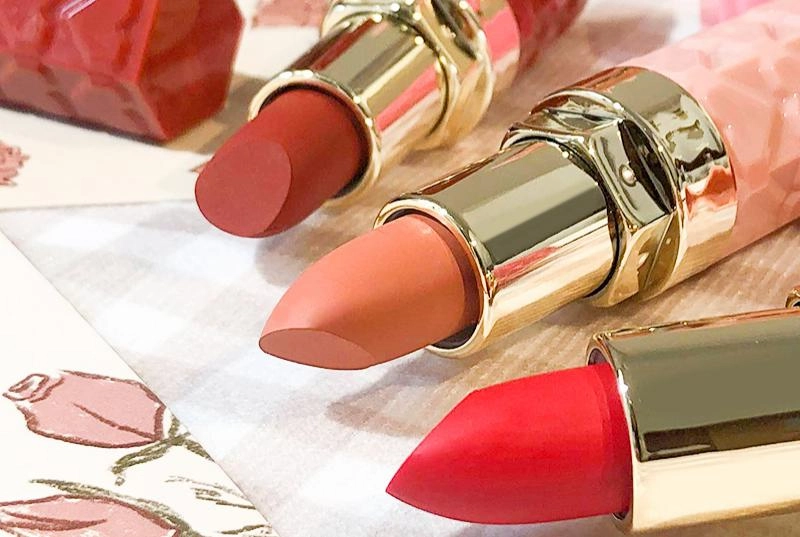
Para muchos lanzamientos de labiales de marca propia, es más fácil vender entre seis y ocho tonos nude bien diferenciados que una colección de doce con límites difusos. Un buen comienzo con seis tonos podría incluir un melocotón neutro claro, un beige rosado claro, un marrón rosado medio, un tostado cálido, un marrón terracota y un rosa cacao más intenso. Una línea de ocho tonos puede añadir un marrón malva apagado y un marrón baya, ofreciendo así una mejor opción tanto para quienes prefieren tonos fríos como para quienes buscan pigmentación labial más intensa.
La gama de tonos debe estar organizada de claro a oscuro y luego verificarse por subtono. Si todos los tonos intermedios tienden a ser cálidos, la selección excluirá a los consumidores que buscan un efecto rosado o topo suave. Si todos los tonos más oscuros tienen el mismo matiz anaranjado, la colección se verá limitada incluso cuando la variedad de tonos parezca amplia. Un mapa de tonos sencillo evita esto: se indica la profundidad en un eje, el subtono en el otro y luego se marcan las celdas que realmente están cubiertas.
Combina tonos solo cuando el formato tenga sentido.
Los productos emparejados pueden crear variedad sin duplicar el desarrollo de fórmulas, pero el emparejamiento debe resolver un caso de uso real. lápiz labial de doble punta Funciona mejor cuando los dos extremos ofrecen un contraste útil, como un tono tostado cálido con un delineador marrón más intenso, o un beige rosado para el día con un marrón más intenso para la noche. Dos tonos nude casi idénticos en un mismo producto dan la sensación de ser un excedente de inventario disfrazado de conveniencia.
Controles de muestras que evitan la aparición de tonos casi idénticos.
Una carta de colores no es suficiente para la aprobación. Las muestras deben compararse a la luz del día, con luz cálida de tienda y con flash de cámara. Aplíquelas con una y dos pasadas, y déjelas reposar. Un tono nude que se ve equilibrado al aplicarlo puede oxidarse y adquirir un tono más cálido, perder su matiz rosado o mostrar irregularidades a medida que los aceites se asientan. En producción, las muestras de color también deben revisarse para comprobar su difuminación, su comportamiento a altas y bajas temperaturas y su intensidad antes del envasado a granel.
Utilice una prueba comparativa para detectar duplicados. Coloque cada muestra una al lado de la otra en al menos tres modelos de labios o simuladores de labios. Haga una pregunta directa: ¿vería un comprador un resultado diferente sin leer el nombre del tono? Si la respuesta es no, retire o reformule la opción menos efectiva. Este mismo criterio es útil al aprobar colores de labiales personalizados en diferentes acabados, ya que un color que funciona en satinado puede no verse igual en mate.
Un jugador neutral de alta cobertura puede ser útil, pero necesita un lugar claro en la línea. labial mate resistente al agua Es una dirección de producto relevante para una marca que busca un tono nude definido y duradero con una presencia de color más intensa. Debería complementar, en lugar de reemplazar, los tonos que priorizan la comodidad. Rara vez una sola fórmula tiene que satisfacer todas las necesidades del consumidor de tonos nude.
Informar a un fabricante sin convertir la gama de productos en una mera conjetura.
El brief de desarrollo más útil proporciona al proveedor un mapa de gama, mercados objetivo, prioridades de acabado, tonos de referencia, directrices de empaquetado y el número de referencias que deben superar la revisión comercial final. También debe indicar qué colores son innegociables. Por ejemplo, una marca podría estar dispuesta a modificar ligeramente un beige claro para que tenga un tono más rosado, pero necesita que el marrón más oscuro conserve suficiente matiz rojo o baya para evitar que parezca ceniciento.
Más adelante en el proceso, L& J Cosméticos Puede brindar soporte a proyectos de labiales mediante muestreo OEM/ODM, selección de textura, ajuste de tono, revisión de relleno y opciones de empaque. Su experiencia en producción, establecida en 2009 con más de 150 empleados y una planta de producción que supera los 20 000 metros cuadrados, es fundamental cuando un comprador necesita consistencia de color entre muestras y productos a granel, en lugar de un prototipo atractivo único.
La mejor colección de tonos nude no pretende ser todo para todos. Ofrece a más compradoras una opción creíble, diferencia claramente la función de cada tono y deja margen para que la marca reordene los colores que resulten más favorecedores. Así es como una gama inclusiva se mantiene comercialmente estable en lugar de convertirse en una costosa colección de tonos casi idénticos.
Preguntas frecuentes
P1: ¿Con cuántos tonos de pintalabios nude debería empezar una nueva gama de marca propia?
A1: Para un primer lanzamiento, suelen ser suficientes entre seis y ocho tonos bien diferenciados. Empiece con una cobertura de subtono y profundidad definida, y luego añada colores una vez que las ventas y los comentarios de los clientes muestren carencias reales.
P2: ¿Qué características debe tener una gama de labiales nude para ser inclusiva?
A2: Incluye opciones claras, medias y oscuras con subtonos cálidos, neutros, rosados y marrones o baya más intensos. También tiene en cuenta el pigmento natural de los labios y la cobertura de la fórmula.
P3: ¿Deberían todos los labiales nude tener el mismo acabado?
A3: No necesariamente. Una gama compacta puede combinar tonos nude cremosos o satinados que priorizan la comodidad con uno o dos tonos mate más intensos cuando los acabados satisfacen necesidades claramente diferentes de los compradores.
P4: ¿Cómo pueden las marcas evitar duplicar los tonos nude durante el muestreo?
A4: Compara cada muestra una al lado de la otra en diferentes pigmentos labiales, condiciones de iluminación y niveles de aplicación. Elimina los tonos que produzcan el mismo resultado visible después de su uso.
P5: ¿Qué debe incluirse en un briefing para colores de pintalabios personalizados?
A5: Incluya la profundidad objetivo y las familias de subtonos, el acabado, la cobertura, los colores de referencia, la dirección del empaque, la región de mercado, la cantidad prevista de SKU y las funciones de los tonos que deben permanecer diferenciadas.