
Why Does Foundation Oxidize and What Private Label Buyers Should Test Before Approving Shades
A shade can look right when it leaves the filling line and still be the wrong shade to approve. Sometimes it darkens after dry down. Sometimes it becomes warmer after contact with skin oil. Sometimes the formula has not changed at all, but the sample is being judged under a retail light that makes it look too yellow. A private label foundation buyer needs to separate those events before asking a supplier to correct an oxidation problem that may actually be a matching, lighting, or application issue.
That is where approval becomes more than a fresh hand swatch. A practical decision has to follow the same shade through controlled application, dry-down, wear on an intended base, storage, final packaging, and batch comparison. The aim is not to demand a color that never changes under any condition. It is to identify changes that are visible, repeatable, and unacceptable for the claim, finish, and customer group the brand has chosen.
Separate Four Different Shade Problems
Foundation oxidation is often used as a catch-all term. For sample approval, split the complaint into four questions. First, is there a normal dry-down shift as water or volatile ingredients leave the film? Second, does the shade shift after contact with sebum, sweat, or a skin-care-rich base? Third, does the filled formula change during heat, light, or time in storage? Fourth, is the apparent problem created by lighting, camera white balance, or an unsuitable comparison shade? Each has a different test and a different response.
Dry-Down And Oxidation Are Not The Same
A small change after the liquid foundation settles may be expected if shade matching accounts for it. It becomes a release problem when the shift is large, uneven across the range, or different from batch to batch. Oxidation is more likely when a formula or its color system changes over time or reacts under use conditions. The buyer should record the direction of the change: darker, warmer, redder, greyer, less bright, or more yellow. A comment such as ‘it turns bad’ is too vague for a useful sample revision.
Lighting Can Create A False Alarm
Warm indoor lighting can make a neutral foundation read peach or yellow, while cool light can flatten a warmer shade. Approval photos therefore need a declared light source and consistent exposure. Keep the same background, application amount, and elapsed time for every comparison. A color mismatch caused by a camera filter should not trigger formula work; a repeatable change on skin and in the filled product should.
Test The Actual Base And Skin Conditions
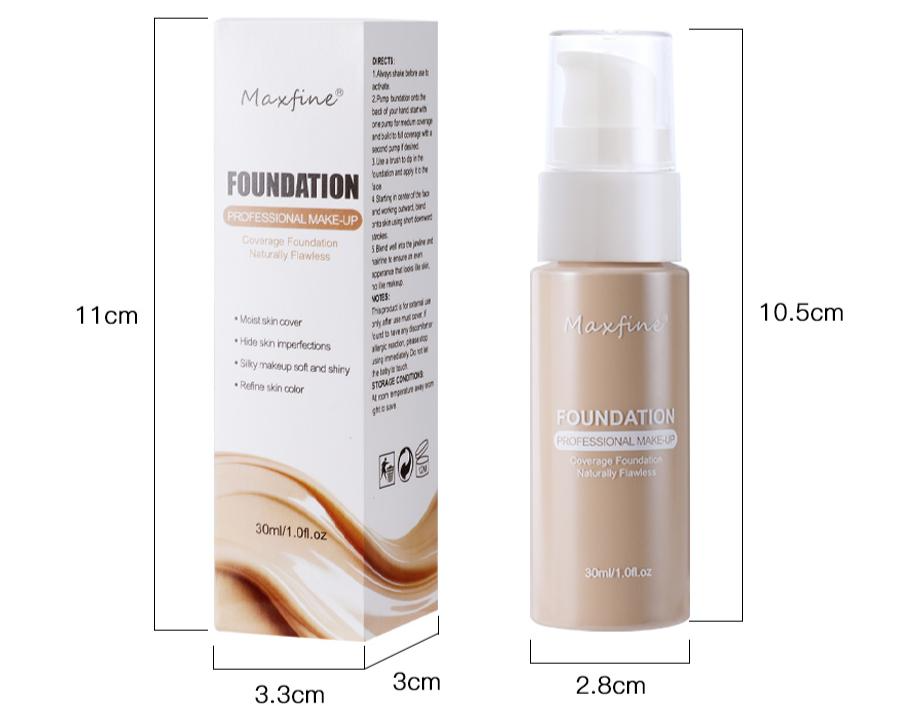
Foundation shade testing should begin with the intended product format. Liquid foundation in L&J Cosmetics is used to even skin tone and cover minor imperfections and is commonly packed in pump bottles or squeeze tubes for controlled application. Water-based directions can carry powdered pigment in water and glycerin, where settling and dispersion checks matter. Emulsion systems bring another layer: oil-in-water bases can feel fresh but may behave differently with sweat and sebum, while water-in-oil systems with a silicone outer phase are often considered for stronger summer wear.
Those facts give a buyer a reason to approve a shade over the foundation’s intended application context. Use a consistent amount on more than one relevant skin type or base condition, then compare fresh application, set time, and wear. A highly matte base may expose a dry-down jump differently from a richer base. Oily skin may reveal a warm shift that a dry forearm does not. This does not require a fabricated clinical panel or a universal passtime. It requires a documented, repeatable sample method.
Un Base de maquillaje líquida para controlar la grasa is a relevant route for a brand developing a shine-conscious base product. The exact shade still needs to be viewed after spread, set, and oil contact. A matte story cannot be used as shorthand for permanent color accuracy, especially when a range includes several pigment ratios from light to deep shades.
Review Pigment Dispersion Before Making Color Claims
Color behavior is linked to pigment dispersion as well as to the shade name. Alkylsilane-treated pigments wet well in synthetic esters, mineral oils, and silicone oils, helping higher pigment loading and better compatibility in stick, powder, lipstick, eyeshadow, and foundation systems. ITT treatment reduces powder oil absorption and can support high pigment loading in low-viscosity base makeup. Hydrogenated lecithin treatment can improve oil-phase dispersion and skin compatibility, while the lecithin route needs care because lecithin itself can be prone to oxidation, discoloration, and odor change.
These treatments are not a checklist to copy into every private label foundation. They explain why one shade family may need different reviews from another. A deep shade can have a different iron-oxide balance from a light shade, and a high-coverage version can place more stress on the dispersion system than a sheer formula. Ask to compare representative light, medium, and deep shades after the same storage and application steps. Approving a single beige sample is not approval of a complete range.
Keep The Claim Boundary Honest
Trimethylsiloxysilicate is described in the industry material as a film former that can resist moisture, sebum, and friction in a suitable system. That can be useful when a brand is reviewing a longer-wear direction, but it does not make every formula immune to color change. The buyer should agree on the test setting, reference shade, allowed variation, and observation points before writing any oxidation or wear claim.
Run Stability Tests In The Final Pack
A cosmetic stability test is not limited to a clear laboratory cup. Put the approved sample into the final bottle, tube, or stick component, then check it under the storage conditions that fit the project. Compare color, odor, dispersion, separation, and dispensing at defined intervals. Use the same pack orientation where a pump, tube, or cap could affect first-use behavior. A sample that is uniform after mixing but releases an oil-rich first pump and a pigment-heavy later pump has a practical color-consistency problem.
Packaging-material samples to be tested before mass production where leakage or component quality can affect the finished product. That gate also supports shade approval. Air exposure, closure fit, decorative components, and dispensing behavior can all matter once the formula moves out of the lab. The colección de la fundación gives a useful category bridge when the brand is comparing liquid and stick directions, but each format needs its own approval plan.
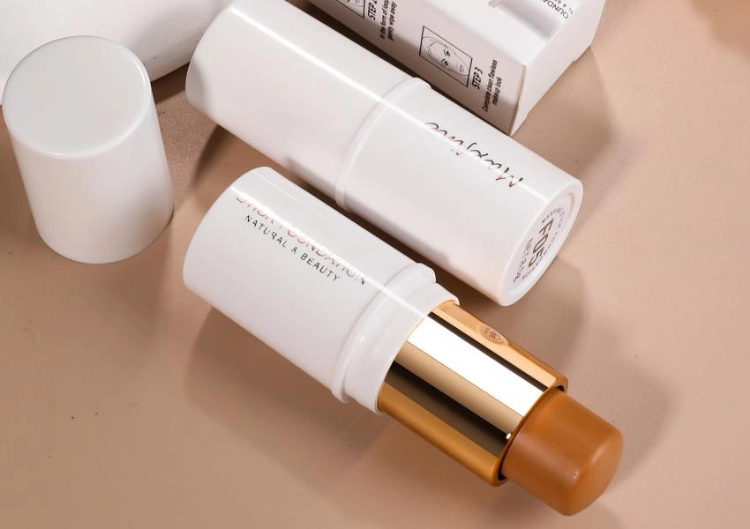
A base de maquillaje en barra is smooth, portable, and more covering than lighter cushion-style foundations in the project material. It uses less water than many liquids and relies more on its wax, oil, powder, and bullet structure. Do not reuse a liquid test unchanged for a stick. Add checks for bullet condition, rub-off, heat behavior, and color consistency along the application path.
Turn Sample Notes Into A Release Decision
A useful approval sheet names the shade code, reference standard, product format, application amount, light source, base condition, set time, storage condition, final component, and observed result. It also distinguishes an acceptable dry-down from a rejection. This gives the brand and supplier one language for future revisions and batch checks. It is far more useful than approving a shade from a phone photo with no record of how it was applied.
Later in development, L&J doosmética can support OEM/ODM discussions on foundation formula direction, shade matching, packaging, printing, and sample confirmation. L&J Cosmetics has worked in color cosmetics since 2008 across face, eye, lip, nail, brow, and remover categories. The clearest buyer brief tells the supplier what the shade must do after application and inside its final pack, not only what it should resemble in a first swatch.
Preguntas frecuentes
Q1: Is every darker dry-down an example of foundation oxidation?
A1: No. A small, consistent dry-down shift can be normal. Oxidation should be investigated when the color changes further over time, reacts on skin, or varies unpredictably between shades or batches.
Q2: Why should light and deep foundation shades be tested separately?
A2: Their pigment ratios can differ. A representative sample from each depth family helps reveal color, dispersion, or wear behavior that one beige shade may not show.
Q3: Can a phone photo approve a foundation shade?
A3: It is useful supporting evidence, but it should not be the sole approval method. Record the light source, background, set time, and physical reference sample as well.
Q4: Why does final packaging matter to foundation shade testing?
A4: The package can affect air exposure, dispensing, separation, and first-use product balance. A formula should be reviewed in the component sold to the customer.
Q5: What should a private label buyer ask for before bulk approval?
A5: Ask for shade references, dry-down and wear comparisons, representative depth-family samples, final-pack checks, storage observations, and a documented release standard.