
Concealer Palette vs Liquid Concealer: Which Creates a Smarter Shade Strategy
A concealer launch can turn into too many SKUs when every skin tone, correction need, and finish preference is handled with a separate liquid shade. It can go the other way as well: a compact palette may look efficient on a line plan but feel too complicated for a customer who only wants one familiar under-eye concealer. The choice between a palette and a liquid format is not simply a packaging decision. It determines how the brand builds its shade ladder, explains color correction, sets price architecture, and collects sample feedback before purchase orders are released.
For private label buyers, the smarter shade strategy begins with the job the product must do. Is it intended to brighten under-eyes, conceal local blemishes, neutralize redness, cover deeper discoloration, contour, or provide a compact artist-style kit? A single liquid concealer shade can make daily use straightforward. A palette can reduce the need for multiple corrective shades because users can mix or zone-apply. Both can work, but they ask for different formula, color, and pack approvals.
Start With Use Cases Rather Than Shade Count
The term “concealer shades” can hide several product roles. A skin-tone liquid usually focuses on coverage and brightening within a familiar complexion range. A palette can include a natural tone, a brightening tone, and a correction direction that deals with a different facial concern. Adding every role to one liquid ladder may make the assortment hard to navigate. Putting them all into a palette can make a simple daily purchase feel more technical than it needs to be.
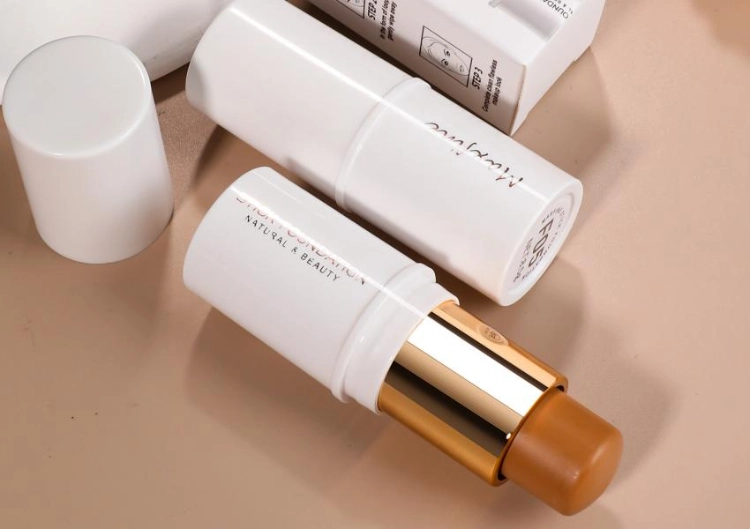
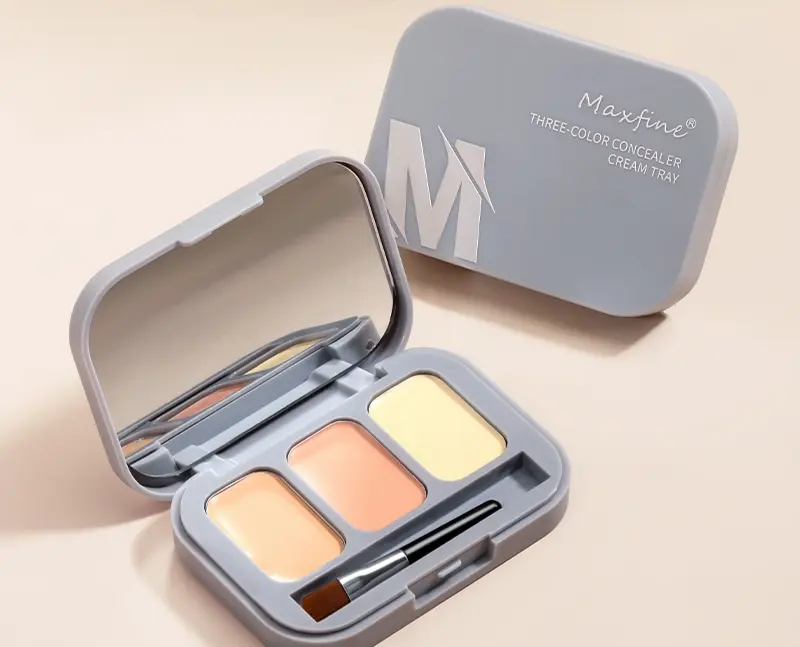
L&J Cosmetics describes its Maxfine three-color concealer palette as natural, soft pink, and bright-skin tones designed for free mixing. It has a creamy, silky, moisturizing, extensible texture, a 1.4 g by 3 pan arrangement, and use cases around dark circles, redness, blemishes, and contouring. Those facts make it a good example of how a palette can give a buyer flexible correction and adjustment inside one component. They do not mean that every customer needs three colors or that mixing removes the need for a well-planned skin-tone range.
Separate Correction From Coverage
A correction shade is chosen to alter the appearance of a specific concern before or alongside a skin-tone shade. A coverage shade is expected to blend into the surrounding complexion. These two tasks need different sample questions. For correction, test whether the shade can be applied precisely and softened at the edge. For coverage, test whether the shade blends into the intended foundation after it sets. A palette can keep those tasks together; a liquid line can keep the purchase path simpler. The brief should state which job matters first.
When A Concealer Palette Creates More Value
A makeup palette is useful when the brand expects color adjustment to be part of the user experience. The three-pan approach gives room for a natural shade, a brightening shade, and a soft-pink direction that can be blended where needed. It also suits a travel kit, a pro-inspired collection, or a customer who wants one compact for more than one facial zone. Mixing can help a user fine-tune a result between fixed shades, which may keep the range more compact at launch.
The specific three-color concealer route gives a relevant product-page destination for that approach. The project material describes a creamy texture that becomes more nourishing when swirled and can be applied with a hand or concealer brush before the edges are blended with a small puff. That makes the user method part of palette approval. A pan should not be judged only by finger swatch; buyers should test pickup, warm-up, brush control, mixability, and the way the finished blend sits over the intended foundation.
There are limits. A small pan can become messy if the colors are too soft, too similar, or difficult to pick up separately. The palette has to show why each color exists. Avoid adding a third or fourth shade merely to make the component look generous. A compact assortment works best when each pan has a distinct role and the outside pack makes that role easy to follow.
When Liquid Concealer Is The Better Range Tool
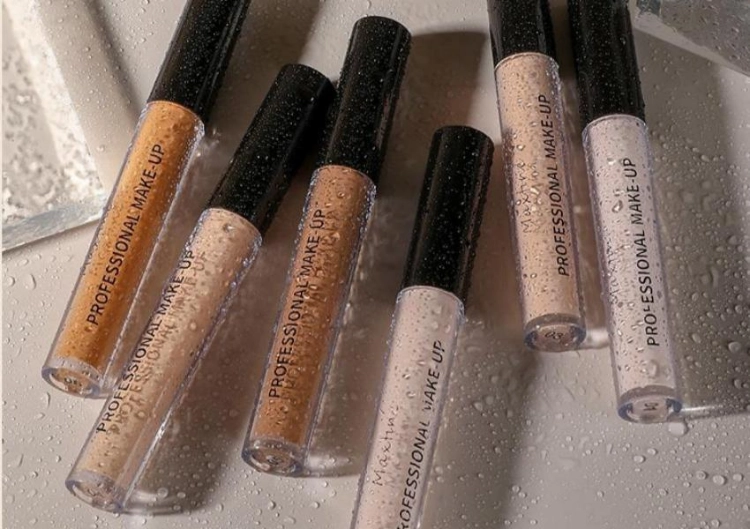
Liquid concealer is usually easier to position as a familiar daily product. A consumer can choose a skin-tone match, a brightening option, or a deeper contour shade without learning how to mix pans. It can also make it easier for a brand to extend a complexion range over time: add shades around proven undertones rather than redesigning the full palette. That approach is often stronger when the main goal is repeat purchase of one personal match.
A full-cover liquid concealer belongs in a sample plan that checks coverage, dry-down, applicator pickup, and blend time. The project knowledge base describes face makeup as including foundation, concealer, and powder, with concealers covering blemishes while powder products set the base. A liquid therefore needs to be reviewed over the intended foundation and under the intended powder. A shade can look right directly from the applicator but change when it dries or when a setting product is pressed over it.
Define The Approved Shade Ladder
Build Liquids Around Undertone Families
Instead of launching many near-duplicate beige shades, group liquid concealer around undertone families and depth steps that can be explained clearly. The exact number depends on the launch market, foundation partner range, target coverage, and budget. It should come from samples on relevant users or controlled evaluation panels, not from a generic rule that every brand needs the same number of shades. Ask the supplier to show the selected shades side by side after dry-down, alongside the foundation shades they are expected to accompany.
Finish also matters. A matte liquid face concealer is a relevant direction where a brand wants a less shiny base story, but a matte label does not settle shade architecture or guarantee compatibility. Assess whether it clings to dry under-eye areas, whether it layers over a richer foundation, or how it handles a light powder set. A liquid that works for spot coverage may need different shade spacing and user instructions from one positioned mainly for brightening.
Test Packaging And Sampling With The Formula
Pallet and liquid formats create different packaging risks. For a palette, inspect pan fill, surface finish, color separation, hinge action, mirror or applicator choices, and whether the pack protects a cream formula from drying or mess. For a liquid, check wiper performance, applicator loading, leakage, closure fit, first-use behavior, and the ability to dispense a controlled amount. L&J Cosmetics’ OEM process includes formula, shade, packaging, printing, and sample confirmation, with packaging material samples tested before mass production where component quality may affect the finished product.
That is why a final decision should not be made from a laboratory beaker or a bare pan alone. Review the final concealer in its intended compact or tube, then repeat the application test after storage conditions appropriate to the project. Record color, odor, texture, pickup, dispensing, and visible separation or surface change. Do not claim a universal wear time, waterproof result, or all-skin-type performance unless the brand has substantiation that supports it.
Turn The Choice Into A Clear Launch Brief
A palette strategy is often strongest when correction, mixing, and a compact multi-task product are central to the collection. A liquid strategy is often strongest when a shopper needs a familiar match, easy shade selection, and a scalable complexion ladder. Some lines can use both formats, but they should have different roles instead of competing for the same customer with the same color story.
Más adelante en el proyecto, L&J doosmética can support OEM/ODM discussions around concealer formula, color selection, component direction, printing, and sample confirmation. The best buyer brief defines the coverage job, undertone families, correction needs, foundation partner shades, packaging format, and approval method. That gives the supplier a usable starting point and gives the brand a cleaner path to a range that customers can actually choose from.
Preguntas frecuentes
Q1: Is a concealer palette always cheaper than a liquid concealer range?
A1: Not necessarily. A palette can reduce the number of separate shades at launch, but its component, pan filling, and user experience need their own review. The cost decision should be based on the final formula and packaging proposal.
Q2: Which format is better for color correction?
A2: A palette can be practical because it keeps correction and skin-tone directions together. A liquid can also work when a brand wants dedicated correction products. The choice depends on the customer routine and collection role.
Q3: How should liquid concealer shades be sampled?
A3: Compare selected depth and undertone families after dry-down, over the intended foundation, and under the intended setting product. Record the method and lighting used for every comparison.
Q4: What should be checked in a cream concealer palette?
A4: Check pan pickup, mixability, precise placement, texture after storage, separation between colors, compact function, and whether the formula stays clean and usable through normal application.
Q5: Can a brand launch both a palette and liquid concealer?
A5: Yes, when each has a clear role. For example, a palette can support correction and mixing while liquids serve simple daily shade matching. Avoid making them duplicate the same purchase decision.