
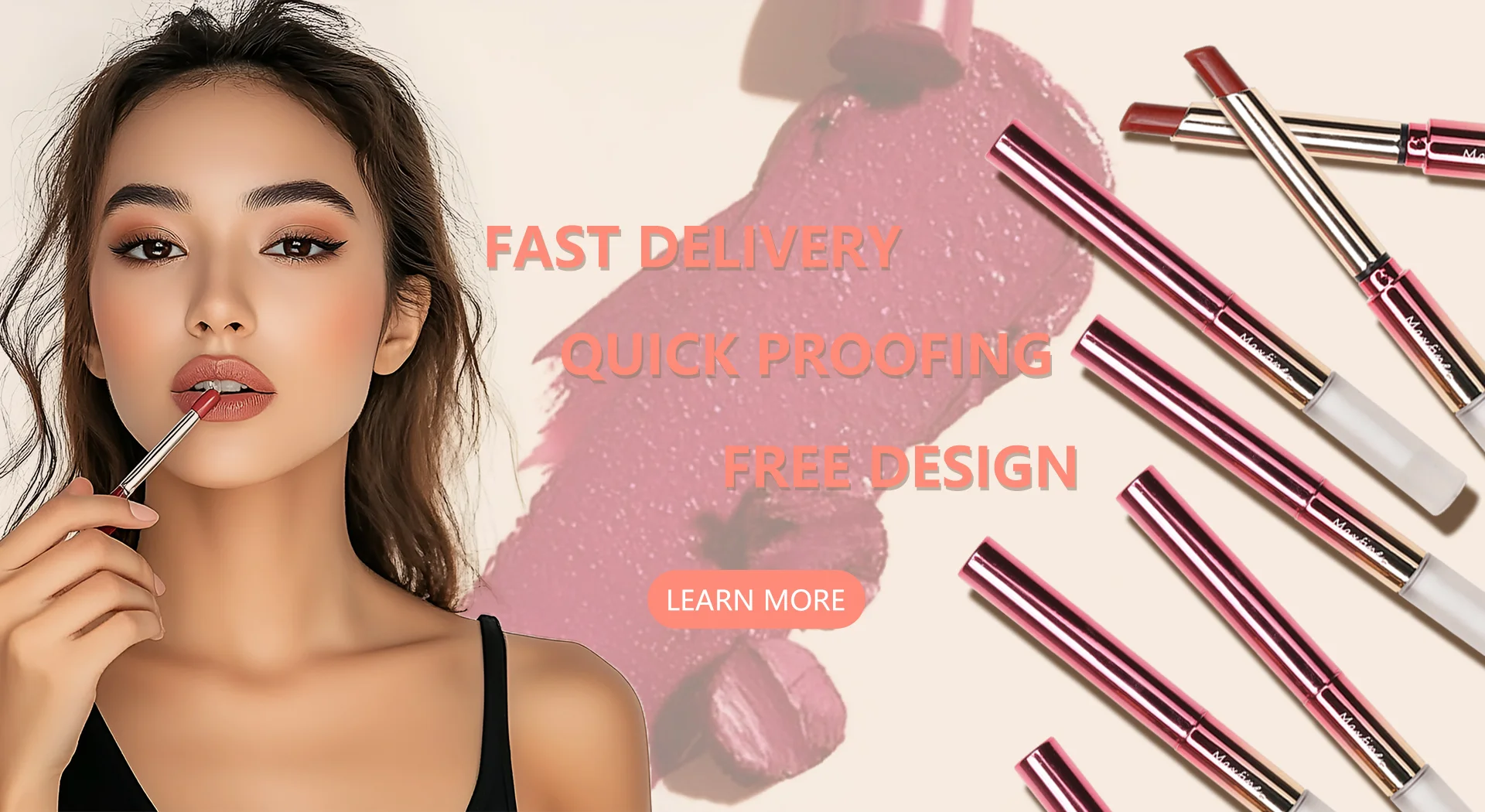
Guía de maquillaje con base líquida para piel grasa: Cómo lograr una cobertura difuminada y sin brillos en 2026
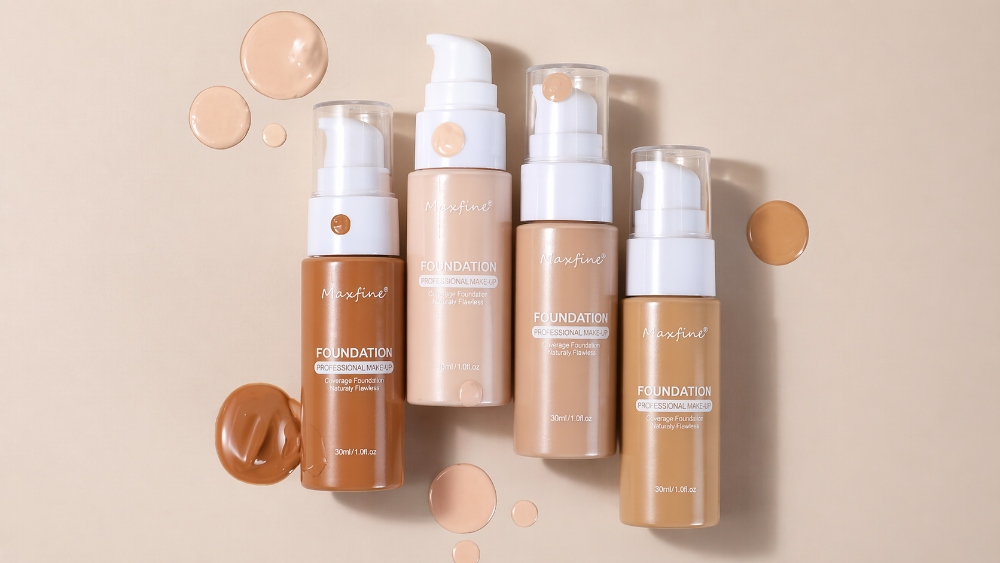
Una de las tendencias más claras para 2026 es un rostro mate, plano y denso. Se trata de una tez más suave y refinada, a medio camino entre la piel mate tradicional y la brillante: difuminada, transpirable y lo suficientemente pulida para el uso diario, la fotografía y largas jornadas laborales. Este cambio explica por qué la base de maquillaje líquida para piel grasa ahora debe hacer más que simplemente ocultar el brillo. Debe controlar la grasa, suavizar la textura visible y mantener el rostro con un aspecto fresco en lugar de recargado. En términos prácticos, el mejor resultado es un maquillaje difuminado con una cobertura sin brillos, no una máscara seca.
¿Por qué la piel grasa necesita una estrategia de base diferente en 2026?
La piel grasa rara vez falla por falta de cobertura. Falla porque la base comienza bien y luego se separa en el centro del rostro, se cuartea alrededor de los poros o se ve irregular después de varias horas. Por eso, una buena base para piel grasa debe resistir el paso del tiempo, no solo causar una buena primera impresión.
En 2026, esto cobra aún más importancia. La piel de ensueño y otras tendencias de acabado difuminado favorecen una tez que luce retocada pero con vitalidad. Una base demasiado seca puede agrietarse o adherirse. Una base demasiado emoliente puede deslizarse. El equilibrio perfecto reside en una base mate suave que se mantiene flexible y, a la vez, intacta ante el calor, la humedad, el sebo y el movimiento diario.
Aquí es donde la base de maquillaje líquida sigue teniendo una clara ventaja sobre muchos productos para pieles claras. Ofrece mayor control sobre el acabado, la cobertura y la duración. Para las pieles grasas, ese control adicional suele marcar la diferencia entre una base que dura y una que se desvanece a mediodía. Las recomendaciones del sector sobre bases de maquillaje líquidas también respaldan las mismas prioridades: textura ligera, corrección uniforme del tono, durabilidad, comodidad y versatilidad de tonos.
¿Qué beneficios debe aportar una buena base de maquillaje líquida a la piel grasa?
Mantén una textura ligera a la vez que proporcionas cobertura.
La piel grasa suele responder mejor a una base que se pueda aplicar en capas finas. Una primera capa gruesa a menudo luce bien durante diez minutos, pero luego se nota más a medida que el sebo sube a la zona T. La base de maquillaje líquida funciona mejor cuando se extiende uniformemente, se adhiere bien y deja el rostro con un aspecto liso sin sensación de pesadez.
Ayuda a que la película permanezca intacta
La duración no depende únicamente del pigmento, sino también de cómo se asienta la fórmula en la piel. En las bases de maquillaje de larga duración, la tecnología filmógena desempeña un papel fundamental, ya que ayuda a que la base resista el sudor, la fricción y la migración. Los sistemas de ingredientes como el trimetilsiloxisilicato son muy valorados en el maquillaje de base moderno porque mejoran la adherencia, la durabilidad y la resistencia al aceite y al agua, a la vez que proporcionan un acabado más elegante que los productos mate más antiguos y densos.
Evite la falsa dicotomía entre control de aceite y confort.
Muchas personas con piel grasa necesitan hidratación en la fórmula o durante la preparación. Si la piel se reseca demasiado al principio, el resultado puede ser una textura áspera, una aplicación irregular o un acabado desigual. La presencia de humectantes también es importante en la base de maquillaje. El ácido hialurónico, por ejemplo, se usa comúnmente en bases líquidas porque ayuda a mantener la hidratación en la superficie de la piel y reduce el riesgo de un acabado seco y acartonado.
Por qué la base de maquillaje líquida sigue teniendo sentido en un mercado impulsado por las tendencias.
Existe una razón por la que las bases de maquillaje líquidas siguen siendo tendencia, incluso cuando las bases con color, las bases en formato cushion y los productos híbridos para el cutis ganan popularidad. Sigue siendo uno de los formatos más versátiles de la categoría. Una marca puede ajustar la textura, la cobertura, la duración, la gama de tonos y el acabado con mucha más precisión que en muchos formatos compactos o ultraligeros.
Para las pieles grasas, esa flexibilidad es fundamental. Una base de maquillaje líquida de alta cobertura puede controlar el brillo sin sacrificar un acabado moderno. Precisamente por eso, el efecto "cloud skin" ha despertado un nuevo interés en las bases líquidas, en lugar de sustituirlas. La tendencia actual no rechaza la cobertura, sino la rigidez.
Dentro de nuestra gama de rostros, Control de aceite de base líquida Se ajusta perfectamente a esa lógica de mercado. En la documentación del producto, este SKU aparece como CE-FDY-01, en formato de 18 g con una gama de tonos específica. Este tipo de gama de tonos puede ser ideal para marcas que prueban una línea para piel grasa, un lanzamiento regional o un surtido inicial específico antes de ampliar la gama de tonos.
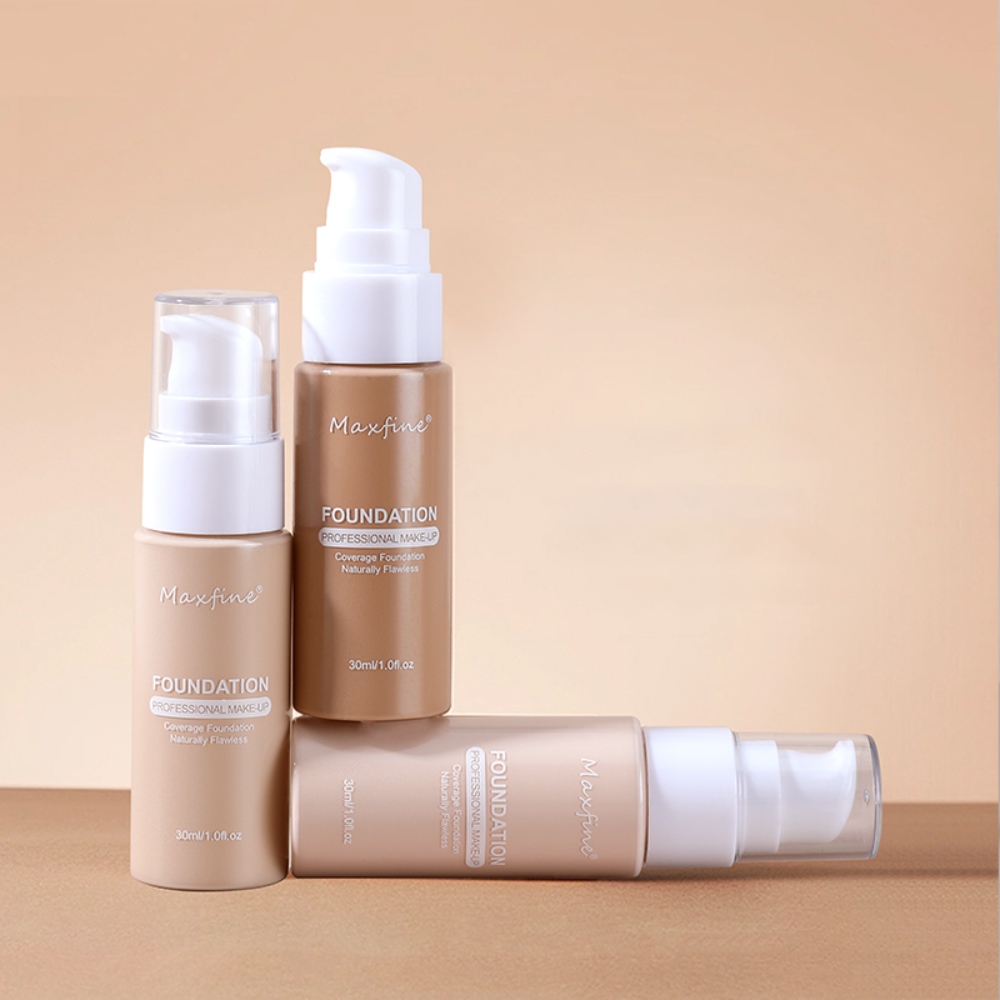
La preparación es tan importante como la fórmula.
Una buena base comienza antes de que la base de maquillaje toque la piel. La piel grasa generalmente se beneficia de productos de cuidado facial más ligeros, un tiempo de aplicación preciso entre capas y una estrategia de prebase que se centre en las zonas problemáticas específicas en lugar de cubrir todo el rostro con una capa pesada innecesaria.
Las recomendaciones del sector sobre prebases son consistentes en este aspecto. Las prebases para controlar la grasa mejoran la adherencia, reducen la textura visible y prolongan la duración de la base, mientras que las prebases con menor contenido de agua suelen funcionar mejor en pieles grasas o mixtas, ya que reducen las irregularidades en el maquillaje a lo largo del día.
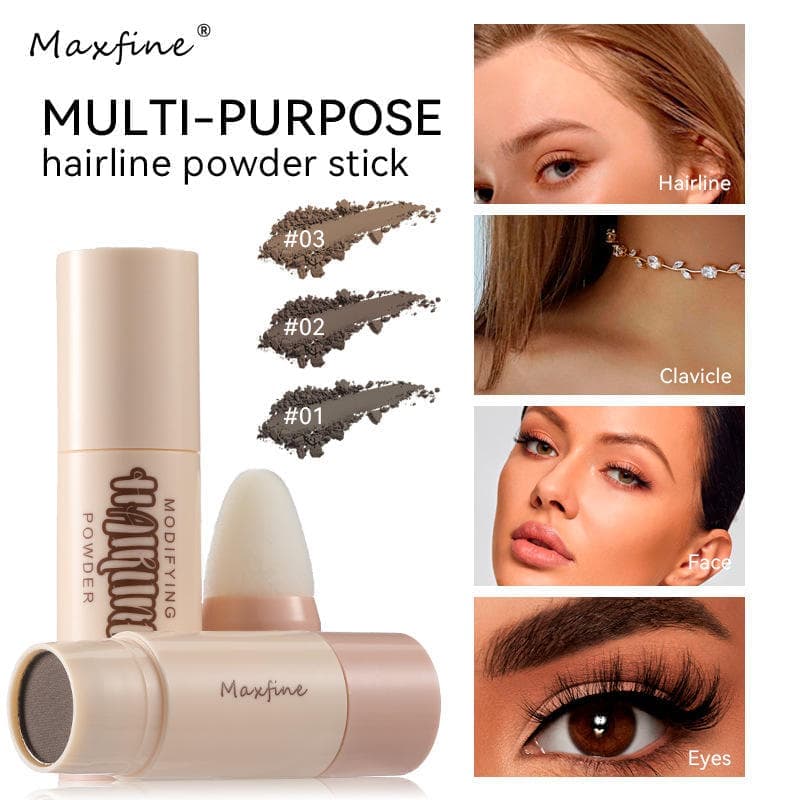
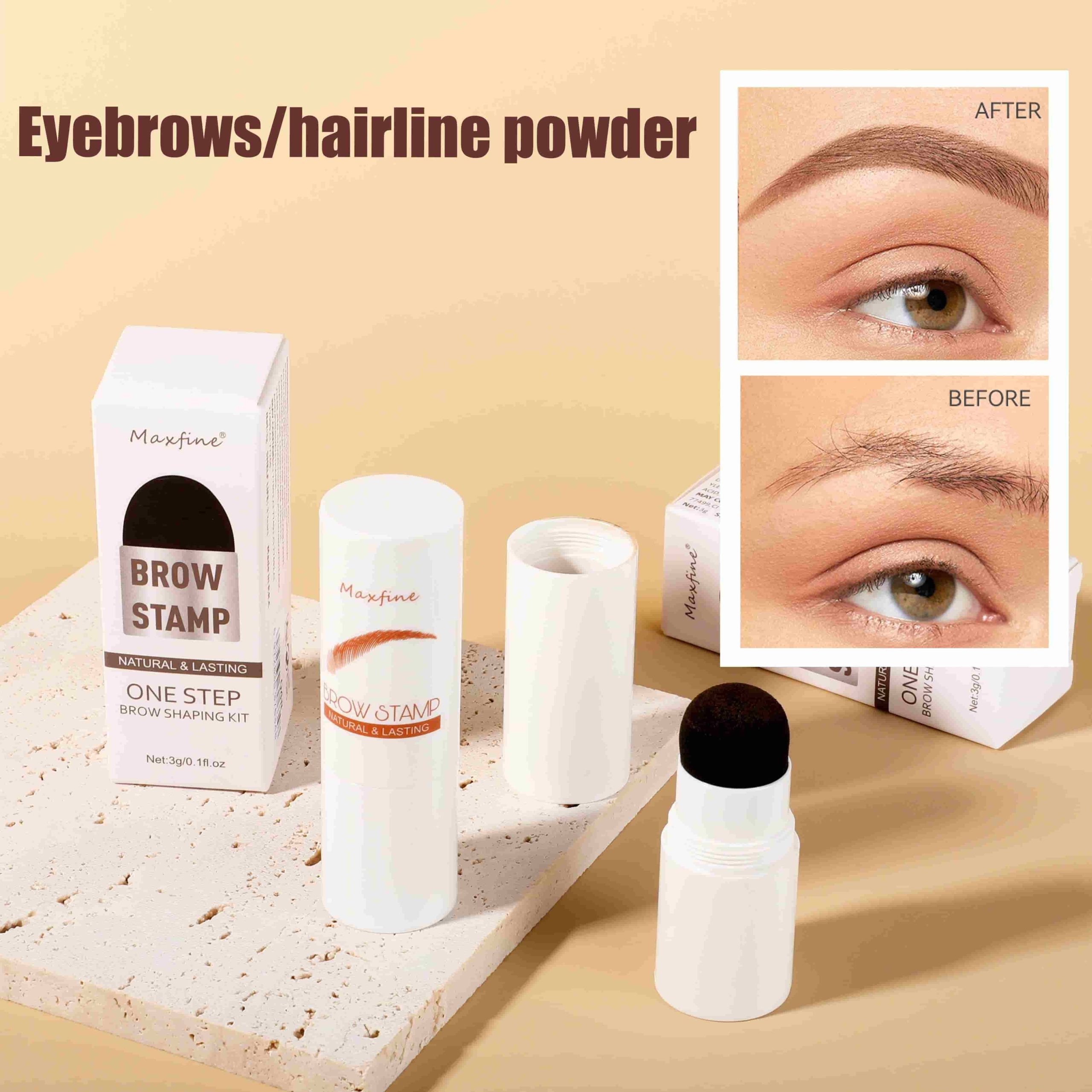
Aquí es donde una línea facial completa resulta útil. En los materiales de L&J que se han subido, la gama facial incluye la prebase hidratante con protector solar, la prebase hidratante y blanqueadora, y la prebase tonificante Maxfine para una piel uniforme, además de la base de maquillaje. Para una rutina práctica para piel grasa, el mejor método rara vez es "usar el producto matificante más potente en todo el rostro". Un enfoque más eficaz es suavizar y controlar primero la zona T, y luego mantener el contorno más claro para que el rostro no pierda dimensión.
La aplicación es donde se gana o se pierde una cobertura sin brillos.
La aplicación debe seguir la misma lógica que la selección de fórmulas: controlada, por capas y localizada.
Comienza por el centro del rostro, donde suelen aparecer primero el enrojecimiento, los poros y el exceso de grasa. Aplica una capa fina y solo intensifica el producto donde sea necesario. Esto mantiene el acabado más cerca de la piel y reduce el riesgo de que se acumule en la nariz, la barbilla y la parte interna de las mejillas. El objetivo no es aplicar la mayor cantidad de producto posible, sino una aplicación estratégica.
Tras difuminar, aplica solo el producto en las zonas que necesiten mayor fijación. Muchas personas con piel grasa siguen aplicando demasiado polvo en todo el rostro. Esto puede aplanar la tez rápidamente y, posteriormente, crear un aspecto apagado y congestionado una vez que la piel vuelve a producir sebo. Un enfoque más equilibrado consiste en fijar primero la frente, la nariz y la barbilla, dejando el resto del rostro con un aspecto más natural. Si necesitas retoques más adelante, retira el exceso de producto con un pañuelo de papel antes de aplicarlo. Esta es una de las maneras más sencillas de evitar que la base líquida se vea pesada después de varias horas.
Base de maquillaje líquida vs. base de maquillaje mineral
Esta comparación es importante porque el maquillaje mineral sigue siendo atractivo para quienes buscan una sensación más ligera, rutinas más cortas o un acabado más limpio con predominio de polvos. En el caso adecuado, el maquillaje mineral puede ser una buena opción. Resulta especialmente útil cuando se busca una aplicación rápida y una corrección sutil, en lugar de un acabado más perfecto.
Sin embargo, para pieles grasas, el maquillaje mineral y la base líquida no solucionan el mismo problema de la misma manera. El maquillaje mineral puede reducir el brillo superficial, pero la base líquida suele ofrecer un mejor control de la adherencia, flexibilidad y cobertura modulable. Además, tiende a crear un aspecto más uniforme y difuminado cuando se busca un acabado suave y natural en lugar de un efecto empolvado.
Por eso, el maquillaje mineral suele funcionar mejor como complemento, no como sustituto directo. Para una marca o comprador que busca la tendencia de tez suave y natural de 2026, la base de maquillaje líquida generalmente ofrece más margen para lograr el equilibrio perfecto entre control de brillo, calidad de acabado y comodidad.
Los colores de maquillaje para piel morena no deben separarse de las decisiones básicas.
La elección del tono no termina cuando la base coincide con el contorno de la mandíbula. Termina cuando todo el rostro luce armonioso. Por eso, los colores de maquillaje para piel morena deben considerarse junto con la base, no después.
La piel morena suele reaccionar mal a los extremos. Si el producto de maquillaje es demasiado rosado, el rostro puede verse apagado. Si es demasiado amarillo o naranja, el resultado puede verse menos natural cuando la grasa sube y la base se calienta en la piel. Por eso, los colores de maquillaje para piel morena son un tema de búsqueda tan importante en el contenido básico. La base y la paleta de colores deben complementarse.
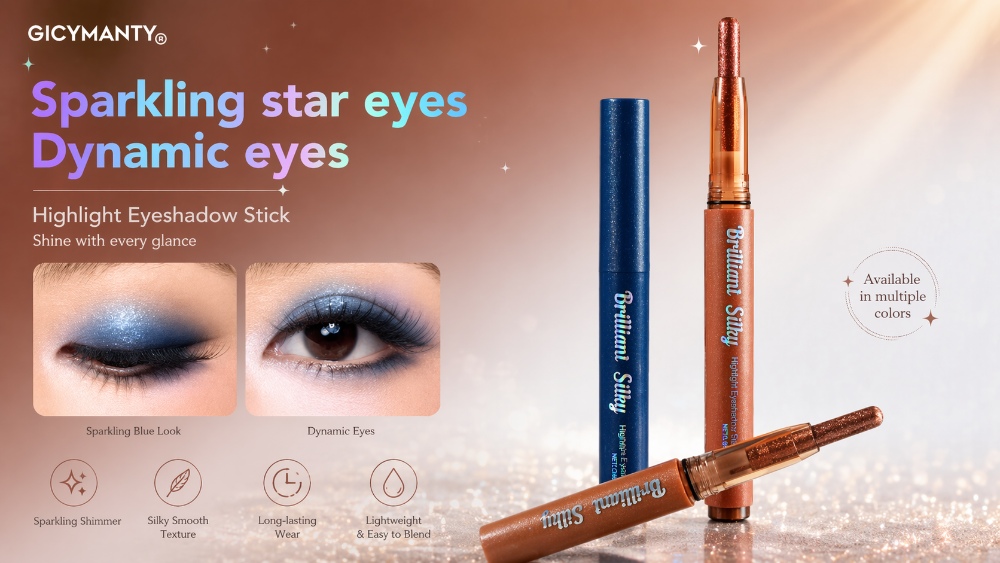
Por esta razón, los tonos terracota suaves, melocotón apagado, rosa empolvado, malva equilibrado, marrones oliva y acentos bronceados neutros tienden a funcionar mejor que las combinaciones muy frías o demasiado neón. Cuando la base está difuminada y el brillo controlado, los colores de apoyo deben continuar con esa lógica visual. Este también es un buen momento para ir más allá de la base y coordinar el resto del rostro con una gama más amplia. producto labial selección para que el resultado final parezca intencional en lugar de una mezcla de acabados no relacionados.
Para las marcas que crean contenido o productos centrados en tonos de maquillaje para pieles morenas, este enfoque también resulta comercialmente útil. Amplía la conversación, pasando de "encontrar la base de maquillaje adecuada" a "crear el acabado y el tono perfectos", lo cual se acerca más a la forma en que los compradores realmente realizan sus compras.
Por qué esto es importante para las marcas, no solo para los usuarios finales.
Un buen artículo sobre piel grasa debería ayudar a la lectora a maquillarse mejor, pero también debería reflejar cómo se está desarrollando esta categoría. Los mejores productos para el cutis se encuentran ahora en la confluencia de las tendencias, la disciplina en la formulación y la compatibilidad con la rutina diaria.
Es por eso que L& J Cosméticos Este tema debe abordarse con mesura, en lugar de incluir una extensa sección de ventas. La clave es simple: desarrollamos productos para rostro, labios, ojos, cejas, uñas y limpiadores, lo que facilita la creación de una gama coherente en lugar de un único producto aislado. Para el desarrollo de bases para piel grasa, esto es importante, ya que la prebase, la base de maquillaje, la fijación y el acabado del labial suelen considerarse en conjunto.
Conclusión
En 2026, la mejor base para piel grasa no es la fórmula mate más densa del mercado. Es aquella que proporciona un brillo controlado, una aplicación flexible y una superficie refinada que aún luce natural. Por eso, las bases líquidas siguen siendo imprescindibles, continúan siendo clave en las tendencias de bases de enfoque suave y, por lo general, las bases minerales deben considerarse una alternativa independiente, no un sustituto directo.
Para las marcas o compradores que trabajan en este espacio, la verdadera oportunidad es clara: crear una base de maquillaje líquida que respete tanto el rendimiento como el acabado. Una base bien posicionada para piel grasa debe controlar el exceso de grasa, mantener la claridad y dejar espacio para que el resto del rostro funcione en equilibrio. Si esa es la dirección que está desarrollando, Contacta con nosotros para analizar el siguiente paso en un informe de producto más específico.
Preguntas frecuentes
P: ¿Qué hace que la base de maquillaje líquida sea más adecuada para pieles grasas que muchos productos de base más ligeros?
R: Generalmente ofrece un mejor control del acabado, la cobertura y la duración. Esto brinda a los formuladores y usuarios más margen para equilibrar el control de la grasa con un resultado de superficie más suave.
P: ¿Puede la base de maquillaje líquida lucir natural en pieles grasas?
R: Sí. La clave está en una primera capa fina, una aplicación precisa y un secado selectivo. El acabado resulta más natural cuando el producto se aplica solo donde es necesario.
P: ¿El maquillaje a base de minerales es una opción menos recomendable para pieles grasas?
R: No necesariamente. El maquillaje a base de minerales puede funcionar bien para una corrección ligera y una aplicación rápida. Simplemente es una alternativa diferente a una base líquida más sofisticada y de efecto difuminador.
P: ¿Por qué son relevantes los colores de maquillaje para piel morena en un artículo sobre bases de maquillaje?
R: Porque el tono base y el tono de color trabajan juntos. Los colores de maquillaje para piel morena pueden cambiar la naturalidad del rostro, especialmente cuando la base se calienta con el uso.
P: ¿Cuál es el mayor error que cometen las personas con piel grasa al usar bases de maquillaje líquidas?
A: A menudo, consideran que controlar el exceso de grasa justifica usar demasiado polvo o demasiado producto. En la mayoría de los casos, la aplicación controlada de capas y la configuración localizada producen un resultado más limpio.