
La máscara de pestañas azul es tendencia: cómo las marcas de belleza pueden convertir un color viral en una gama de productos comercializable.
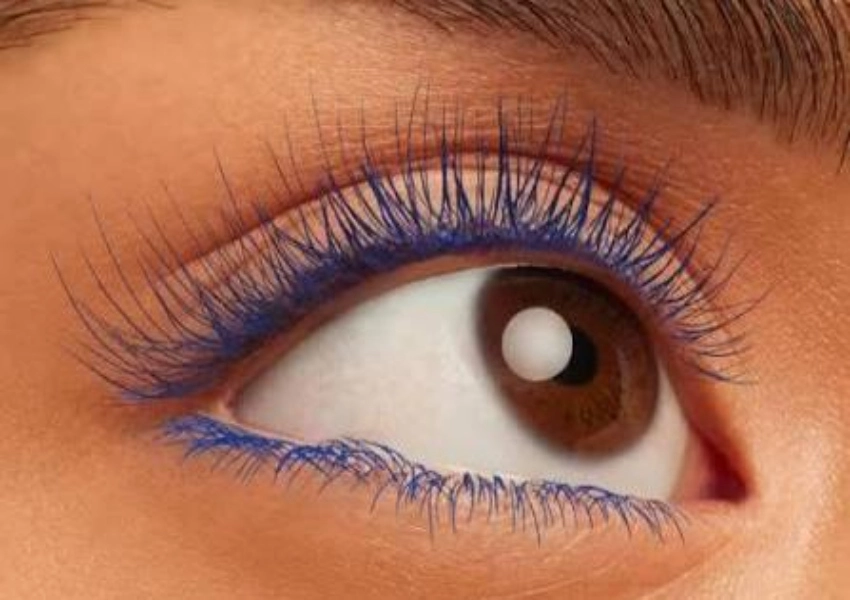
La máscara de pestañas azul ha pasado de ser un detalle de pasarela a un término de búsqueda en el mercado minorista porque ofrece a las compradoras un cambio visible sin que tengan que cambiar por completo su rutina. Ilumina la zona de los ojos, luce bien en primeros planos y sigue perteneciendo a una categoría familiar de uso diario. Para las marcas de belleza, la oportunidad no reside en lanzar un solo tubo llamativo y esperar que la tendencia perdure. Una gama vendible requiere coherencia en el tono, una aplicación lógica, resistencia al agua y un envase que transmita intencionalidad en el punto de venta. La propuesta más sólida para la máscara de pestañas azul trata el color como un sistema: azul marino suave para el uso diario, cobalto más brillante para redes sociales y azul oscuro casi negro para las clientas que buscan un primer paso más seguro.
Por qué la máscara de pestañas azul funciona más allá del momento viral
Existe una percepción establecida sobre la función de la máscara de pestañas. Cubre las pestañas, les añade longitud o volumen, mantiene su curvatura y abre la mirada. La máscara de pestañas azul cambia el "ambiente" del maquillaje sin dejar de ser fácil de usar. La clave para los minoristas es que el cliente que pueda dudar en probar el delineador o la sombra de ojos azules, aun así probará la máscara de pestañas de color si el cepillo, la descripción y la aplicación le resultan lo suficientemente familiares. categoría de máscara de pestañas Es el punto de partida práctico para la mayoría de las marcas. La máscara de pestañas de color no es simplemente pigmento suelto añadido a una fórmula de máscara negra. Requiere la misma estructura que una máscara de uso diario: una separación impecable, un secado rápido, resistencia a las manchas y un cepillo que llegue al lagrimal sin depositar demasiado color. El tono atractivo llama la atención, pero la duración es lo que garantiza la recompra.
Elige primero los tonos azules que se pueden usar.
Una gama de máscaras de pestañas azules debería comenzar con las ocasiones de uso, no solo con una carta de colores. El azul marino puede combinar con el negro y ser adecuado para el maquillaje de oficina. El azul rey crea una línea de pestañas más brillante para quienes siguen las tendencias. El azul baya o el azul violeta pueden suavizar el efecto en tonos de piel cálidos. Las máscaras de pestañas de L&J Cosmetics pueden ir más allá del negro y el marrón, ofreciendo opciones en azul, morado, blanco, rosa y baya, por lo que un proyecto de máscara de pestañas de marca propia puede crear una gama de colores en lugar de depender de un solo tono arriesgado.
Crea la fórmula en torno al rendimiento de las pestañas.
El color nunca debe anular la promesa de un buen rendimiento. Los sistemas de máscara de pestañas utilizan polímeros que crean una capa flexible sobre las pestañas. Las versiones resistentes al agua necesitan una película que resista el sudor y el agua, mientras que las ceras y los materiales de silicona ayudan a cubrir la superficie de las pestañas. En el caso de una fórmula azul, la película también debe retener el pigmento de manera uniforme. Una mala dispersión hace que el color se vea irregular en las puntas de las pestañas, especialmente bajo la luz brillante del exterior.
Una buena máscara de pestañas de marca blanca debe indicar claramente el acabado: un tono suave y natural, un color definido o un efecto dramático digno de revista. Las fórmulas voluminizadoras suelen necesitar más estructura, y una aplicación excesiva puede resultar pesada o formar grumos. Las fórmulas alargadoras pueden contener fibras o polímeros adhesivos, pero las fibras azules pueden verse mal si se desprenden. Una muestra equilibrada debe mostrar color desde la raíz hasta las puntas, manteniendo la línea de las pestañas limpia.
Prueba el secado antes de aprobar el color.
El tono azul cambia a medida que la fórmula se seca. Algunos tonos se ven brillantes cuando están húmedos, pero se atenúan al secarse. Otros lucen atractivos sobre una tarjeta blanca, pero demasiado pálidos en pestañas oscuras. Se recomienda comprobar el color recién aplicado, su secado a los cinco minutos, su duración tras varias horas y su facilidad de desmaquillado. Un tono que se ve intenso en la muestra puede ser el menos efectivo en el ojo si no cubre el color natural de las pestañas.
Combina cada tono con la brocha adecuada.
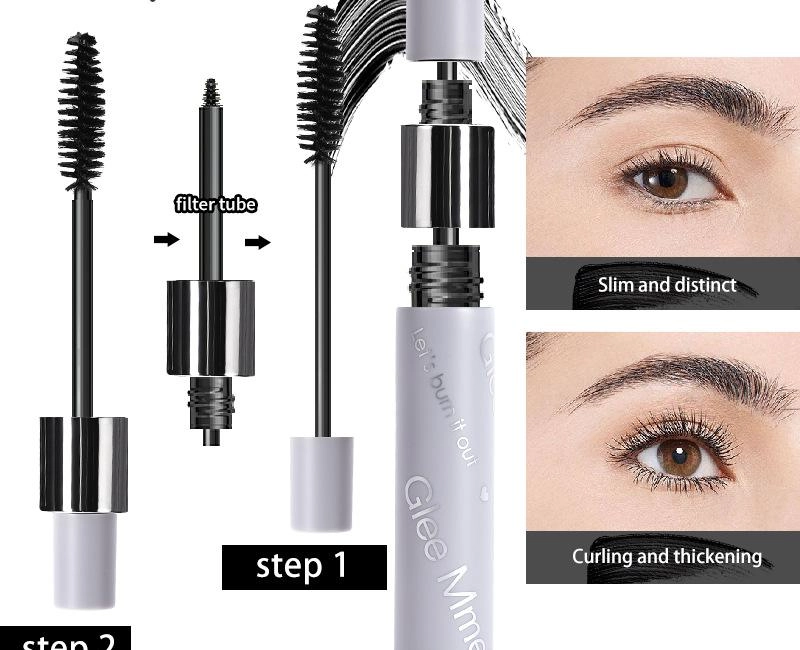
El diseño del cepillo juega un papel más importante en la máscara de pestañas de color de lo que muchas marcas creen. Un cepillo curvo favorece la curvatura natural y es ideal para pestañas cortas. Un cepillo en peine ayuda a separarlas y alargarlas. Un cepillo cónico aporta volumen a las pestañas escasas, y un mini cepillo facilita el acceso a las pestañas inferiores y las comisuras de los ojos. Estas elecciones influyen en la visibilidad del color azul. Demasiado producto cerca de la línea de las pestañas inferiores puede dar un aspecto desordenado, mientras que muy poco en las pestañas superiores dificulta que el color se note.
Para una gama de azules limpios, una marca podría combinar un azul marino suave con una brocha separadora y un azul cobalto brillante con una brocha para dar más volumen. máscara de pestañas con cepillo de fibraLa dirección de esta máscara se adapta a una historia de longitud y definición, mientras que un diseño que prioriza el volumen puede satisfacer a las clientas que desean que el color se vea en las fotos. L&J Cosmetics ofrece máscaras de doble punta, una para dar volumen y otra para alargar o rizar las pestañas, lo que puede convertir un tono de moda en un producto para ojos más completo.
No dejes que el color oculte la formación de grumos.
El azul oscuro puede disimular pequeñas irregularidades, pero el azul brillante las resalta. La primera ronda de control de calidad debe incluir fotos de primer plano de las pestañas, la aplicación en las pestañas inferiores, el comportamiento de la segunda capa y la comprobación del paso del producto por el cepillo. El fabricante de máscara de pestañas también debe comprobar si el pigmento se deposita dentro del tubo y si el aplicador mantiene limpio el cepillo tras un uso repetido.
Planifica la gama de productos como un comprador minorista.
Un único tono azul puede funcionar como una edición limitada. Una gama para el mercado minorista requiere una segmentación más clara. Un plan práctico de tres referencias es azul-negro para una aceptación masiva, azul marino para el uso diario y cobalto para compradores que buscan contenido. Otro plan consiste en dos tonos azules más uno morado o baya. Dado que L&J Cosmetics incluye opciones de color de máscara de pestañas como negro, marrón, baya, rosa, azul, morado y blanco en diferentes productos, las marcas blancas pueden elegir una familia de tendencias que parezca cuidadosamente seleccionada en lugar de aleatoria.
El 2 en 1 máscara de pestañas de fibra de doble propósito El formato es útil cuando una marca quiere vender tanto funcionalidad como color. Un concepto de doble punta permite separar un lado para alargar de otro para dar volumen o rizar, ofreciendo al comprador una razón más convincente que la simple novedad. El tamaño y el peso del producto también son importantes. L&J Cosmetics ofrece una máscara de pestañas de doble cabezal de 6 g x 2, una máscara para alargar de 8 g y una máscara para dar volumen de 10 g, lo que permite a los compradores posicionar sets de viaje, de línea regular o económicos.
El empaque debe hacer que el color sea fácil de confiar.
El envase azul de la máscara de pestañas debe permitir leer el tono fácilmente sin que el producto parezca un disfraz. La denominación clara del tono ayuda: azul marino, azul cobalto, negro vaquero o ciruela azul dan a los compradores una idea de la intensidad. El tubo puede llevar una banda de color, un detalle en la tapa o una muestra del envase exterior, pero el componente debe seguir protegiendo la fórmula. La entrada de aire, el ajuste de la tapa, la tolerancia del aplicador y la posibilidad de abrirlo repetidamente son factores importantes a la hora de decidir la compra.
A fabricante de máscara Contar con soporte OEM/ODM puede ayudar a convertir el concepto de color en muestras, opciones de empaque y controles de producción a granel. L& J Cosméticos Fundada en 2009, cuenta con más de 150 empleados y opera desde una planta de producción de más de 20 000 metros cuadrados. Estos datos son cruciales cuando se necesita una rápida distribución de muestras para un producto de moda, pero que a la vez debe cumplir con las expectativas de uso diario, y no solo lucir bien en la foto de lanzamiento.
Preguntas sobre el muestreo antes de la producción en masa
Antes de realizar un pedido de rímel azul al por mayor, es recomendable solicitar las siguientes fotos de pestañas: en general, en pestañas oscuras, en pestañas claras, prueba de resistencia al agua, prueba de manchas, cómo se asienta el pigmento azul en el tubo, cómo el cepillo recoge las pestañas y, finalmente, cómo se retira el rímel de color. Un rímel de color debe superar dos juicios diferentes por parte de las compradoras: les debe gustar el color y también la sensación que deja en sus pestañas.
También ayuda aprobar la historia de venta desde el principio. ¿Es el tono un artículo para festivales, un iluminador de ojos para el verano, un azul marino apropiado para la escuela o un detalle para un set de regalo? La respuesta influye en la intensidad de la fórmula, el estilo del cepillo, el diseño de la caja y la planificación del pedido mínimo. Una tendencia de rímel azul puede desvanecerse si se trata como un solo producto novedoso. Tiene más posibilidades de éxito cuando la gama ofrece a los clientes un primer tono, un tono llamativo y un motivo para volver.
Preguntas frecuentes
P1: ¿Qué tono de máscara de pestañas azul es el más fácil de vender?
A1: El azul marino o el negro azulado suelen ser los tonos más seguros para empezar, ya que se asemejan al negro de la máscara de pestañas a la vez que aportan un toque de frescura visible. El azul cobalto más brillante funciona mejor como un producto llamativo o una pieza de temporada.
P2: ¿Se puede usar la misma base para la máscara de pestañas azul que para la máscara de pestañas negra?
A2: A veces, pero es necesario volver a probar el comportamiento del pigmento, la cobertura sobre pestañas oscuras, el tono final y la deposición del producto en el pincel. Una fórmula negra no puede simplemente cambiar de color y aprobarse sin realizar pruebas en gafas.
P3: ¿Qué brocha funciona mejor para la máscara de pestañas de color?
A3: Depende del tono. Los cepillos de peine y de fibras favorecen una definición precisa, mientras que los cepillos más tupidos hacen que los colores más brillantes sean más visibles. Se recomienda probar el producto por separado en las pestañas inferiores.
P4: ¿Debería una marca lanzar una sola máscara de pestañas azul o toda una gama?
A4: Un solo tono es suficiente para una gama limitada. Para los estantes de venta al público, dos o tres tonos con diferentes niveles de intensidad suelen facilitar la compra y reducir el riesgo de color.
P5: ¿Qué deben confirmar las marcas blancas con L&J Cosmetics antes de realizar el muestreo?
A5: Los compradores deben confirmar el tono azul deseado, el tipo de pincel, el nivel de impermeabilidad, el peso del relleno, la dirección del embalaje, el cronograma de muestras y la tolerancia de color a granel antes de comenzar el desarrollo.