
Lipstick vs Lip Gloss: Which is Best for Your Beauty Brand
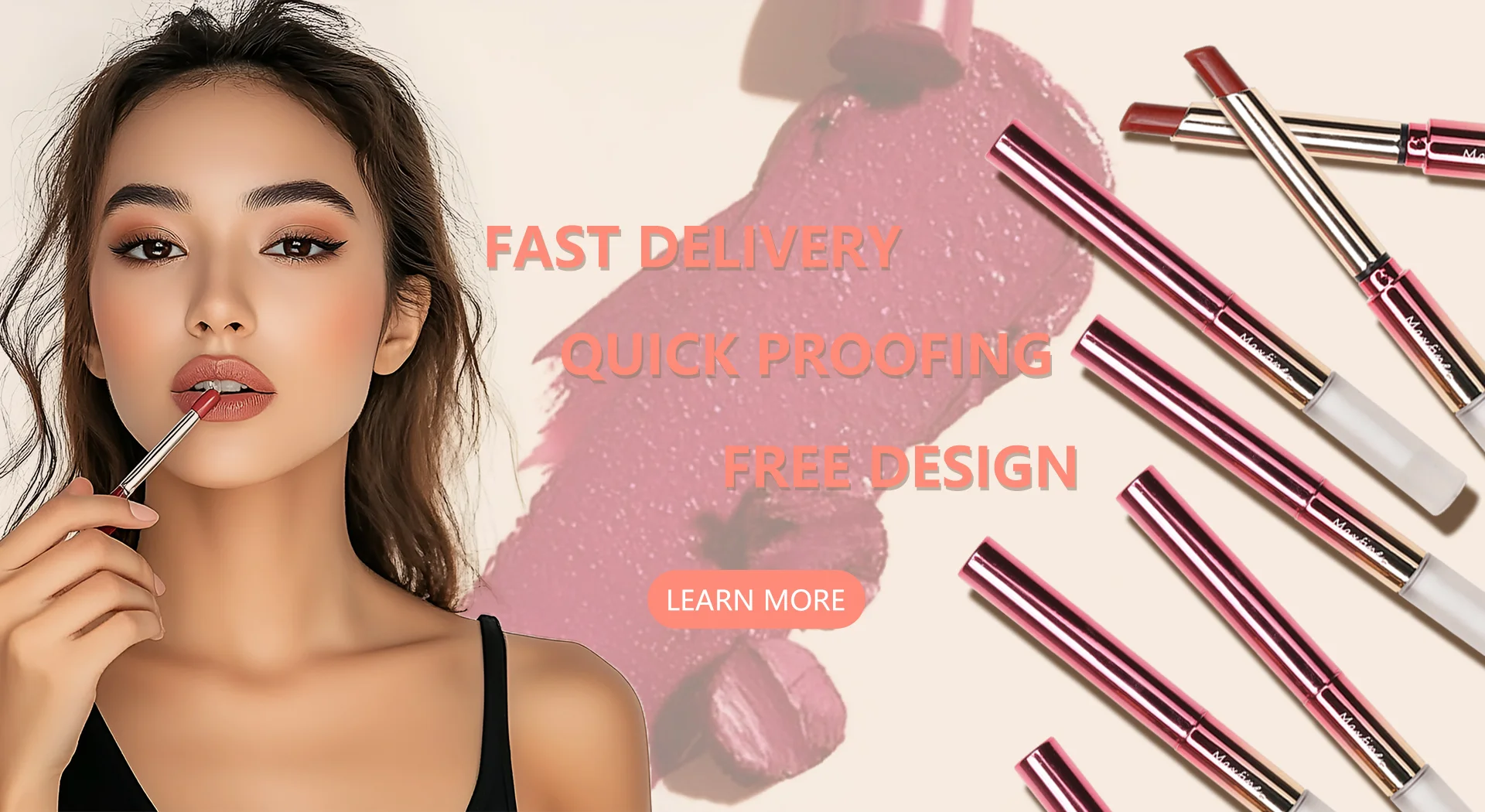
At first glance, lipstick versus lip gloss looks like a simple question of finish. A wholesale buyer has a less glamorous list: will the cap stay clean, can the color be explained in one product image, and does the margin still work during a promotion? A pretty swatch answers none of that. Lipstick gives a color story weight and definition, while lip gloss adds an easy brightness that shoppers notice quickly. As a lip gloss manufacturer, we judge the two by the work they do within a range. The answer changes with the channel and the customer.
What Should Wholesale Buyers Compare First?
Start with the place where the item will actually be sold. The same formula may need one story at a beauty counter and a very different price or pack when it appears in an online bundle.
Buyer Priorities
Picture the product after it leaves the sample table. Someone is applying it in a car mirror, carrying it through a hot afternoon, or putting it back into a crowded handbag. Crisp edges and dependable coverage point toward lipstick; a quick, forgiving application points toward lip gloss. A liquid lip gloss sits between those expectations when it provides clear shine, smooth glide, and enough tint to look polished without feeling dense. Open the pack ten times, wear the formula for an ordinary day, and check it again in natural light. We then return to three facts that are easy to overlook when the shade card is exciting: how the customer normally wears makeup, what price the channel can honestly support, and which package will protect the formula in storage and delivery. None sounds dramatic, yet together they decide whether the item is reordered.
Is Lipstick Better When Color Leads the Sale?
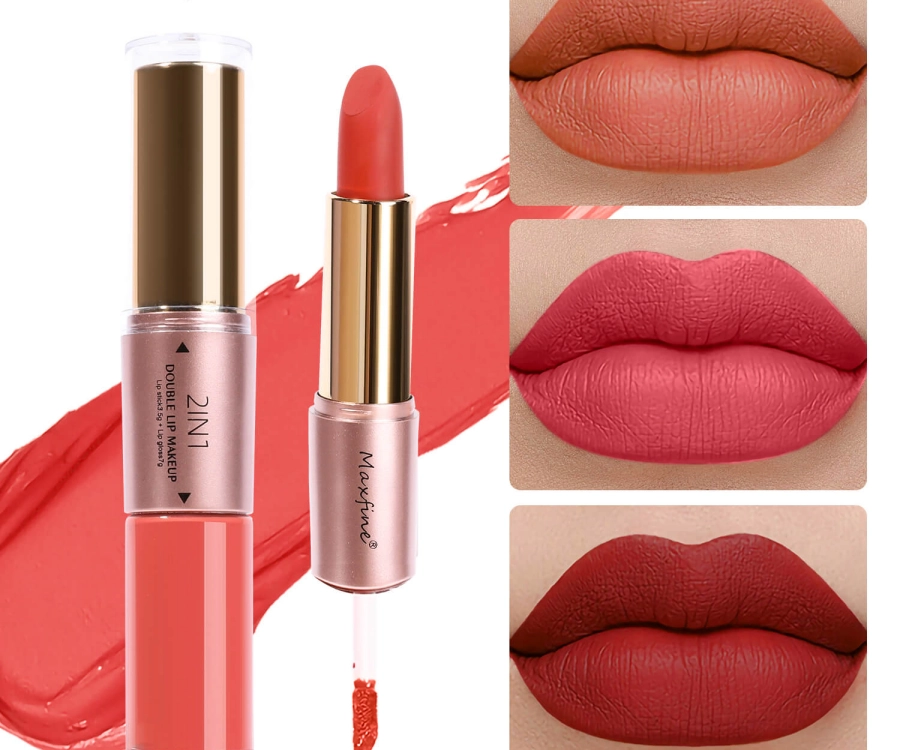
A color-led launch usually needs one obvious anchor; without it, the range can look pleasant but vague. For a compact launch with more than one use story, double head lipstick adds variety without forcing another separate SKU into the order.
Color-Led Products
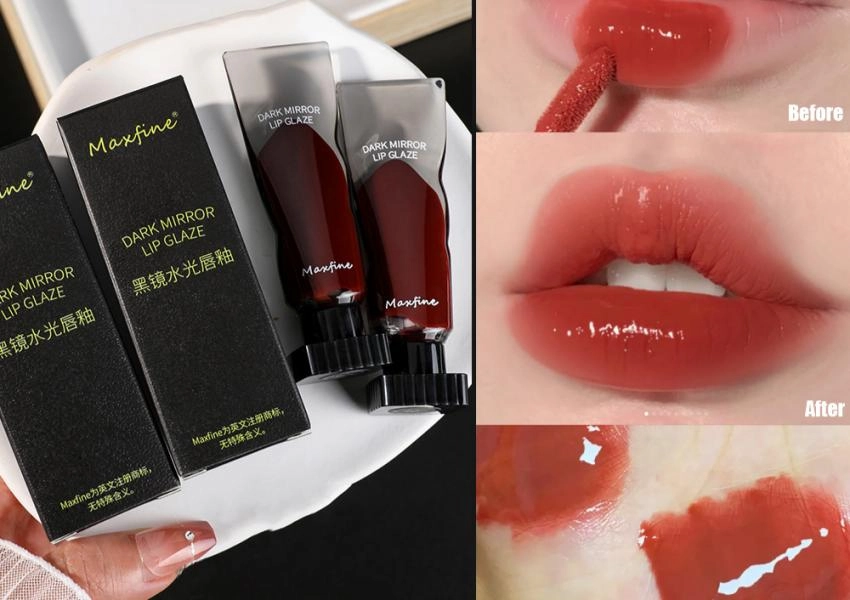
Lipstick earns its shelf space when coverage must look even in photography, and each shade needs enough presence to be recognized at a glance. This matters in seasonal edits and private label ranges, where several decent products can still blur together if the color story is weak. Buyers who prefer liquid filling and a modern applicator can use BVG matte liquid lipstick as the firm color anchor. Its job is uncomplicated: establish depth and definition, then leave room for softer finishes. That said, the format should follow the audience rather than a trend report. Some retail customers still like the control and familiarity of a bullet, while social commerce shoppers may react faster to liquid application and a matte result. Both are sensible. Lipstick does not have to outperform lip gloss on every measure; it simply has to carry the color work that gloss was never meant to handle alone.
When Does Lip Gloss Win More Attention?
Gloss has a different advantage: its main benefit is visible before a shopper reads the copy. Shine catches the eye on a shelf or in a short video, although texture decides whether that first sale becomes a repeat one.
Shine-Led Products
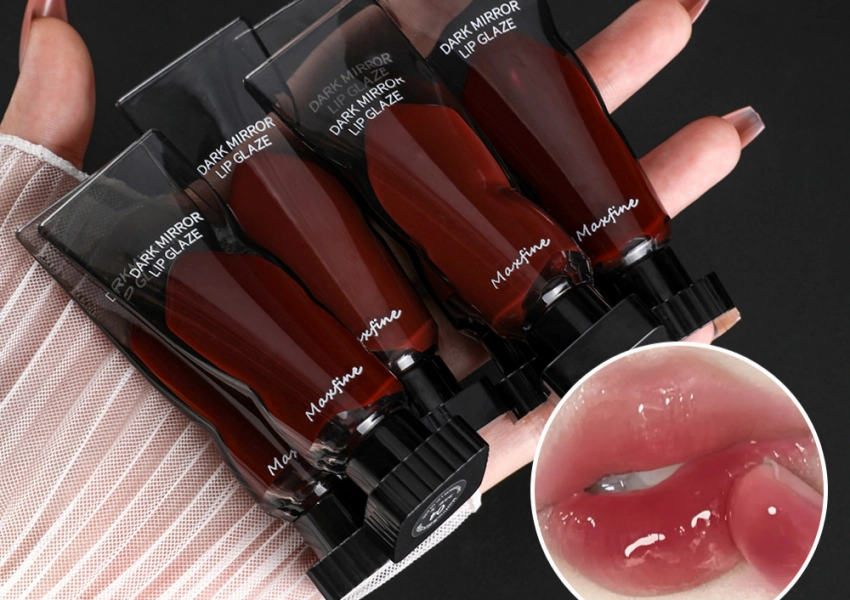
Shine may sell the first tube, but texture is what sells the next one. A convincing gloss looks bright without turning tacky and keeps a comfortable slip after the first few minutes. high shine lip gloss is our recommendation for a shine-led wholesale range because the finish shows well while the product still fits everyday use. This type of liquid lip gloss makes sense in gift sets, online launches, and displays where customers decide quickly. Sales teams also have a straightforward story: glow, layering, and comfort, without an elaborate routine. Still, a gloss-only assortment can feel unfinished when the audience expects strong pigment, no matter how polished the packaging is. For a customer who wants an easy topcoat or a lighter weekday option, lip gloss may become the item she replaces first. The buyer needs to know which of those two customers is more common, rather than assuming every shiny trend reaches every market in the same way.
How Should a Lip Gloss Manufacturer Build the Range?
Range planning gets messy when every appealing sample is approved. A more useful approach gives each finish one clear reason to be bought and keeps the opening order disciplined.
Range Planning
For many wholesale buyers, one color anchor, one shine product, and one softer daily option are enough to test demand without crowding the shelf.Mousse lip tint can take the softer role because its cushion-like texture feels unlike both lipstick and lip gloss. The difference must be easy for a sales representative to explain. If three SKUs make almost the same promise, customers pause, and the pitch becomes awkward; if each one has a recognizable purpose, the assortment feels deliberate. An opening plan can remain quite simple:
- Use lipstick or matte liquid lipstick to establish color definition and shade authority.
- Add lip gloss or liquid lip gloss for shine, comfort, and an immediate visual lift.
- Use a tint or dual-format product for relaxed daily wear, bundle value, and broader reach.
The mix leaves room to test shade and price reactions before a larger reorder, while every product keeps a clear sales argument.
Why Does Manufacturing Support Matter?
Production is where an attractive concept meets ordinary problems such as cap fit, filling tolerance, and carton timing. The key question is whether the approved sample can be repeated at a wholesale scale.
Supplier Checks
A reliable lip gloss manufacturer should be ready to discuss texture, shade consistency, applicator feel, fill accuracy, package fit, and appearance after storage. Ask what happens when a cap is slightly loose or a wiper removes too much formula; the answer often reveals more than a polished factory introduction. These details decide whether lip gloss leaks in transit, whether lipstick develops an unattractive surface, and whether liquid lip gloss still looks clean at first opening. Our approval process is measured rather than rushed. First, agree on the product’s job, then compare the sample with the intended shopper in mind, and finally test the selected pack with the actual formula. MOQ, carton planning, and seasonal timing belong in that same conversation. A lovely sample means little if the launch date slips. None of this is glamorous, but it protects repeat orders. When R&D, packaging, production, and inspection stay connected, revisions are easier to follow and late surprises are less likely.
Who Is L&J Cosmetics?
L&J Cosmetics is a cosmetics OEM/ODM manufacturer serving global beauty customers across lip, eye, face, brow, nail, and cleansing categories. Founded in 2009, we have more than 150 employees and a production area of more than 20,000 square meters. The facility supports product development, sampling, packaging discussion, and wholesale supply. We focus on competitive pricing, responsive service, trend-aware planning, and consistent quality control, helping brand owners, importers, distributors, and private label teams develop lipstick, lip gloss, liquid lip gloss, and wider makeup collections with clearer schedules and less supply chain pressure.
Conclusion
Lipstick is usually stronger when a range needs clear color, defined shape, and familiar makeup value; lip gloss is more persuasive when the customer wants shine, comfort, and an easy daily finish. Most wholesale programs do not need an absolute winner. Let lipstick carry the color story, use lip gloss for glow, and add liquid lip gloss or tint only where it gives the range a genuinely different option. For help with shades, textures, packaging, or wholesale planning, contact us.
FAQ
Q1: Is lipstick or lip gloss better for wholesale buyers?
A1: Lipstick suits ranges built around color and definition, whereas lip gloss suits shoppers who value shine and comfortable daily wear. A focused option from each category often creates the clearest offer.
Q2: What makes liquid lip gloss useful in a B2B range?
A2: Liquid lip gloss is visually easy to sell, works alone or over lipstick, and offers a current finish without a complicated routine, especially in gift sets and online launches.
Q3: How can buyers choose a lip gloss manufacturer?
A3: Review actual samples, formula stability, package compatibility, inspection practice, and production capacity. A capable lip gloss manufacturer should connect product decisions with realistic cost and delivery planning.
Q4: Should a new private label line start with lip gloss?
A4: Yes, when the target shopper prefers shine and easy application. If strong color drives the purchase, begin with lipstick or matte liquid lipstick and add gloss later.
Q5: What product mix works best for a wholesale lip collection?
A5: Combine one color-focused lipstick, one high-shine lip gloss, and one softer tint or dual-format item. The compact selection still covers defined, glossy, and relaxed makeup preferences.