
Why Mascara Clumps, Flakes, or Dries Out Too Fast After Opening
Mascara clumping is often blamed on the formula alone. In practice, the first bad-looking coat may come from the paste, brush, wiper, fill level, application amount, or the way the tube has been opened and closed. Flakes point to a different failure: dried film is breaking away after application. Fast dry-out is another issue, often visible at the neck or on the brush before the product becomes unusable. A private label brief needs to separate these complaints before asking for a formula change.
That distinction is commercially useful. A customer who sees three lashes stuck together may ask for a smoother mascara. A customer who finds dark particles under the eyes may report flaking. Someone who gets a dry, scratchy first stroke after two weeks may blame mascara packaging. Each complaint leads to a different sample test, and each should be checked in the finished tube rather than in an open laboratory cup.
What The Three Complaints Actually Signal
Clumping usually appears when too much material reaches the lash at once, when the formula does not comb cleanly, or when a second coat catches a partly set first coat. Thickening products can show the problem sooner because the visible goal is more body. A narrow brush can reduce overload for some users, but a brush that picks up too little may force repeated passes. The useful question is not whether the paste is thick or thin in isolation. It is how much controlled product reaches each lash.
Clumping Starts Before The Second Coat
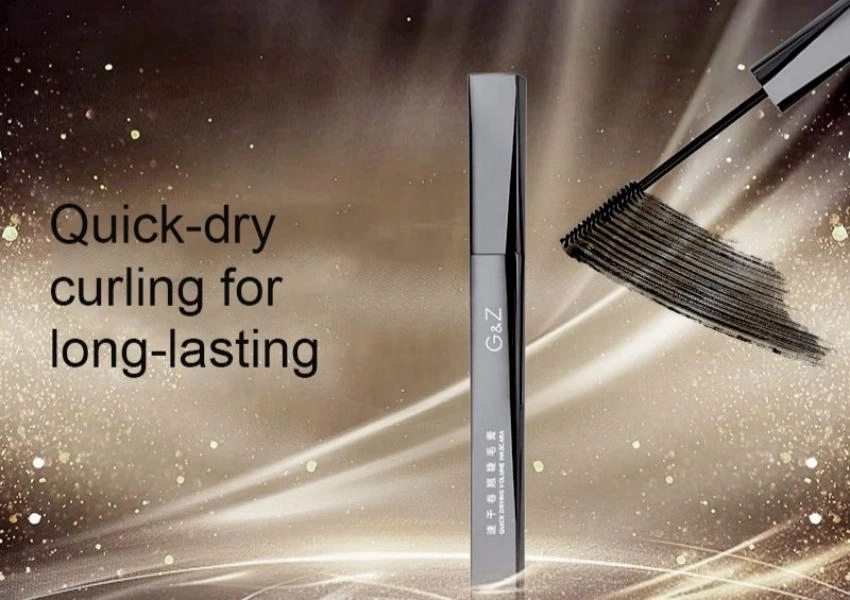
L&J Cosmetics provides several distinct brush and formula references. A volume mascara uses a spiral brush and is positioned as light and less prone to clumping. A lengthening format uses a silicone double-sided brush with a light, sticky paste. A Starlight length direction combines a quick-drying formula with a gourd brush, while the G&Z Quicky Curling Mascara is described with defined, clump-free lashes and a 4 g fill. These are different development routes, not interchangeable claims. They show why the brush, pickup, and set behavior need joint approval.
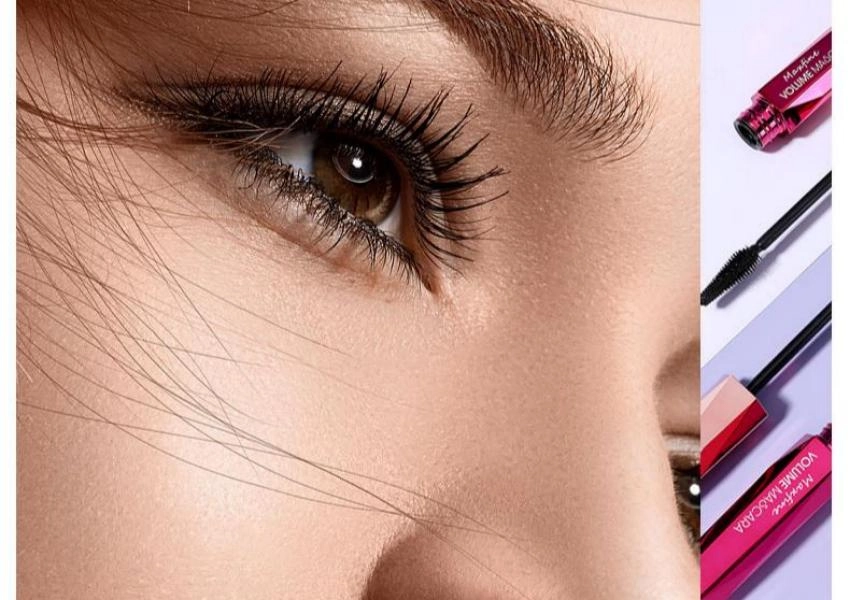
The Maxfine mascara direction in L&J Cosmetics is described as light yet rich, with lengthening, curling, and thickening effects, three color options, and waterproof and smudge-proof positioning. That combination is useful for a buyer comparing a daily volume concept with a more resistant claim set. The sample still needs a defined test method for buildup, eye-area transfer, removal, and final-pack stability.
A separate BVG 2-in-1 direction uses two heads: one is intended to build volume, while the other is intended to make lashes longer and more curled. The format is described as waterproof and smudge-proof with lightweight portable tubes. It is a useful example of range architecture, but it should not be treated as evidence that one wand or one formula can deliver every lash effect.
The volume eyelash mascara page is a precise route for a volume-led sample discussion. It should support a product direction, not a promise that every volume formula will resist clumping. The proposed brush and formula still need to be tested in the final tube, with the same fill and wiper configuration planned for production.
Treat Formula, Brush, And Wiper As One System
Mascara formula work is inseparable from the components. Film-forming polymers can help the deposit hold its shape, while waxes, oils, pigments, fibers, and water or volatile phases change slip, pickup, and drying. A paste that feels smooth on a spatula may still drag on lashes if the brush surface does not release it evenly. A brush that looks fine on a fresh fill can overload after the wiper has been adjusted or after the tube has spent time in storage.
Pickup And Separation Need A Repeatable Method
Use the same number of turns, withdrawal speed, scrape action, application strokes, and coat interval for each sample. Check fine lashes and fuller lashes separately. Record whether the brush deposits a bead at the tip, whether the outer rows receive the same amount as the center, and whether a second pass joins already coated lashes. Avoid reducing a result to a single score such as smooth or clumpy. The location and timing of the defect are more useful to the development team.
A fiber-led direction deserves its own check. L&J Cosmetics’ fiber brush mascara route is relevant when the product brief calls for added length or separation, but fibers can change the way a coat catches and builds. Compare fiber pickup, lash-tip definition, loose particles after drying, and removal residue. The fiber brush eyelash mascara page matches that specific brush and product direction, so it is a better reference than a generic mascara link.
Wiper fit belongs in the same record. If the opening leaves too much material on the stem, the first application may look heavy. If it removes too much, the user may keep pumping the wand back into the tube, bringing more air into the package and speeding up surface drying. Check neck cleanliness, cap closure, wiper consistency, and brush alignment on repeated samples before settling the package.
Why A Tube Can Dry Out Too Fast After Opening
A mascara can dry faster after opening when the seal is weak, the wiper does not close around the stem, the cap is not fully tightened, or the package is repeatedly left open during use. Repeated pumping can also introduce more air than a simple withdrawal. These factors should not be used to assign a single cause without a comparison sample. Test the approved component against a known-good closure and check the product at the opening, on the brush, and on the lashes.
Separate Surface Drying From Formula Drying
Surface drying usually shows first as a crust at the neck, a rough deposit on the wiper, or a dry clump on the brush. Formula drying inside the tube may show as a change in pickup, viscosity, or film behavior over time. Store matched units under the project conditions, open them on a defined schedule, and compare first-stroke appearance. Without a documented time point and storage condition, a claim such as dries out in two weeks is not a useful QC result.
Mascara packaging should also be reviewed for transport and everyday handling. Check cap torque or closure feel as applicable, leakage, wiper movement, label adhesion, and whether the brush remains centered after the package is handled. If the pack is changed after formula approval, repeat the opening and dry-out check. A different tube can change the air exchange and the amount of material returned to the reservoir.
The official mascara collection is suitable for comparing several mascara formats before a brand narrows the brief. The category link does not replace SKU-level approval. It helps frame the range, while the retained final sample defines the actual formula, brush, wiper, fill, and closure that must be repeated.
Build A Final Private Label QC Gate
A practical approval file can be short, but it should answer the complaints a retailer will receive. Compare at least the fresh sample and the stored sample under the same application method. Check first-stroke load, separation, buildup, flake release, smudge around the eye, removal feel, opening residue, cap fit, and formula appearance. Record the brush revision and packaging revision beside the formula code so a later change does not erase the comparison history.
Do not promise waterproof wear, no flaking, or a fixed opening life unless the project has a test method that supports the wording. A long-lasting mascara can still fail on oily lids, a large first coat, or a poorly closed tube. A lower-clump direction can still need a clean brush technique. The retail claim should match the tested use conditions and the approved component set.
Later in development, L&J Cosmetics can support mascara formula direction, brush selection, packaging, printing, and sample confirmation. The useful supplier conversation starts with the complaint pattern and the target routine, then follows every adjustment through the final package. That keeps a private label mascara launch focused on repeatable customer experience rather than a good-looking first swatch.
FAQ
Q1: Why does mascara clump after the first coat?
A1: Common contributors include excess pickup, a brush that does not separate lashes, a formula that sets unevenly, or a second coat applied after the first has partly dried. Test the brush and formula together.
Q2: Are mascara flakes the same as smudging?
A2: No. Smudging is wet or softened product moving onto nearby skin. Flaking is dried film breaking away. Record them separately because the formula, brush, and wear checks are different.
Q3: How can a buyer check mascara packaging for fast dry-out?
A3: Review wiper fit, cap closure, neck residue, brush alignment, opening condition, and matched units stored under defined conditions. Repeat the check if the tube or wiper changes.
Q4: Does a quick-drying mascara always resist flakes?
A4: No. Faster setting can help reduce transfer, but a brittle or uneven film may flake. Check the dried lash film, movement, removal, and particle release on the actual sample.
Q5: What should private label mascara buyers approve before production?
A5: Approve the formula, brush, wiper, fill, tube, closure, application method, wear conditions, removal guidance, claim boundary, and retained reference sample as one system.