
Lip Gloss Packaging: Doe-Foot Wand, Squeeze Tube, or Dual-Ended Format
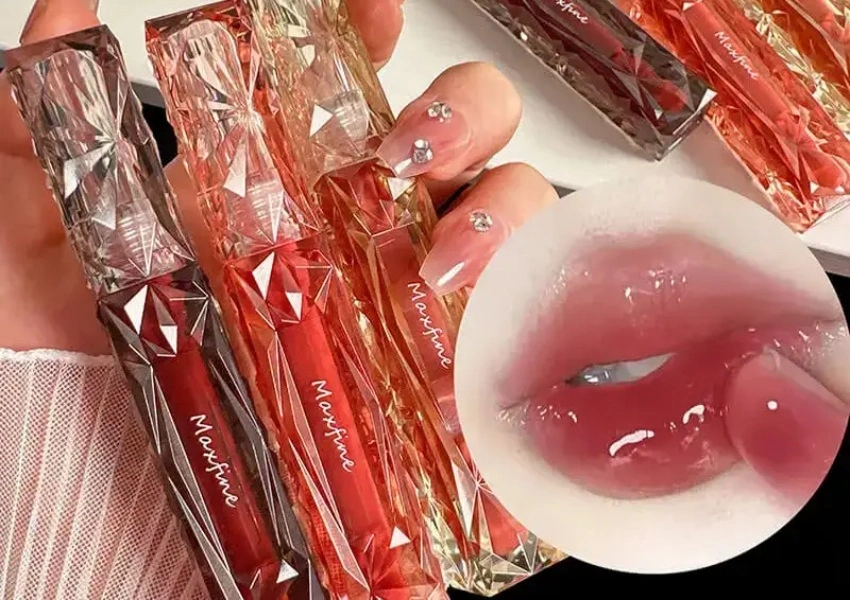
Packaging changes the way a lip gloss is picked up, applied, stored, shipped, and judged on a retail shelf. A doe-foot wand can feel precise and familiar, a squeeze tube can signal casual portability, and a dual-ended format can turn two textures or shades into one saleable unit. For a private label brief, the right choice depends on the formula and the routine the brand wants to sell, not on the silhouette alone.
Start With the Use Case, Not the Silhouette
A customer using a sheer daily gloss may value a clean, quick swipe. A high-pigment or glass-finish product may need more control at the lip line and a wiper that removes excess material before the wand leaves the neck. A set format has another job: it must make the two sides easy to identify and keep both chambers usable at the same pace. That is why lip gloss packaging belongs in the product brief from the first sample round.
Doe-Foot Wand for Controlled Pickup
The usual advantage of a lip gloss wand is direct control over pickup and placement. Shape, flocking, length, flexibility, and reservoir behavior affect whether the applicator lays down a thin veil or a heavy bead. The wiper is just as important. A tight wiper may give a cleaner first stroke but can make a viscous gloss feel starved; a loose wiper may carry too much product and leave residue around the neck. Test the filled pack, not an empty component, because viscosity, pigment, pearl, and film-forming materials change the result.
L&J Cosmetics’ lip gloss gives a relevant starting point for comparing gloss formats and presentation. The category includes gloss directions that can be reviewed as a range, while the final applicator still needs confirmation against the chosen bulk and fill level.
Squeeze Tube for Portability And Simpler Use
A squeeze tube removes the wand-cleaning question and lets the user control the amount by pressure. That can suit clear glosses, balm-like textures, and products positioned for bags or quick reapplication. The nozzle opening, shoulder shape, cap thread, and cut-off behavior deserve attention. A soft tube that looks attractive in a mock-up may still ooze after pressure, trap product at the shoulder, or let the tip touch a dirty surface during repeated use.
A tube also changes the retail promise. The package can communicate an easy, informal application, but it may not deliver the polished precision expected from a pointed lip gloss wand. Buyers should test the first-use bead, the final-use bead, cap closure, nozzle cleanliness, and the appearance of the tube after rubbing, squeezing, and standing upright for storage.
Match the Pack to Formula Behavior
The same gloss can behave differently in a wand, tube, or dual-ended pack. A low-viscosity base may leak through a poor seal or flood the applicator. A pearl-rich formula may settle or leave a visible ring near the neck. A sticky film can make the wiper harder to clean and increase the chance of stringing when the wand is pulled out. These are not reasons to reject a format; they are reasons to run the formula and component as one system.
Filling, Wiper, and Closure Checks
For a wand pack, check fill accuracy, neck cleanliness, wiper seating, cap torque, and repeated open-close cycles. Look for seepage after upright and inverted storage, then repeat after temperature exposure defined in the project test plan. For a squeeze tube, inspect the shoulder seal and nozzle cut, then test leakage after compression and transport simulation. A dual-ended pack adds an internal divider, two closure points, and a higher risk that one side contaminates the other if the design is weak.
L&J Cosmetics’ high shine lip gloss is a useful reference when a brand wants a glossy finish but still needs to discuss wear, pickup, and the visual result of the final component. Product-page positioning does not replace a filled-pack test, yet it helps keep the packaging conversation tied to a real gloss direction rather than an abstract component list.
Compare Retail Impact and Supply Risk
A doe-foot wand usually supports a more classic lip-product presentation and can work across clear, tinted, and high-shine ranges. A squeeze tube may reduce component complexity, but the nozzle and cap become highly visible parts of the user experience. Dual-ended packaging can create a stronger shelf story, especially when one end adds color and the other adds shine, although it also increases filling, labeling, inspection, and replacement questions.
The Dual-Ended Format Needs a Clear Reason
Two ends should solve a real merchandising problem. Pairing a sheer gloss with a tinted gloss, or a liner-like end with a shine end, can make the format understandable in a few seconds. If the two sides are too similar, the pack becomes harder to explain and more expensive to manage. Ask whether both ends share compatible storage conditions, whether each side has enough usable fill, and how the brand will handle a complaint when only one chamber fails.
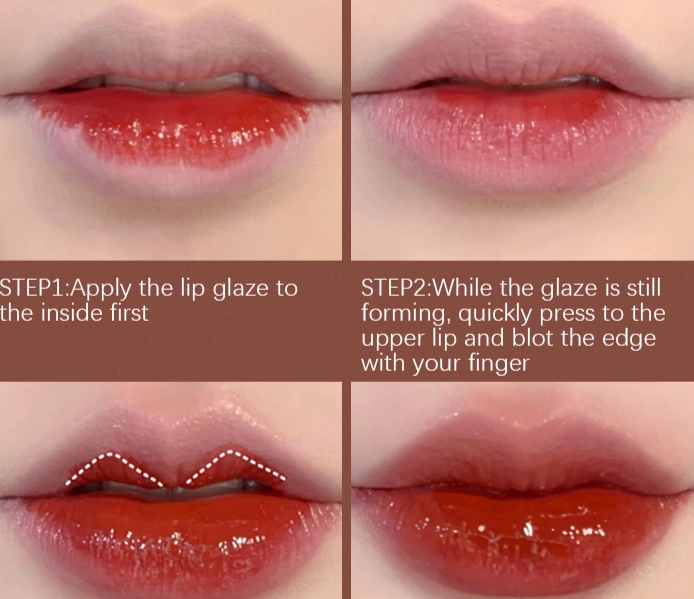
For a glass-look concept, water mirror glass effect lip gloss is a more accurate product-page bridge than a generic makeup link. The page matches the finish language, while the buyer still needs to confirm whether the chosen tube, wand, seal, and artwork preserve that presentation in actual retail handling.
Build a Private Label Approval Checklist
A practical approval round should compare at least one filled sample of each proposed format using the same bulk, shade, and fill target. Record application control, pickup, clean-off at the wiper, closure feel, leakage, label scuffing, and shelf appearance. The pack should also be reviewed after transport handling and after repeated consumer-style opening. Photos alone cannot show whether the wiper scrapes too much product or whether a dual-ended cap is difficult to close.
This is where a supplier’s OEM/ODM scope matters. L&J Cosmetics was established in 2009, and its project materials describe a cosmetics manufacturing platform with more than 150 employees and production space above 20,000 square meters. For a brand comparing a new lip gloss tube with a custom wand or set, packaging samples, formula samples, artwork, and bulk approval should move through the same project record. L&J Cosmetics is the appropriate broad link for that later supplier discussion, while product pages should carry the specific gloss claims.
FAQ
Q1: Which format is the safest starting point for a new lip gloss line?
A1: A doe-foot wand is often the easiest benchmark because pickup and application are familiar, but the final decision should follow the actual viscosity, fill, target price, and leakage test results.
Q2: Is a squeeze tube always cheaper than a wand pack?
A2: Not automatically. The tube, nozzle, cap, decoration, filling method, and inspection requirements all affect cost. A supplier should quote the complete filled pack rather than one component.
Q3: What should be checked before approving a dual-ended gloss?
A3: Check chamber separation, closure fit, fill consistency, cross-contamination risk, application balance between both ends, labeling, and what happens if only one side develops a problem.
Q4: Can one lip gloss formula use every packaging format?
A4: It should not be assumed. Viscosity, pearl, pigment, film behavior, wiper design, nozzle size, and seal materials may require format-specific adjustment and compatibility testing.
Q5: Can L&J Cosmetics support packaging customization for private label gloss?
A5: L&J Cosmetics covers OEM/ODM, formula development, samples, packaging customization, and printing. Exact component availability, decoration, fill, and production terms should be confirmed for the brief.