
كريم الأساس الصلب مقابل كريم الأساس السائل: تحليل فني للملمس والأداء
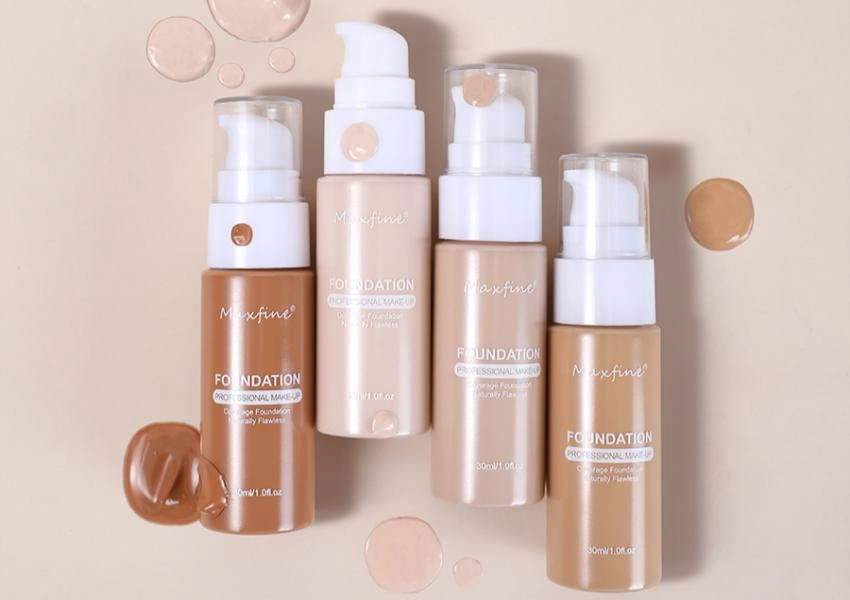
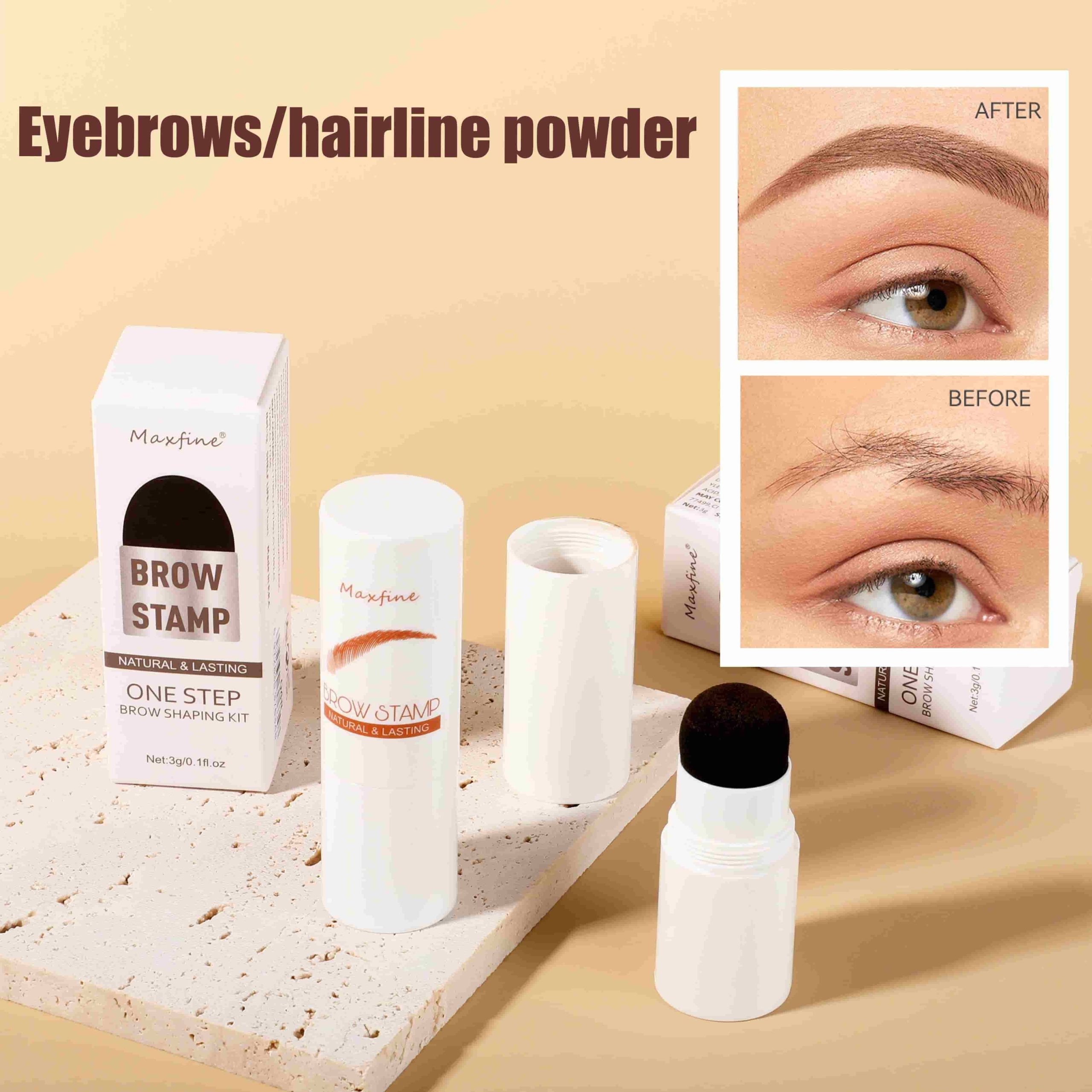
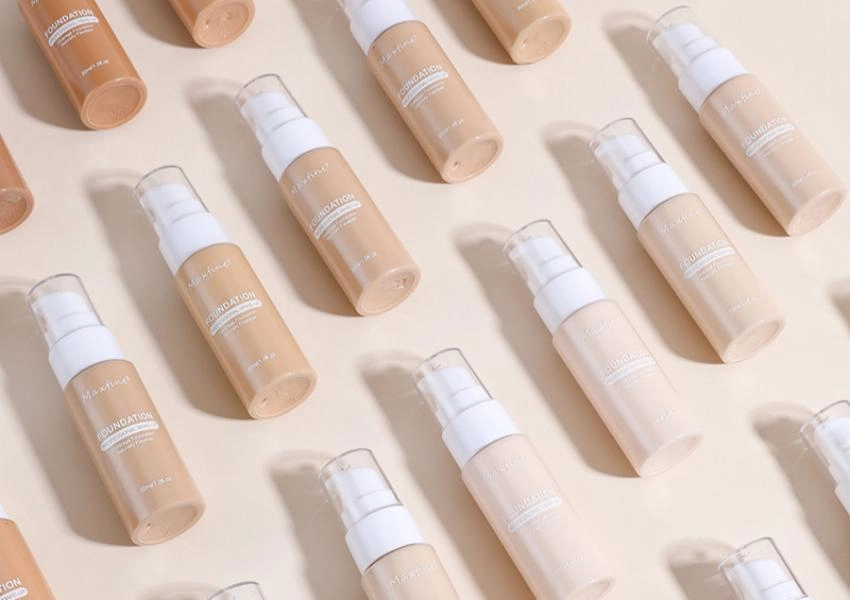
لا يحدد تركيب كريم الأساس قوامه فحسب، بل يحدد أيضًا فعاليته على البشرة. فالأنواع الزيتية والمائية والسيليكونية تمنح كل منها خصائص حسية ووظيفية مميزة. يعتمد كريم الأساس الصلب عادةً على الشموع والزيوت للحفاظ على بنية شبه صلبة، مما يوفر ثباتًا وتغطية قويين. في المقابل، كريم الأساس السائل عبارة عن مستحلبات توازن بين الماء والزيت لضمان سيولة وسهولة التوزيع. يتوفر كريم الأساس السائل في عبوات بمضخة وأنابيب ضغط، مما يتيح استخدامه بسهولة وبشكل صحي. يمكنه تعديل لون البشرة، وحمايتها من الغبار، ومنحها ملمسًا ناعمًا ورقيقًا، مع إخفاء العيوب الطفيفة.
تعمل المُرطّبات، مثل الإسترات أو السيليكونات، على تحسين الانزلاق والانسيابية، بينما تُثبّت الشموع قوام العصي عن طريق زيادة اللزوجة وقوة الطبقة. وتضمن المواد الرابطة تماسك الصبغة داخل المادة الأساسية، مما يحافظ على توزيع متجانس للون طوال فترة الاستخدام.
كيف تؤثر الخصائص الفيزيائية على علم الريولوجيا وسلوك التطبيق؟
تتحكم الخصائص الريولوجية في كيفية استجابة كريمات الأساس للإجهاد الميكانيكي أثناء الاستخدام. تتميز كريمات الأساس الصلبة بلزوجة أعلى نظرًا لاحتوائها على شبكات شمعية صلبة، بينما تتميز كريمات الأساس السائلة بلزوجة أقل مع ميلها إلى الانسيابية، حيث تصبح أقل لزوجة تحت تأثير إجهاد القص الناتج عن الفرش أو الإسفنج. هذه الخاصية تسمح لها بالانتشار بالتساوي دون ترك أي خطوط.
يؤثر معدل القص بشكل مباشر على نعومة المنتج؛ فعند الضغط أثناء المزج، يُسهم التفكك البنيوي الداخلي في تكوين طبقة متساوية. تضمن خاصية الانسيابية أن يستعيد المنتج قوامه بعد وضعه، مما يمنع التقطير أو الانتشار. لزوجته أقل من كريم الأساس، وقدرته على التغطية أضعف قليلاً، ولكنه يتميز بانسيابية جيدة، مما يسهل فرده على البشرة. هذه الخاصية تُحسّن تحكم المستخدم أثناء وضع طبقات متعددة.
كيف تؤثر ديناميكيات الملمس على تفاعل الجلد أثناء الاستخدام؟
تصف ديناميكيات الملمس كيفية تفاعل تركيبة المنتج مع سطح البشرة في ظل ظروف حقيقية من حيث درجة الحرارة والضغط ووجود الإفرازات الدهنية. تُشكّل كريمات الأساس الصلبة طبقةً فوريةً على البشرة مع امتصاص ضئيل بفضل تركيبتها من الشمع والزيت التي تلين عند دفء الجلد. تتميز كريمات الأساس الصلبة عمومًا بملمس ناعم وسهولة توزيع ممتازة، مما يُقلل من معامل الاحتكاك مقارنةً بكريمات الأساس الجافة.
تؤثر مستويات الزيوت الطبيعية في البشرة على كيفية عمل المكياج. فالزيوت الزائدة قد تُسهّل انزلاقه، ولكنها قد تُقلل من ثباته إذا لم تُوازنها بودرة النقع. أما كريم الأساس السائل، فيتكيف أثناء الاستخدام. تتبخر الأجزاء سريعة الجفاف، مما يجعل السائل أكثر كثافة عند دمجه، وهذا يُعطي لمسة نهائية حريرية وثابتة. وتُحدد مقاومة الاحتكاك مدى نعومة المنتج، فكلما قلّ الاحتكاك، زادت فخامة ملمس المكياج.
كيف يتم تقييم الإدراك الحسي من خلال مُعدِّلات الملمس؟
تقيس الاختبارات الحسية الإحساس باللمس، مثل الانزلاق والانتشار والملمس النهائي. يستخدم الخبراء أجهزة اختبار ومجموعات بشرية مدربة لهذا الغرض. تعمل مطاطات السيليكون على تقليل الاحتكاك لمنح البشرة ملمسًا مخمليًا. تضيف الإسترات ملمسًا ناعمًا دون ترك أي أثر دهني. تعمل المساحيق المعالجة بطبقتين بشكل أفضل من تلك المعالجة بالفلوروسيلان فقط، فهي تمتزج بشكل أفضل مع المكونات الأخرى، وتلتصق بالبشرة بشكل أفضل، وتمنحها ملمسًا أنعم. تُترجم هذه التغييرات إلى إحساس غني للمستخدم، حيث ينتقل بسلاسة من أول مسحة إلى شعور جاف ومريح لاحقًا.
ما الذي يحدد تجانس التغطية وتكوين الفيلم؟
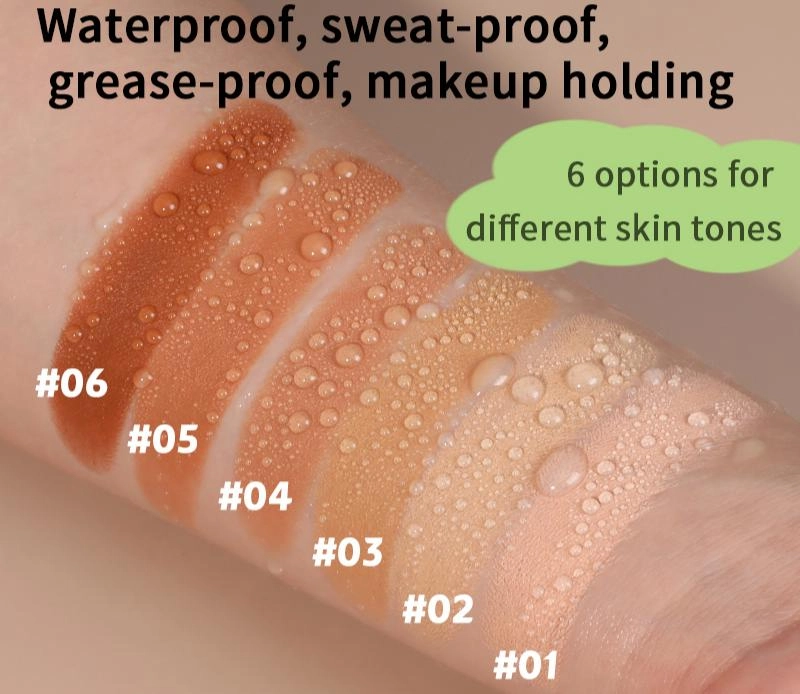
يعتمد التوزيع المتساوي على مدى انتشار جزيئات اللون داخل السائل الأساسي. في أنظمة السوائل مثل نظامنا التحكم في زيت الأساس السائلتمنع عوامل خاصة جزيئات الصبغة من التكتل، كما تتيح خيارات متعددة من خلال التحكم بكمية البودرة. يُخفي هذا المنتج عيوب البشرة بسلاسة، فهو يُغطي البقع وآثار حب الشباب والهالات السوداء بفعالية، دون أن يبدو سميكًا أو غير طبيعي.
يُعدّ سُمك طبقة المكياج بالغ الأهمية. فوضع كمية كبيرة منه يُعطي مظهرًا متكتلًا، بينما يُسبب وضع كمية قليلة منه بقعًا غير متساوية. ويُساعد التوزيع المُحكم للمكياج على توزيعه بسلاسة بعد وضعه، مما يُنتج مزجًا ناعمًا للضوء، ويُعطي إما لمسة نهائية مطفية أو لامعة. وتعتمد النتيجة النهائية على كيفية انعكاس الضوء على الألوان.
كيف تختلف خصائص طول العمر وسلوكيات الأكسدة بين الأشكال المختلفة؟
تستمد كريمات الأساس الصلبة ثباتها من معدلات تبخر المواد الحاملة المتطايرة، بالإضافة إلى ثبات الملونات ضد الأكسدة عند تعرضها للأشعة فوق البنفسجية. غالبًا ما تتفوق كريمات الأساس الصلبة على السائلة في مقاومتها للعوامل الخارجية، وذلك لاحتوائها على نسبة أعلى من الشمع الذي يشكل طبقة عازلة ضد الرطوبة والتآكل. يُعد ثبات المكياج لفترة طويلة ميزة رئيسية أخرى لكريمات الأساس الصلبة.
تحتوي الخلطات السائلة على مضادات أكسدة مفيدة مثل التوكوفيرول، التي تمنع تغير لون البشرة الذي قد يؤثر على لونها الأساسي خلال اليوم. كما أن مكوناتها المحبة للماء تمنح البشرة شعوراً بالراحة. مع ذلك، قد تقلل هذه الخلطات من مدة ثبات المنتج. ولحل هذه المشكلة، يضيف المصنّعون بوليمرات خاصة تُشكّل طبقة واقية تدوم طويلاً.
ما هي أنواع البشرة التي تستفيد أكثر من كل نوع من أنواع كريم الأساس؟
تعتمد ملاءمة كريم الأساس للبشرة على مستوى ترطيبها وتوازن إفراز الدهون. تُعدّ تركيبات كريم الأساس الصلبة مثالية للبشرة الدهنية أو المختلطة لاحتوائها على الشمع، مما يجعلها خيارًا رائعًا لمن يرغبون في الحصول على مظهر مطفي يدوم طويلًا. في المقابل، تتميز كريمات الأساس السائلة بقدرتها على التكيف مع البشرة الجافة أو الحساسة بفضل احتوائها على مواد مرطبة، مما يوفر ترطيبًا يدوم طويلًا دون سد المسام.
ما هي العوامل الجلدية التي ينبغي على المختصين أخذها في الاعتبار؟
يؤثر نوع تركيبة المنتج على احتمالية انسداد المسام. قد تحتاج أنواع الكريمات السميكة ذات الأساس الزيتي إلى تعديلات لمنعها من التسبب في ظهور البثور. يستخدم المصنّعون السيليكونات أو الإسترات الخفيفة لهذا الغرض. يجب أن يكون المنتج مصنوعًا من مواد آمنة لا تُهيّج البشرة. تضمن اختبارات سلامة البشرة أن المكياج لا يُسبب احمرارًا للبشرة الحساسة.
ما هي الابتكارات التكنولوجية التي تشكل عملية تطوير المؤسسات الحديثة؟
يركز الابتكار على استقرار تشتت الصبغة وآليات التوصيل، مما يعزز حالات الاستخدام الدقيقة مثل حالاتنا مؤسسة عصاتُغلّف تقنيات التغليف الدقيق الأصباغ داخل أغلفة بوليمرية لإطلاق كثافة اللون ببطء مع مرور الوقت، مع منع تغيرات الأكسدة. أما تقنيات التشتيت النانوي فتُحسّن تجانس كريمات الأساس السائلة، حيث تُؤدي أحجام الجسيمات الأصغر إلى انتقالات بصرية أكثر سلاسة عبر التباينات الدقيقة لتضاريس الوجه.
كيف تُحسّن أنظمة التغليف سلامة التركيبة؟
تحافظ موزعات المستحضرات الخالية من الهواء على المكونات المتطايرة في السوائل عن طريق تقليل دخول الأكسجين أثناء دورات التوزيع، وهو أمر بالغ الأهمية للحفاظ على نضارة المستحلبات المرطبة مثل تلك المستخدمة في مستحضرات L&J Cosmetics. تضمن طرق تثبيت الطور الصلب مقاومة منتجات الصلصات للذوبان حتى في درجات حرارة التخزين المرتفعة، مع الحفاظ على سهولة الانزلاق بفضل بنيتها البلورية المتوازنة.
كيف يتم تقييم الملمس والأداء علمياً؟
يُؤكد التحليل الآلي صحة الادعاءات الحسية الذاتية من خلال معايير قابلة للقياس. تُحدد أجهزة قياس اللزوجة تدرجات اللزوجة عبر معدلات القص التي تُحاكي ضربات الفرشاة؛ بينما تُقيّم أجهزة اختبار الاحتكاك معاملات الاحتكاك التي تُحاكي تطبيق الأصابع على ركائز جلدية اصطناعية. تُعرّض بروتوكولات الثبات المُعجّلة العينات لدورات حرارية بين 5 درجات مئوية و45 درجة مئوية، لتقييم ميول انفصال الطور على مدى فترات زمنية تُعادل شهرًا. تُحاكي عمليات محاكاة التآكل في المختبر دورات التآكل الميكانيكي، للتحقق من معايير طول عمر مقاومة النقل قبل طرح المنتج في السوق.
كيف ينبغي للمختصين مطابقة أنواع الصياغة مع سياقات الاستخدام؟
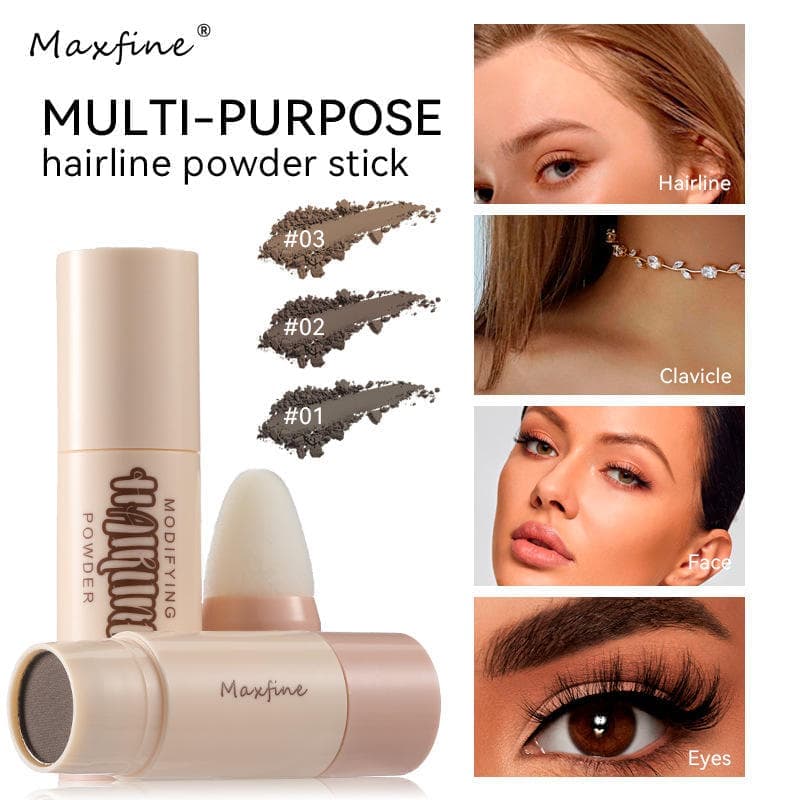
يتم اختيار المنتجات بما يتناسب مع أهداف التجميل المرجوة: تتفوق الأقلام في تغطية مناطق محددة كتحديد ملامح الوجه أو لإجراء تعديلات سريعة أثناء السفر بفضل حجمها الصغير وسهولة حملها؛ بينما توفر السوائل مرونة في وضع الطبقات، وهو ما يُفضل في بيئات الاستوديوهات التي تتطلب تحكمًا دقيقًا في مزج الألوان المتدرجة. يتطلب تحقيق التوازن بين النتائج الجمالية دمج تفضيلات اللمسة النهائية - شفافة أو كثيفة - مع قوانين الفيزياء التي تحكم ديناميكيات تكوين طبقة المكياج. يوازن المحترفون بين سهولة الاستخدام والمتانة، حيث يتباين ثبات المنتج مع إحساس الندى المريح، وذلك حسب مدة المناسبة.
نبذة عن مستحضرات تجميل إل آند جيه
عند L & J مستحضرات التجميلنحن متخصصون في تركيبات البشرة المتطورة التي تجمع بين الدقة العلمية والحس الفني. يدمج بحثنا هندسة الريولوجيا مع تقييم السلامة الجلدية لابتكار منتجات مصممة خصيصًا للمحترفين حول العالم الذين يسعون إلى أداء ثابت في مختلف الظروف المناخية. بدءًا من سوائلنا المبتكرة المعبأة في عبوات محكمة الإغلاق لضمان الحفاظ على النظافة، وصولًا إلى العصي الصلبة المستقرة التي توفر تحكمًا سلسًا في التطبيق، يعكس كل منتج التزامنا بالتميز في الملمس والتحسين الحسي، المصمم وفقًا لمتطلبات فن التجميل الواقعية لمختلف أنواع البشرة حول العالم. للاستفسار عن الشراكة أو الاستشارات الفنية المتعلقة بتخصيص التركيبات بما يتناسب مع الاحتياجات المهنية، يرجى الاتصال بنا.
أسئلة متكررة
س1: أي شكل من أشكال كريم الأساس يوفر تغطية أفضل - كريم الأساس على شكل عصا أم كريم الأساس السائل؟
ج1: كريمات الأساس الصلبة عادةً ما تحتوي على كمية أكبر من اللون، مما يجعلها مثالية لتغطية كاملة. أما كريمات الأساس السائلة فتتيح لكِ إمكانية إضافة طبقات، بدءًا من تغطية خفيفة وصولاً إلى تغطية متوسطة، وذلك حسب قوامها السائل.
س2: هل كريمات الأساس السائلة للتحكم في الزيوت مناسبة للبشرة الحساسة؟
ج٢: نعم. تحتوي سوائل التحكم في الزيوت الحديثة على عوامل مرطبة، تحافظ على توازن مستويات الماء في البشرة. كما أنها خالية من المواد القاسية كالكحول والعطور النفاذة، مما يجعلها آمنة حتى للبشرة الحساسة.
س3: ما هي العوامل التي تحدد أداء التآكل الطويل؟
ج٣: يعتمد ثبات المكياج لفترة طويلة على اختيار البوليمرات المناسبة لتكوين طبقة واقية. كما يتطلب الأمر معالجات لونية تعزز قوة الثبات. ويُعدّ التحكم في سرعة جفاف السوائل أمرًا أساسيًا. وأخيرًا، تُثبت اختبارات الحرارة والرطوبة قدرة المكياج على تحمل الاستخدام الفعلي قبل طرحه في السوق.
س4: ما هو نوع كريم الأساس الأنسب لأنواع البشرة المختلفة؟
ج٤: تُعدّ كريمات الأساس الصلبة مثاليةً عمومًا للبشرة الدهنية أو المختلطة، لأنّ محتواها من الشمع يُساعد على الحفاظ على مظهر مطفي طوال اليوم. في المقابل، تُناسب كريمات الأساس السائلة البشرة الجافة أو الحساسة بشكلٍ أفضل، لأنّها غالبًا ما تحتوي على مواد مرطبة تُحافظ على رطوبة البشرة دون سدّ المسام.
س5: كيف تحمي طرق التعبئة والتغليف والتثبيت سلامة تركيبة كريم الأساس؟
ج٥: غالبًا ما تستخدم كريمات الأساس السائلة عبوات محكمة الإغلاق تقلل من تعرضها للأكسجين، مما يساعد على الحفاظ على المكونات المتطايرة ويحافظ على نضارة المستحلبات المرطبة. أما بالنسبة لكريمات الأساس الصلبة، فيستخدم المصنعون طرق تثبيت الحالة الصلبة لضمان مقاومة المنتج للذوبان في درجات حرارة التخزين العالية مع الحفاظ على انسيابيته أثناء الاستخدام.