
Why Cream Blush Fades or Lifts Foundation: What Formula Buyers Should Check
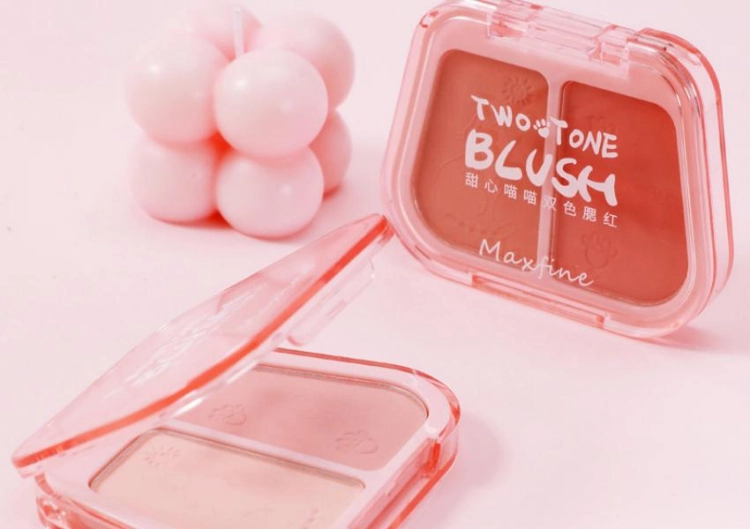
A cream blush can look perfect in a fresh swatch, then seem to vanish by lunch or pull a patch of foundation away during blending. Those complaints are often grouped together, even though they point to different problems. Fading is a loss of visible color after wear. Lifting is physical disruption of the base beneath. Pilling is a separate rolling or flaking effect that can involve the skincare, primer, foundation, tool, and blush combination. A private label brief needs to name the symptom before anyone changes the formula.
That distinction matters because a richer cream blush formula is not automatically more secure on foundation, and a stronger film is not automatically more comfortable. Buyers need samples that show how the product performs over the intended base, not just how it spreads on bare skin or on an arm. The practical question is whether the cheek color can stay even without disturbing the complexion product a customer has already applied.
Name The Failure Before Changing The Formula
Cream blush fading usually appears as a softer, less visible cheek after oil, sweat, touching, or normal movement. The color may still be sitting on the skin, but the film has thinned, the pigment has become less visible, or the surrounding foundation has become shinier. Lifting looks different: a finger, sponge, or brush exposes the base, creates a pale gap, or leaves a hard edge where the blush was moved. A formula team cannot solve both with one generic request for longer wear.
Fading Is Not Always A Pigment Problem
A shade can fade because the pigment level is modest, but it can also lose impact when the carrier remains too emollient, the finished film transfers easily, or the foundation beneath changes as sebum builds. The project knowledge base places blush among face products used to brighten the complexion and link color across an eye-and-lip look. That role makes visible payoff important, yet a bolder initial swatch is not a substitute for a stable application film.
إن كريم مرطب لأحمر الخدود direction is useful when a brand wants a soft, comfortable cheek texture. L&J Cosmetics has a round-headed cream format with an 8 g fill and a palette covering rose red, pink, red, nude pink, orange, and dark orange. Those facts are helpful for sampling decisions: the brand can review shade payoff, fingertip pickup, and the way a rounded delivery surface applies color before locking the component.
Lifting Is Usually A System Interaction
When a cream blush lifts foundation, the first cause is often application friction. A dense brush, a stiff stick swipe, or repeated back-and-forth blending can drag a partially set base. The formula can contribute too. A highly oily or poorly integrated cream may soften the foundation film; a product with too much structure can catch and pull; a water-containing blush may behave differently over an oil-rich, silicone-rich, or water-based foundation. None of those outcomes can be judged from an isolated blush swatch.
Check The Emulsion And Pigment System Together
Some cream blushes are largely oil-and-wax systems, while others use an emulsion structure. The buyer does not need to prescribe an ingredient percentage. The useful brief states the target slip, payoff, finish, and base products used in testing. A balm stick can need a different compatibility screen from a water-light cream. In both cases, the pigment has to wet out evenly in the carrier and remain evenly distributed after storage, filling, and use.
Pigment surface treatment is one relevant part of cosmetic formulation. Alkylsilane-treated pigments have good wetting in synthetic esters, mineral oils, and silicone oils and can support higher pigment loads in stick and foundation systems. Metal-soap treatments can improve lipophilicity, skin affinity, and adhesion in pressed powder, eyeshadow, and blush directions. Hydrogenated lecithin treatment can aid oil-phase dispersion and skin feel, while the underlying lecithin needs attention because it can be prone to oxidation, discoloration, and odor change. These are formulation routes to evaluate with the supplier, not a promise that any one treatment fixes fading or lifting.
Use The Intended Application Method
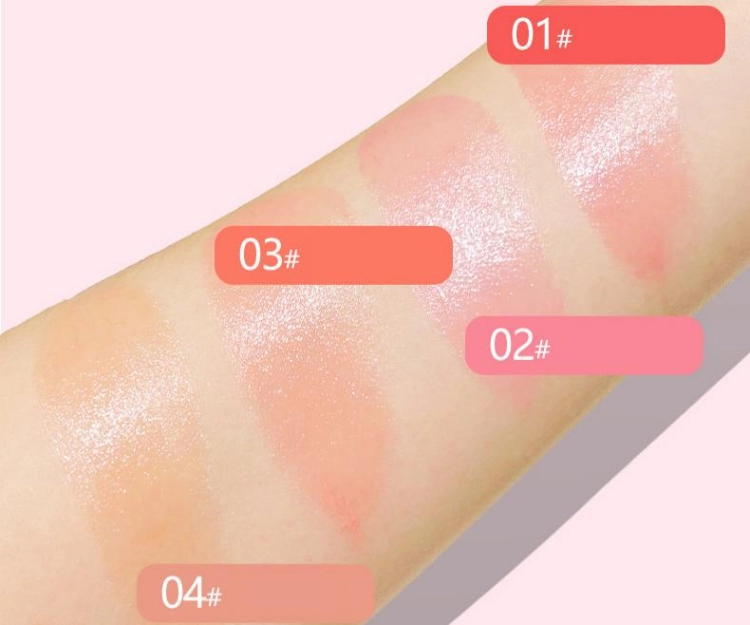
A blush designed for fingertip tapping may look patchy if a consumer presses it with a dry, dense brush. A stick meant for a light cheek swipe can disturb a foundation that has not fully set. The أحمر خدود وشفاه جيلي ملون is a relevant format reference because a multi-use stick must be checked for direct application, finger transfer, and blending at the cheek. Test each method rather than assuming the same sample will behave identically with every tool.
Build A Base Compatibility Sample Panel
A sound sample panel is small enough to repeat and broad enough to expose conflicts. Include the planned foundation finish, the intended primer route if one is part of the brand story, and one meaningful alternate base. Apply the same amount of foundation, leave the same set time, then use a fixed amount of blush. Record the result after tapping, brush blending, and a direct stick pass where relevant. Photos should show initial application, fifteen-minute appearance, and wear after normal facial movement.
Look for four separate outcomes: color loss, foundation lift, rolling residue, and migration beyond the intended cheek area. A sample can pass three and fail one. That is more useful than calling it generally compatible. It also keeps the conversation honest when the preferred glow level conflicts with a very matte, fast-setting base product.
For a powder-versus-cream comparison, the أحمر خدود بودرة مطفي 2 في 1 provides a precise alternative product direction. Powder is not inherently better; it has its own pickup, adhesion, and patchiness risks. Still, a matte powder can help a brand decide whether a cream is meant to carry the full cheek-color story or sit beneath a light powder layer for a more set finish.
Separate Formula Wear From Application Error
Not every lifted base means the blush formula is wrong. A test should compare light tapping with rubbing, a soft brush with a dense brush, and a base that has set with one applied too soon. If the blush only lifts under firm rubbing, the claim boundary and application guidance may matter more than a formula change. If it lifts under gentle tapping on a properly set base, the team has a stronger reason to investigate the carrier, structure, pigment dispersion, or interaction with the foundation film.
The same discipline applies to cream blush fading. Check a fresh blend, a short wear interval, oil-contact behavior where it matches the product brief, and the appearance after a normal touch-up. Do not convert an arm result into an all-day claim. Wear depends on the shade, skin condition, base makeup, amount used, and application method. The right buyer request is a documented sample comparison, not an unsupported performance number.
Approve The Formula And Pack As One Product
Component choice can change the way a cream reaches the face. A twist-up blush stick needs a stable bullet, clean advance, cap clearance, and a surface that does not become messy after repeated use. The L&J Cosmetics blush stick has a 3.5 g twist-up format with buildable color, multiple shade options, and customization for color, packaging, and printing. Its stated up-to-eight-hour and transfer-resistant positioning is a useful claim direction to test in the final sample, not a blanket result to copy into a new launch.
Packaging review belongs beside formula approval. Project OEM material calls for packaging-material samples to be checked before mass production, where leakage or component quality can affect the finished product. For a cream or stick blush, add cap fit, component cleanliness, fill appearance, and the application surface to the same review. A smooth formula in a laboratory cup has not yet passed the buyer’s actual product test.
في وقت لاحق من المشروع، لوج جمستحضرات التجميل can support OEM/ODM discussions around blush format, shade matching, packaging, printing, and sample confirmation. L&J Cosmetics has worked in color cosmetics since 2008 and covers face, eye, lip, nail, brow, and remover categories. The useful supplier conversation starts with a clear base-compatibility brief, then follows each adjustment through the final component rather than approving a pleasant bare-skin swatch.
أسئلة متكررة
Q1: Why does cream blush fade faster over foundation than on bare skin?
A1: The blush is interacting with a moving base film, skin oil, powder, and the application method. Test the same shade over the intended foundation before changing pigment level or making a long-wear claim.
Q2: What is the difference between cream blush lifting and pilling?
A2: Lifting removes or exposes the foundation beneath. Pilling creates rolled residue. Both can involve formula and technique, but they should be recorded and tested as separate failures.
Q3: Can a blush stick be tested only with a finger application?
A3: No. A stick should be checked for its intended direct swipe, fingertip transfer, and any brush or sponge method used in the brand guidance.
Q4: Should a private label blush sample be tested over more than one foundation?
A4: Yes. Use the planned foundation route and at least one meaningful alternate base. This reveals whether compatibility depends on finish, set time, or application pressure.
Q5: What should be approved before a cream blush moves to bulk production?
A5: Approve shade, payoff, application feel, fading and lifting behavior on the intended base, final component fit, packaging cleanliness, and agreed claim boundaries.