
مجموعات المكياج أحادية اللون: كيفية الحصول على لون واحد للعيون والشفاه والخدود
تُباع مستحضرات التجميل أحادية اللون لأنها تُزيل مشكلة بسيطة ولكنها حقيقية تواجه المتسوقين: وهي تنسيق الألوان على كامل الوجه. فبإمكان لون واحد ناعم، كالوردي أو الخوخي أو التوتي أو النيود أو البني الدافئ، أن يُوحّد لون العينين والشفاه والخدين بسهولة. بالنسبة لعلامات التجميل، لا يعني هذا أنه يُمكن وضع تركيبة واحدة في ثلاث عبوات وتسميتها "مجموعة". فمجموعة مستحضرات التجميل أحادية اللون القابلة للبيع تحتاج إلى نظام ألوان، وقوام متناسق، ومناطق تطبيق آمنة، وتغليف يجعل استخدامها سهلاً. الهدف بسيط ظاهرياً، لكن عملية التطوير دقيقة ومعقدة.
ابدأ بمجموعة ألوان واحدة، وليس بلون واحد محدد.
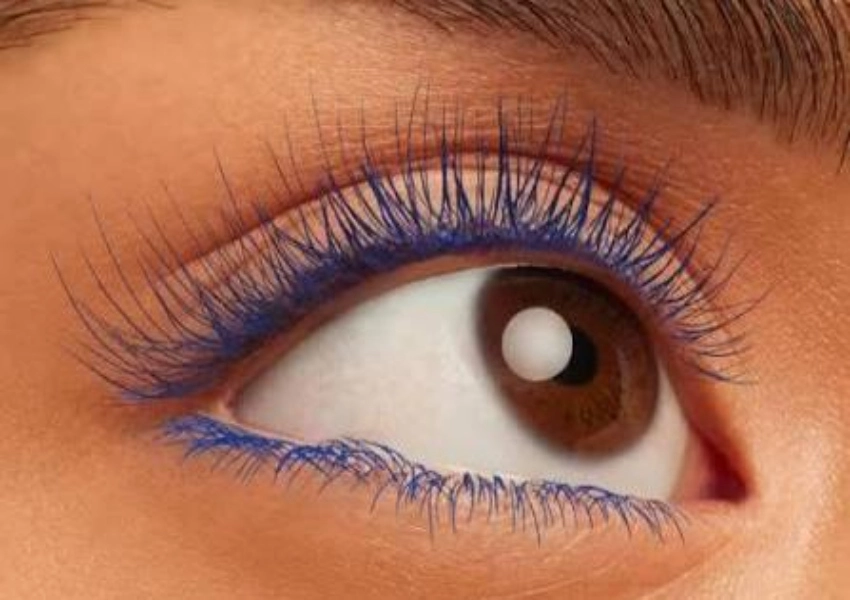
عادةً ما تعمل أفضل مجموعات الألوان الأحادية ضمن نطاق لوني واحد، ثم يتم تعديل درجة اللون وشفافيته حسب منطقة الاستخدام. يمكن أن يكون لون الخدود أكثر نعومة وانتشارًا. قد يحتاج لون الشفاه إلى صبغة أقوى وراحة أكبر على البشرة. يجب أن يكون منتج العيون سهل التوزيع دون أن يتكتل أو يظهر بشكل غير متجانس. إذا استخدمت المنتجات الثلاثة جميعها نفس كمية الصبغة، فغالبًا ما يكون هناك شعور بعدم الارتياح في منطقة واحدة على الأقل.
عند تصميم مجموعة مكياج تحمل علامتك التجارية الخاصة، يُنصح بالتركيز على لون أساسي، ثم ابتكار نسخ منه لاستخدامه كأحمر خدود خفيف، ولون شفاه أكثر كثافة، وغسول خفيف للعين. تشمل مكياج الوجه أحمر الخدود، وبودرة وأقلام تحديد الوجه، وأقلام الإضاءة. أما مكياج العيون فيشمل ظلال العيون، والكحل، والماسكارا، ومنتجات الرموش. من خلال تنويع المنتجات والقوام، تستطيع العلامة التجارية تطوير هوية مميزة لها دون الاعتماد على قوام واحد لأداء جميع الوظائف.
ترجمة اللون حسب منطقة التطبيق
يمكن تحويل لون الورد الدافئ إلى مُلوّن خدود كريمي، أو مُلوّن شفاه ذي لون أكثر كثافة، أو ظل عيون بودرة أو كريمي باهت. قد يحتاج لون الخوخ إلى كمية أقل من اللون الأبيض، خاصةً للبشرة الداكنة. أما لون التوت، فقد يبدو منعشًا على الشفاه، ولكنه قد يبدو أحمرًا جدًا على منطقة العين ما لم يتم تخفيفه. عند اختيار الألوان، يُنصح بتجربتها على الوجه مباشرةً، وعدم الاكتفاء بعينات الألوان في العلبة، لأن نفس الصبغة ستظهر بشكل مختلف على الجفون والشفاه والخدود.
اختر التنسيق المناسب متعدد الاستخدامات
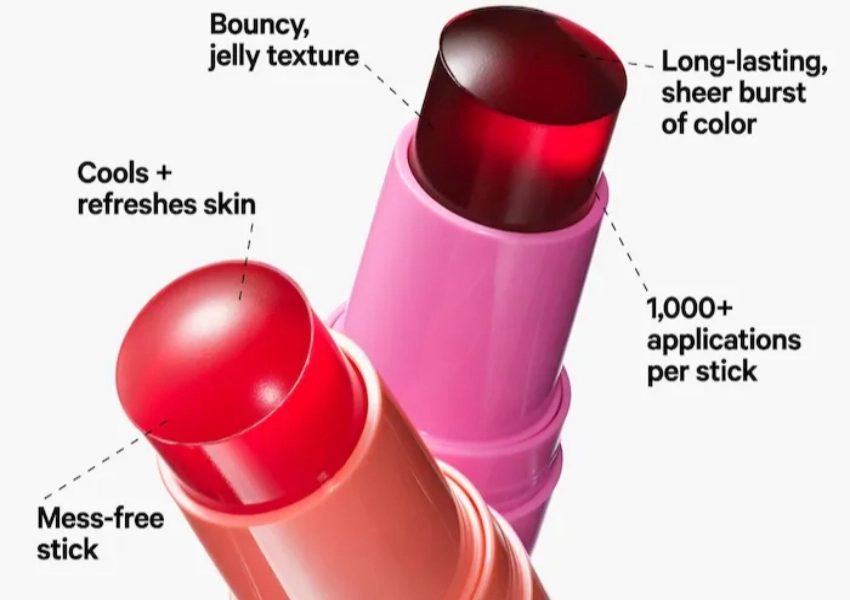
A أحمر خدود وشفاه جيلي ملون يُعدّ هذا المنتج خيارًا مثاليًا لروتين سريع أحادي اللون، إذ يدعم اسمه وتصميمه استخدامه على الشفاه والخدود. كما أن قوالب الكريم سهلة الحمل، وتقلل الفوضى، وتجعل شرح الروتين في مواد التسويق أمرًا بسيطًا. ويجب أن تتمتع هذه القوالب بتوازن مثالي بين سهولة الانسياب، وثبات اللون، وسرعة الجفاف. فالانسياب الزائد قد يُزيل كريم الأساس، بينما قد يُسبب التماسك الزائد جفافًا على الشفاه.
تقدم شركة L&J Cosmetics بلسم أحمر خدود مطفي يمكن استخدامه على العينين والخدين والفم، وهو عبارة عن معجون مقاوم للماء، بوزن 19 غرام، ومتوفر بألوان الوردي والبرتقالي والأحمر. هذا النوع من المنتجات ذو قيمة لـ أحمر خدود سائل يُظهر التخطيط نوع الاستخدام الذي قد يرغب المشترون في بناء علامتهم التجارية عليه. وثمة خيار آخر يتمثل في أحمر خدود كريمي بألوان غنية، وتصميم برأس مستدير، ودرجات لونية مثل الأحمر الوردي، والوردي، والأحمر، والوردي الفاتح، والبرتقالي، والبرتقالي الداكن. يُغير الشكل من الأمر شيئًا: فالبلسم يُعطي شعورًا بالسهولة بمسحة واحدة، بينما يُعطي الكريم شعورًا بأنه مُصمم خصيصًا لخبراء التجميل.
لا تبالغ في ادعاءات استخدام تركيبة معينة
لا ينبغي بيع جميع منتجات الخدود للاستخدام على العينين والشفاه. فلكل منطقة استخدام متطلباتها الخاصة من حيث الراحة والسلامة. قد تُسبب تركيبة مناسبة للخدود جفافًا للشفاه، وقد تتكتل تركيبة الشفاه اللامعة على الجفون. لذا، يُنصح باستخدام مجموعة منتجات تجمع بين منتجات متناسقة من نفس فئة اللون بدلًا من استخدام تركيبة واحدة في كل مكان.
تركيبة متوازنة للعينين والشفاه والخدين
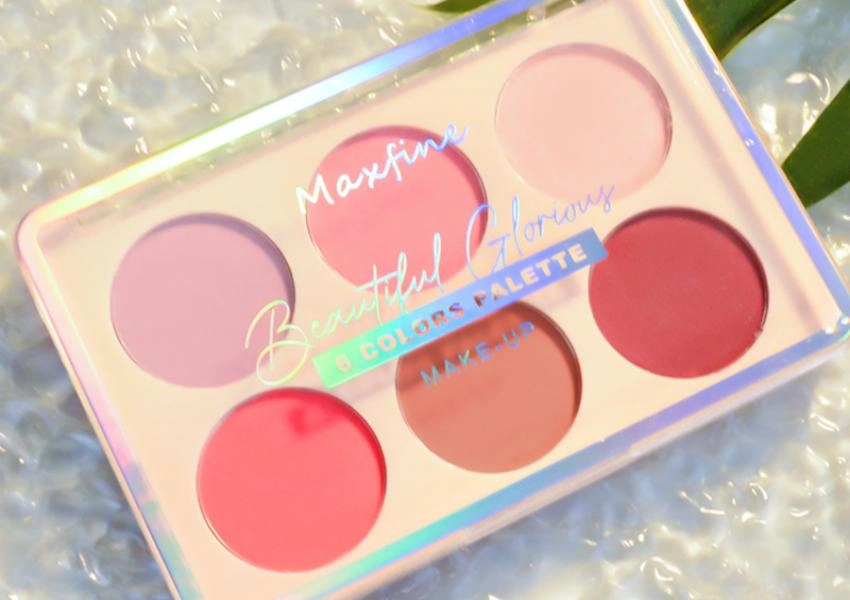
يكمن سر نجاح أو فشل مجموعات المكياج أحادية اللون في قوامها. تحتاج الخدود إلى وقت كافٍ للمزج لأن الزبائن يضعونها فوق مكياج الأساس. تحتاج الشفاه إلى الراحة والثبات ولمسة نهائية لا تتكتل عند الخطوط الدقيقة. تحتاج العيون إلى لون خفيف ومقاومة للتجاعيد. كريم مرطب لأحمر الخدود يمكن استخدامه لإطلالة ندية للخدود، ولكن قد يحتاج نفس الملمس الكريمي إلى تعديل إذا أرادت العلامة التجارية استخدامه للعين. أما تركيبات البودرة فهي مختلفة تمامًا. يوفر أحمر الخدود الناعم الضبابي من L&J Cosmetics لونًا بودرة طبيعيًا ومتجانسًا، ويمكن استخدامه أيضًا لرسم ظلال العيون، مما يجعله مناسبًا لإطلالة ناعمة للعينين والخدود.
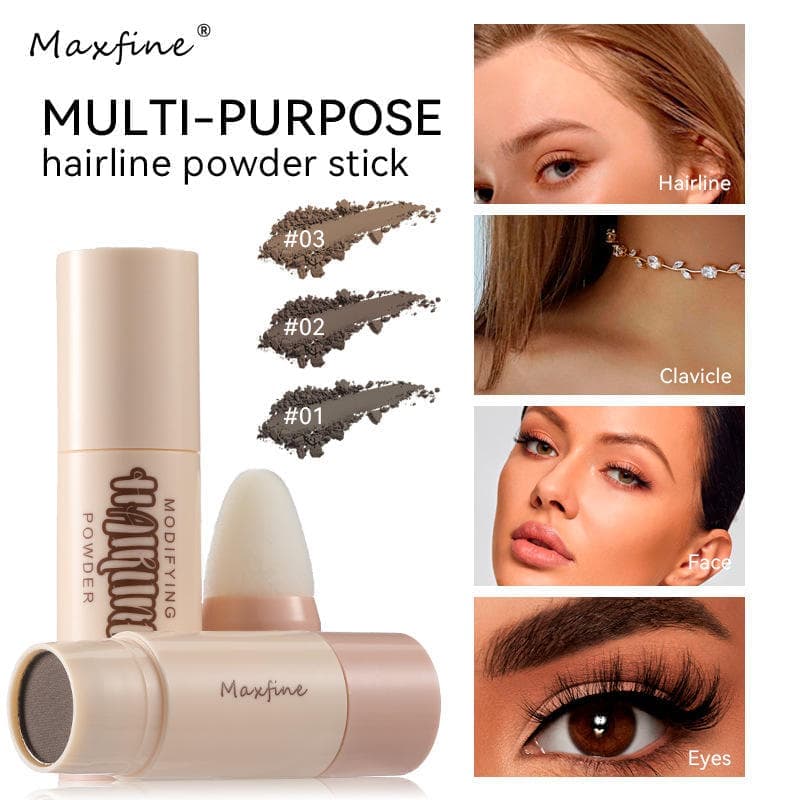
بالنسبة لعصا المكياج متعددة الاستخدامات، ينبغي لفريق التطوير اختبار كيفية تفاعلها بعد تمريرها عدة مرات. هل تزيل كريم الأساس؟ هل تتكتل الصبغة حول حافة الشفاه؟ هل تجف بسرعة كبيرة على الخدين الجافين؟ تبدو عيوب الملمس الصغيرة أكبر لأن المنتج يُستخدم في أكثر من موضع. تتطلب العينات الجيدة من المستخدمين تطبيق المنتج بالأصابع، مباشرة من العصا، وباستخدام فرشاة أو إسفنجة.
يتطلب مستوى الصبغة ثلاث عمليات فحص
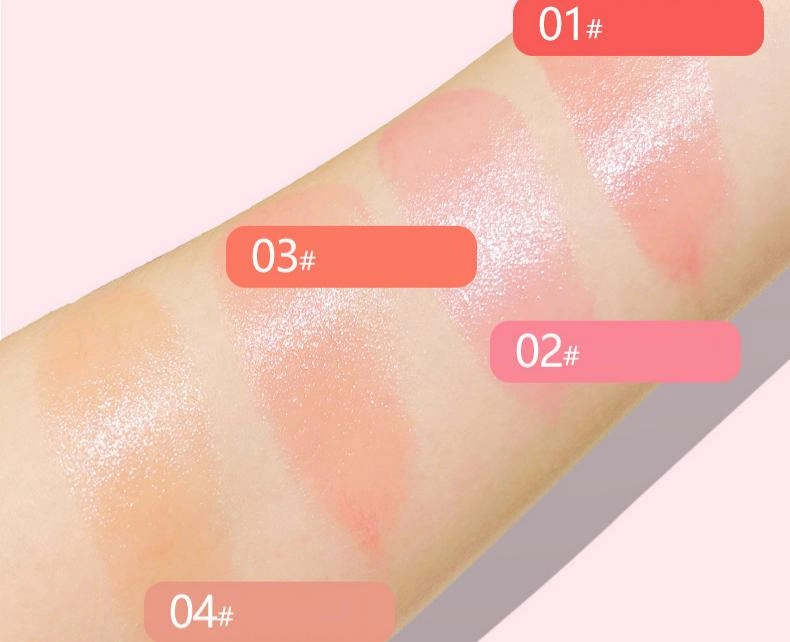
يجب اختبار نفس الدرجة اللونية عند تمريرها بالكامل، ودمجها على كامل الخدين، ووضعها برفق على العينين. يُعدّ ثبات اللون العالي ميزةً مهمةً في ظلال العيون، وتتميز منتجات L&J Cosmetics بظلال عيون أحادية اللون ذات ملمس يشبه البطاطس المهروسة ولون قوي وواضح. أما منتجات الخدود، فغالباً ما تحتاج إلى لون قابل للتكثيف بدلاً من لون قوي فوري. تبدو المجموعة أكثر فخامةً عندما تتشارك جميع منتجاتها نفس درجة اللون مع مراعاة طريقة استخدامها.
توافق التغليف جزء من موجز التركيبة
تتضمن مجموعات المكياج أحادية اللون عادةً عدة عبوات: عصا، أو علبة، أو علبة، أو أنبوب، أو علبة مضغوطة. يجب أن تكون العبوة سهلة الحمل والاستخدام، كما أن توافقها مع مستحضرات التجميل الأخرى يُساعد على الحصول على مظهر متناسق. يجب أن يتناسب المكون أيضًا مع تركيبة المنتج. قد ينكسر بلسم ناعم في عصا رفيعة إذا كانت بنيته ضعيفة جدًا. قد يُعرّض أحمر الخدود الكريمي في عبوة زجاجية كمية أكبر من التركيبة للهواء. يحتاج مُلوّن الشفاه في أنبوب إلى تحكم في المسح وإحكام غلق الغطاء.
يجب فحص مُلوّن الشفاه والخدود للتأكد من عدم وجود تعرّق، أو بقع حول الغطاء، أو انكماش التركيبة، أو تغيّر الرائحة بعد التخزين. أما المنتجات البودرة أو المخبوزة، فيجب فحصها للتأكد من عدم سقوطها أو التصاقها بالعلبة. أحمر خدود بودرة مطفي 2 في 1 يُتيح هذا الخيار للمشتري إمكانية الحصول على منتج مُدمج يُناسب الخدين والعينين، بدلاً من كريم الأساس ذي القوام الكريمي. ولا يقتصر اختيار أحد هذين الشكلين على التصميم فحسب، بل يؤثر أيضاً على ثبات المنتج، ووزنه، وسهولة استخدامه، وطريقة تغليفه للشحن.
كيفية بناء مجموعة أدوات ذات علامة تجارية خاصة حول مظهر واحد
تبدأ مجموعة مستحضرات التجميل الخاصة الناجحة بمخطط ألوان الوجه الأساسي. ينبغي على العلامة التجارية اختيار اللون الذي يناسبها أولاً: لون نيود نقي، أو خوخي مشمس، أو توتي فاتح، أو وردي هادئ، أو بني دافئ. ثم يُخصص لكل تركيبة دورها. يمكن أن يكون منتج العيون عبارة عن ظلال عيون خفيفة، ومنتج الخدود قلمًا أو كريمًا، ومنتج الشفاه لونًا أكثر ثباتًا أو راحة. هذا يخلق إطلالة متكاملة دون أن تبدو المجموعة متكررة.
في مراحل لاحقة من عملية الشراء، يصبح دعم مصنعي المعدات الأصلية/مصنعي التصميم الأصلي أمراً بالغ الأهمية. L & J مستحضرات التجميل تأسست الشركة عام ٢٠٠٩، ويعمل بها أكثر من ١٥٠ موظفًا، وتدير قاعدة إنتاجية تزيد مساحتها عن ٢٠,٠٠٠ متر مربع. وهذا أمر بالغ الأهمية لمشروع مجموعة أدوات، إذ يجب أن تتكامل فيه جميع مراحل الإنتاج، من مطابقة الألوان واختيار التغليف إلى جولات اختبار العينات وفحوصات الجودة الشاملة. فوجود عنصر واحد غير متطابق قد يُفقد المجموعة بأكملها تناسقها.
الموافقة على المجموعة كإجراء روتيني
لا ينبغي أن يقتصر التقييم على عينات المنتجات المنفصلة. اختبر المجموعة بشكل روتيني على عدة ألوان بشرة. تأكد من أن لون ظلال العيون لا يبدو باهتًا، وأن أحمر الخدود لا يؤثر على كريم الأساس، وأن ملمس الشفاه مريح بعد ساعة، وأن أحجام العبوات متناسقة. لن تشعر الزبونة بالراحة عند وضع المكياج أحادي اللون إلا بعد مراعاة هذه التفاصيل مسبقًا.
أسئلة متكررة
س1: هل يعني المكياج أحادي اللون نفس التركيبة تماماً للعيون والشفاه والخدود؟
ج1: ليس دائماً. تستخدم العديد من مجموعات الألوان القوية نفس درجة اللون عبر تركيبات متعددة لأن كل منطقة من الوجه تحتاج إلى ملمس وراحة وسلوك ثبات مختلف.
س2: ما هو اللون الأول الأكثر أمانًا لمجموعة مكياج تحمل علامة تجارية خاصة؟
A2: عادةً ما يكون بيع درجات الوردي الفاتح والخوخي والوردي النيود والبني الدافئ أسهل لأنها تناسب المزيد من الإطلالات اليومية ويمكن تعديلها لتناسب درجات ألوان البشرة المتعددة.
س٣: هل يمكن أن يحل قلم المكياج متعدد الاستخدامات محل المنتجات المنفصلة؟
ج3: يمكن أن يدعم روتينًا بسيطًا، خاصة للشفاه والخدود، ولكن يجب أن يكون استخدام العين مدعومًا بملاءمة التركيبة واختيار الصبغة وفحوصات الامتثال للسوق.
س4: ما الذي يجب على العلامات التجارية اختباره قبل الموافقة على صبغة الشفاه والخدود؟
A4: اختبار وقت المزج، واللون بعد الجفاف، وراحة الشفاه، وثبات الخدين فوق كريم الأساس، والتلطيخ، ونظافة الغطاء، وثبات التخزين قبل الإنتاج بكميات كبيرة.
س5: كيف يمكن لشركة L&J Cosmetics دعم مشروع مجموعة أدوات أحادية اللون؟
A5: يمكن لشركة L&J Cosmetics دعم تطوير الألوان، واختيار التركيبة، ومناقشة التعبئة والتغليف، وجولات العينات، والتخطيط المنسق للمنتجات للعلامات التجارية التي تبني العيون والشفاه والخدود حول مظهر واحد.