
Cream Blush vs Powder Blush: Evaluating Texture, Finish, and Longevity
The chemistry behind cream blush and powder blush determines not only their texture but also how they interact with different skin types and makeup bases. Both formulations share the same goal—to brighten the complexion and enhance facial dimension—but achieve it through distinct ingredient systems. Brighten your complexion: By neutralizing dull skin tone with color, you can make your face look more energetic even without makeup. Applying blush can make you look more rosy, healthy, and energetic.
Composition and Base Ingredients
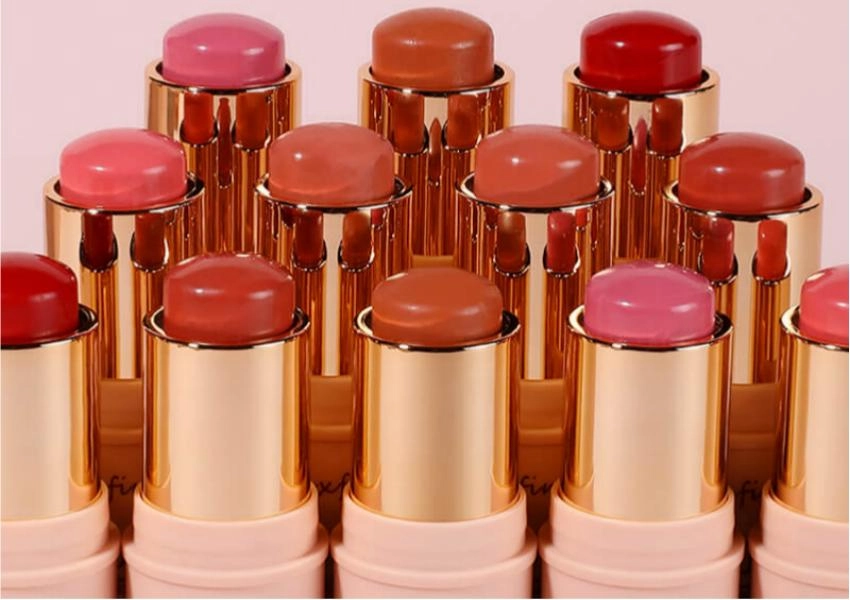
Cream blushes are usually made of emollients, waxes, and oils. These ingredients give them a soft consistency that is great for blending. Cream blush has the benefit of long-lasting application, which allows it to stay in place all day. Its moisturizing texture makes it a good choice for both dry and mature skin. You can also use it to create a moisturizing effect and add contour. This offers a lot of versatility. This hydrating base lets the cream blush melt into the skin. The result is a seamless finish. A perfect example is our creamy blush stick. It features a round-headed design for easy application and delivers rich color payoff.
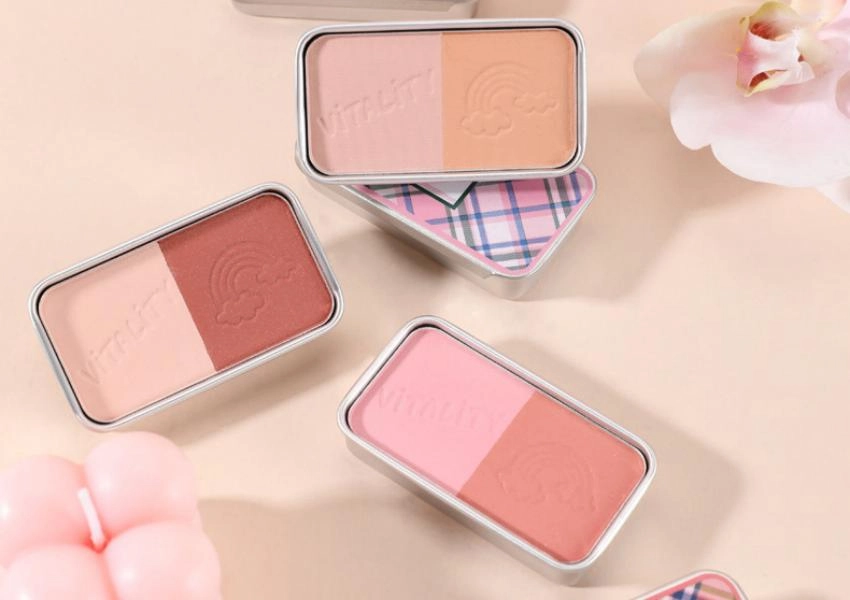
Powder blushes, in contrast, rely on finely milled pigments suspended in talc or silica matrices. Powder blush is easy to apply and lasts long. It’s suitable for all skin types, especially dry ones. The shade of powder blush is easily controlled, and the intensity can be adjusted to suit personal preference and the desired look. Our 2-in-1 matte powder blusher exemplifies this formula by providing smooth diffusion with excellent longevity.
Texture and Finish Characteristics
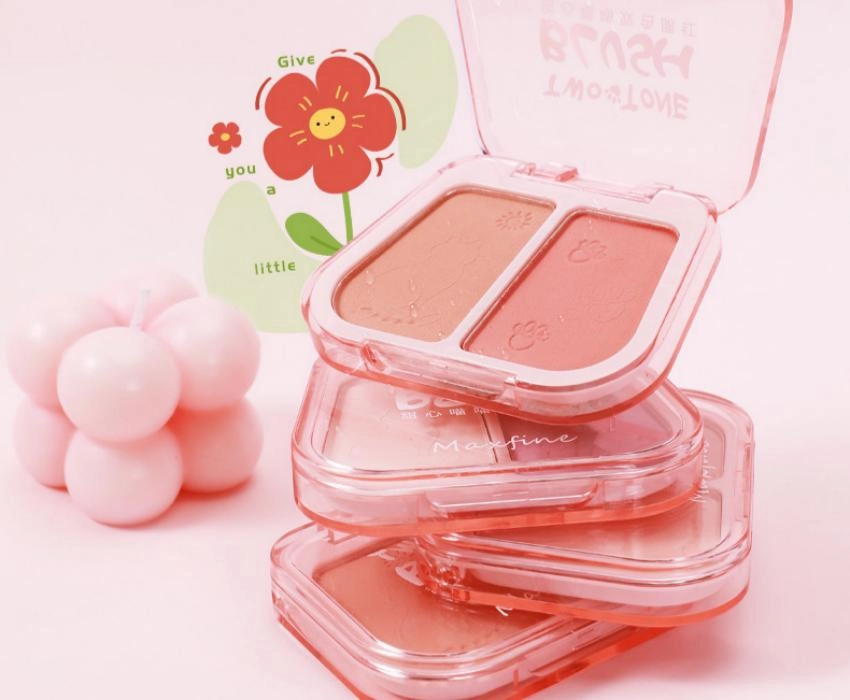
The tactile difference between cream and powder formulations defines their visual outcome on skin. Cream blush produces a luminous finish that mimics natural radiance; its dewy texture enhances youthful vitality. Meanwhile, powder blush offers a soft-focus effect that minimizes pores and refines texture. Matte powders can neutralize facial shine and reduce the uneven refraction of light, thereby partially concealing pores and making skin appear more refined and smooth. For artists seeking buildable matte results, our two-tone blush powder provides dual shades that blend effortlessly for dimensional control.
How Do Application Techniques Influence Professional Results?
Application tools control how pigment mixes with base products like foundation or primer. Professionals switch between fingers, sponges, or brushes. Their choice depends on the desired diffusion levels.
Tools and Methods for Optimal Results
Cream blushes respond best to warmth from fingertips. They also work well with damp sponges. These tools help mix the oils within the product for an even spread. Brushes with synthetic bristles also allow for exact placement. You can use them along the cheekbones or temples. In contrast, fluffy natural-hair brushes are great for powder formulas. They spread the pigment slowly without leaving patchy spots. Professionals often mix both media, and they layer cream beneath powder. This technique adds depth under the bright lighting found in photography or bridal work.
Layering Strategies in Complexion Work
Smart layering turns finish control into an art form. Applying cream blush under foundation gives a subtle glow. This glow looks like it comes from within rather than sitting on top. To make the makeup last longer, artists might set cream layers using matching powder hues. This hybrid method boosts durability. At the same time, it keeps the glow going across long events or in humid environments.
How Does Each Formula Perform Across Different Skin Types?
Skin type compatibility is very important when choosing between cream blush and powder blush. This is because oil production directly affects how well the makeup sticks.
Compatibility with Different Skin Conditions
Cream blush is great for dry to normal skin because of its hydrating base. Its moisturizing makeup stops flaking on dry areas. It also adds softness while you wear it. Conversely, powder blush suits oily or combination skin types. On these skin types, extra oil might mess up creamy textures. The oil-absorbing nature of powders keeps things stable under heat or sweat exposure. Professional artists often make custom mixtures. They combine the moisture retention of cream with the staying power of powder, which helps them adapt formulas to meet client needs during photo sessions or outdoor shoots.
Longevity and Wear Behavior Under Varying Conditions
Environmental factors greatly change how products perform. Cream formulations might fade faster in humid climates. However, they stick much better in cooler environments. In contrast, powder formulations resist breaking down from heat. Yet, they can highlight texture on dry skin. Making adjustments with primers or setting sprays helps fix these problems, which keeps the pigment looking good over time.
How Do Pigment Payoff and Finish Control Affect Artistic Expression?
The science of pigment spreading controls visual brightness, and it also affects how easy the product is to blend during application.
Pigment Dispersion and Blendability Factors
Cream pigments tend to appear more saturated initially but blend into a sheer veil upon diffusion. Their binder-rich structure ensures even coverage without streaking. Meanwhile, powder pigments build gradually, allowing precise control over intensity levels during application. Binder selection directly impacts oxidation resistance—critical when maintaining color fidelity under studio lighting.
Finish Manipulation Through Layering and Product Pairing
Skilled artists change finishes by mixing media. Mixing cream formulas with liquid highlighters boosts the see-through effect. Dusting clear powders over bright shades softens the edges, which also locks the color in place. Using pairing techniques, like applying setting sprays after powder, smooths the surface texture. Yet, it still keeps the brightness. This balance is necessary for HD filming situations.
What Are Practical Considerations When Building a Professional Kit?
Beyond just looks, practical details matter a lot. Things like portability, keeping things clean, and shelf life guide the choice of products for professional kits.
Portability, Sanitation, and Shelf Life Factors
Cream products need airtight packaging, which stops germs and keeps them from drying out over time. They require the use of a spatula for clean transfer during sessions with many clients. Conversely, powder products offer a longer shelf life. However, they need careful handling to stop them from breaking during travel. Regular cleaning of the surface ensures safe reuse, which prevents the risk of spreading germs, which is a vital standard in professional productions.
Selecting Between Formulas for Specific Makeup Contexts
Each medium serves distinct artistic purposes: editorial photography favors creams due to their capacity for natural light reflection; stage performances prioritize powders because of endurance beneath intense illumination. Hybrid layering—cream base topped by powder—combines both benefits by maximizing adhesion while retaining radiance throughout extended wear cycles.
About L&J Cosmetics
L&J Cosmetics is a dedicated innovator focused on professional-grade face products. These products are made using advanced formulation science. Our skills cover many areas of complexion enhancement, which includes foundations, highlighters, contour lines, and multi-texture blushes. They are designed to adapt to global markets. Every product goes through strict quality testing. This ensures reliable results from studio applications to retail stores worldwide. Through ongoing research at L&J Cosmetics, we blend art with technology. We aim to empower makeup professionals who need exact performance in any situation. If you have questions about partnerships or product customization options for your brand, we invite professionals to contact us on our platform.
FAQ
Q1: Which formula offers better longevity—cream blush or powder blush?
A1: Powder formulas usually last longer than creams in warm conditions because they do not melt easily. However, creams stick better in cooler weather when you layer them right with setting techniques.
Q2: Can I mix cream blush with other liquid products?
A2: Yes. Mixing cream textures with liquid highlighters adds a beautiful glow. It also keeps the product flexible across many different skin undertones.
Q3: How should professionals sanitize cream-based products?
A3: You should always take the product out using clean spatulas instead of tools that touch the skin directly. This step keeps the products pure in shared kits over many uses.
Q4: Are matte powders suitable for mature skin?
A4: Matte powders do a good job of cutting down shine. However, you should pair them with hydrating primers. This stops them from highlighting fine lines that are common on mature skin.
Q5: What is the best way to achieve multidimensional color payoff?
A5: You can layer a thin film of cream under matching powder tones. This method mixes the glow from the creams with the clear shape from the powders. It gives a balanced and bright look in different lighting setups.