
Functional Nail Polish vs Water-Based Nail Polish: Durability and Wear Resistance Study
The evolution of nail coatings has led to two major categories dominating professional and consumer markets: functional nail polish and water-based nail polish. Both serve aesthetic purposes but differ significantly in their chemical composition, performance, and environmental impact.
Defining Functional Nail Polish
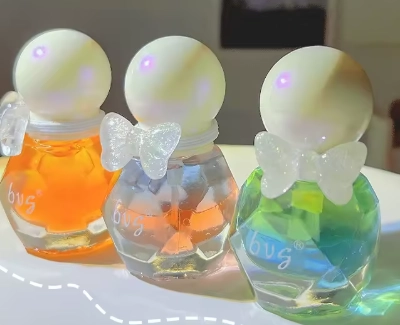
Functional nail polish integrates active compounds that deliver benefits beyond decorative appeal. These formulations often feature polymeric or resin-based systems designed for durability, providing strengthening, repairing, or protective effects on the nail surface. Many professional-grade products use organic solvents like ethyl acetate or butyl acetate to promote fast drying and strong adhesion. This makes functional polishes ideal for salon environments where long wear and mechanical resistance are priorities. For instance, our fruit-scented nail polish exemplifies how sensory experience can merge with environmental responsibility.
What Makes Water-Based Nail Polish Unique?
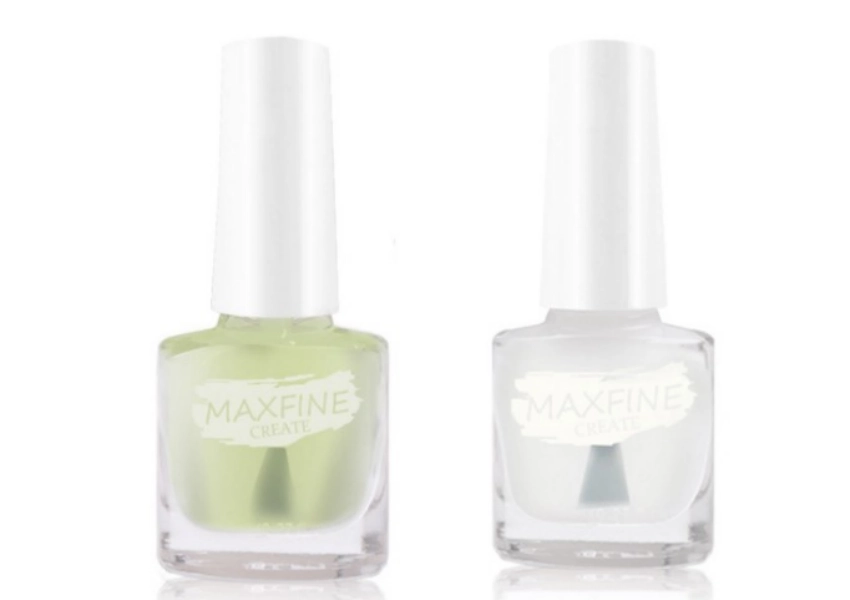
Unlike solvent-based types, water-based nail polish employs water as its main solvent, offering a safer and more sustainable alternative. Water-based nail polish is an environmentally friendly nail polish made with pure water, essential oils, environmentally friendly resins, water-based colorants, and natural pearlescent powder as its main ingredients. It’s gentle on nails. Its formulation minimizes volatile organic compound (VOC) emissions and reduces irritation during application. This gentler composition appeals strongly to eco-conscious consumers seeking hypoallergenic beauty solutions. For instance, our White Nail Polish Base Coat.
Chemical Composition and Formulation Differences
To understand the difference between water-based nail polish and functional nail polish, it is important to look at the solvent systems used in the two products as well as the active ingredients in each.
Solvent Systems and Film Formation Mechanisms
Functional polishes are fast-evaporating, solvent-based polishes that create a film by cross-linking the resin. Water-based polishes, on the other hand, are based on emulsions. In emulsions, the color is dissolved in water, and by evaporation of the water, the particles in the emulsion coalesce into a single film. The gloss and the hardness of the film can be very high when nanotechnology is introduced to enhance the aqueous polishes, but as it is today, most water-based polishes are soft and have a low gloss.
Additives and Active Ingredients Defining Performance
Functional variants of conventional coating systems for nails are supplemented with keratin, calcium, or biotin in order to strengthen and fortify the nails from within. In addition, plasticizers and UV stabilizers are incorporated in order to provide flexibility as well as to prevent color change upon exposure to light. In water-based systems, which consist of an aqueous matrix, the issue of compatibility of additives has to be solved by means of so-called eco-resins, which guarantee adhesion without aggressive auxiliaries. Water-based nail polishes are deposited on the surface of the nails in a horizontal manner and thus allow the nails to ‘breathe.’ This facilitates very comfortable wear and, at the same time, provides excellent colorfastness on the nails.
Performance Characteristics in Application and Durability
Both categories are designed to be long-lasting and be aesthetically pleasing; however, they can be applied in different ways to achieve these goals.
Adhesion Strength and Resistance Properties Compared
Solvent-rich functional polishes exhibit superior adhesion due to resin crosslinking at the molecular level. They resist chipping even under frequent washing or abrasion—features vital for salon-grade manicures like those achieved using professional nail coatings. Meanwhile, water-based coatings may require primers or base coats for optimal adhesion but compensate with easier removal processes that protect natural nails from damage.
Drying Time and Finish Quality in Practice
Functional polishes have fast drying by solvent evaporation and have a glossy finish. They are good for detailed designs. Water-based nail polish also dries fast, as the resin in water-based nail polish is an emulsion-like substance, and it fully cures with humidity in the air. The gloss of polishes can also be made uniform by the particle size distribution of pigment, and many of the recent commercial formulas have high gloss similar to traditional lacquer formulas.
Environmental and Health Considerations
The growing market for sustainable products is bringing attention to the amounts of VOCs and potential allergens found in most nail products.
Impact of Volatile Organic Compounds (VOCs)
Most traditional functional polishes contain VOCs that evaporate with drying of the polish layer to form part of the indoor air pollution. On the other hand, water-based polishes are more eco-friendly and do not irritate the nails and skin and thus comply with low-VOC regulations that are implemented globally. As sustainability professionals at our company, we strive to find sustainable alternatives that still fulfill the expectations regarding the performance of traditional polishes.
Allergenicity and Skin Sensitivity Factors Under Review
Some functional coatings may contain reactive monomers or strong solvents, which may be very irritating to sensitive users. Water-based versions are generally considered to be hypoallergenic and thus may not require similar levels of preservative evaluation through dermatological testing; however, it is still common to find such products on the market designed for use on all skin types. Most water-based nail polishes are easy to remove using soap and water. Thus, there is no need for harsh chemicals, such as most nail polish removers, to be stored in salons, thus reducing the risk of chemical waste.
Market Trends and Technological Innovations
The cosmetics industry is currently undergoing a rapid innovation drive aiming to close the performance gap between solvent- and water-based systems by means of advanced material solutions.
Advances in Polymer Chemistry Driving Nail Coating Evolution
Research has developed so-called hybrid polymers that are extremely strong mechanically but are also water-soluble, i.e., they are sustainable. In addition, by means of nanotechnology, the dispersion of pigments has been improved so that very smooth films with high gloss are created, which also have a long-lasting gloss. These finishes are as durable as common nail polishes and are also not flaking off so easily. Therefore, current developments of surface technological finishes are also sustainable and of professional quality.
Consumer Preferences Shaping Sustainable Product Development
Eco-conscious consumers increasingly demand “5-free” or “10-free” labeled products free from formaldehyde, phthalates, and parabens. Professional salons now balance client health concerns with operational efficiency by adopting low-odor systems that simplify cleanup processes without sacrificing color vibrancy or wear time—values embodied in our advanced collections showcased at L&J Cosmetics.
Comparative Evaluation in Professional Use Contexts
Professionals must evaluate product suitability based on environment type—salon versus home—and maintenance expectations.
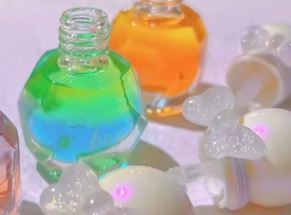
Suitability for Salon vs Home Application Environments Explained
Functional polishes remain preferred in salons requiring long-lasting manicures resistant to daily wear due to superior crosslinking chemistry. However, water-based options appeal strongly to home users valuing quick cleanup, minimal odor, and reduced toxicity exposure during self-application routines.
Maintenance Cycles: Removal Ease Versus Longevity Balance
Solvent-resistant topcoats extend the functional life of the polish to withstand frequent hand washing in institutions of service. The resin in the polish is removable and comes off like a sticker and is easily reapplied to allow casual users to go through many reapplication cycles without the dryness or brittleness caused by repeated exposure to acetone in the removal of other polishes.
About L&J Cosmetics
At L&J Cosmetics, we specialize in developing innovative beauty formulations merging science with sustainability. Our expertise spans advanced polymer chemistry applied within eco-friendly color cosmetics, such as fruit-scented nail polish designed for both professionals and conscious consumers seeking performance without compromise. We continuously refine our product lines through rigorous testing standards, ensuring compliance with international cosmetic safety regulations while promoting environmental stewardship across all production stages. For partnership opportunities or product inquiries regarding our professional-grade offerings tailored for salons worldwide, please contact us through our official website channels.
FAQ
Q1: What is the main chemical difference between functional nail polish and water-based nail polish?
A1: Functional formulas contain organic solvents, like ethyl acetate, for rapid drying, whereas water-based formulas contain emulsified resins dissolved in 100% water—all the while offering very low levels of VOCs.
Q2: Are water-based polishes less durable than traditional ones?
A2: Some improved water-based systems can approach traditional wear performance under suitable base coat use. They have comparable durability to traditional nail polish and are not likely to fall off. Many of the water-based polishes have been enhanced using nanobiotechnology.
Q3. How do environmental factors affect the drying time of a finish?
A3: Humidity influences evaporation rates more significantly in aqueous systems; controlled airflow accelerates curing while maintaining gloss consistency across layers.
Q4: Can professional salons adopt water-based systems?
A4: Yes, modern hybrid polymers now enable salon-level adhesion combined with low odor profiles ideal for enclosed workspaces, prioritizing occupational health compliance.
Q5: What is the best maintenance routine to keep the finish of both types good?
A5: Functional polishes benefit from solvent-resistant topcoats extending wear life; water-based variants require gentler cleaning methods but allow effortless reapplication cycles, enhancing convenience at home-use levels.