
How to Use a Foundation Stick for Quick Touch-Ups Without Caking or Looking Heavy
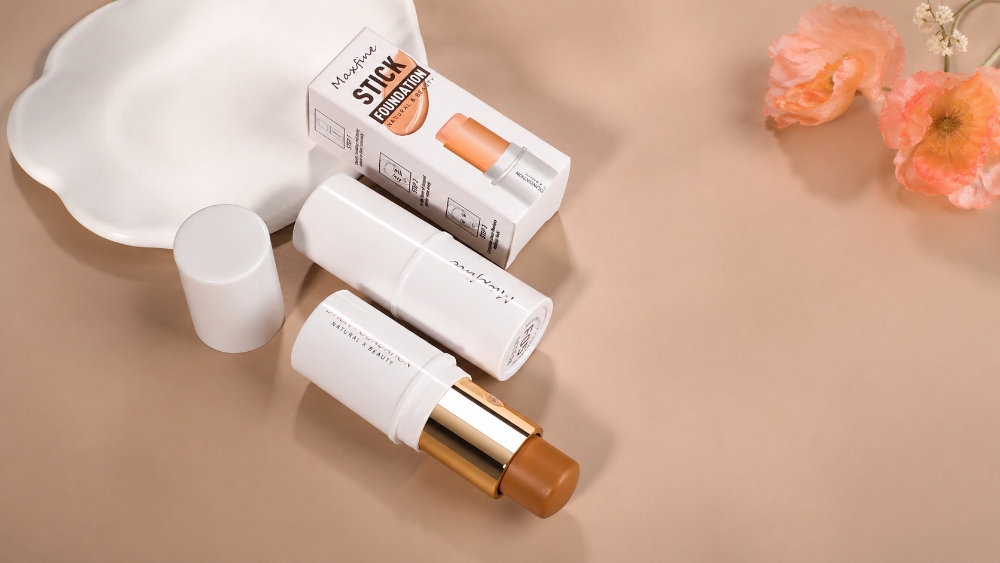
A foundation stick can refresh base makeup when coverage starts to fade during the day. It gives targeted coverage around the nose, mouth, chin, and under-eye area without forcing users to reapply a full face of foundation. The challenge is control. If too much product is layered over oil, dry patches, or old powder, the finish can look thick instead of fresh.
For beauty brands, retailers, and private label buyers, foundation stick makeup should be judged by real use. A good stick needs to blend smoothly, cover small areas, and support a clean finish after touch-ups. The goal is not an overly thick base layer. It is a small correction that keeps the skin comfortable and natural-looking.
Why Foundation Sticks Fit Quick Touch-Up Makeup
Quick touch-up makeup is different from a full morning routine. Most consumers only want to refresh areas where coverage has moved, creased, or faded. A foundation stick for touch ups works well for this because the format allows precise placement.
Targeted Coverage Instead of a Full Base Reset
A stick can be applied only where coverage is needed. Around the nose, it can soften redness. Around the mouth, it can refresh areas where base makeup often breaks down. On the chin or cheeks, it can cover small, uneven patches without disturbing the rest of the makeup.
For B2B buyers, this gives the product a clearer retail angle. Instead of presenting stick foundation only as a full-face base, brands can position it as a portable correction tool for daily wear.
Portable Format for Daily and Travel Use
Consumers who carry makeup outside the home often prefer compact products that are easy to use. A stick format fits makeup bags, travel kits, office touch-up routines, and salon retail displays. For buyers building a wider base makeup line, related foundation products can help connect stick formats with broader complexion needs.
Why Foundation Sticks Can Cake or Look Heavy
A foundation stick is not automatically heavy. Most problems come from using too much product, applying it over poor skin prep, or choosing a formula that does not match the desired finish.
Too Much Product in One Area
Stick formulas often give stronger direct placement than liquid formulas. That is useful for coverage, but it also means users need less product than expected. Several thick lines across the face can quickly create a heavy result.
A better method is to tap or lightly swipe only on the exact areas that need correction. Thin layers create a less cakey foundation result because the formula is built gradually.
Poor Skin Prep Before Touch-Ups
Touch-ups usually happen hours after the first application. Skin may have oil, sweat, a dry texture, or loose powder on the surface. Adding a new product directly over that layer can make the base separate.
Before using a foundation stick for touch ups, users should blot excess oil and smooth any lifted makeup. This helps the new layer blend into the old base instead of sitting on top.
Texture That Does Not Match the Finish
A formula that is too dry may drag on the skin. A formula that is too oily may slide away from the corrected area. For daily correction, cream based makeup should feel smooth enough to blend but stable enough to stay where it is placed.
A creamy texture with controlled coverage supports small-area correction while keeping the finish closer to breathable foundation makeup.
How to Use a Foundation Stick for Quick Touch-Ups
The best way to use a stick foundation is to treat it as a precision tool. It should refresh the base, not bury the skin under another layer.
Step 1: Blot Before Adding Coverage
Press away oil with a tissue or blotting paper, especially on the T-zone, sides of the nose, and chin. Avoid rubbing because rubbing can lift more makeup than needed. Once the surface is calmer, apply a small amount of product.
Step 2: Apply Only Where Coverage Has Faded
Use the stick on specific areas instead of the full face. Small marks around redness, dark spots, or faded areas are easier to blend than broad stripes of product. This approach keeps the final look closer to breathable foundation makeup.
Step 3: Blend the Edges Carefully
Blending should focus on the edge of the product, not the whole corrected area. If users over-blend the center, they may remove the coverage they just added. A fingertip works for small areas, while a brush or sponge may be better for cheeks and chin.
This method is useful for cream based makeup because cream textures can merge with the existing base when handled gently.
Step 4: Set Only Where Needed
A soft matte finish does not require heavy powder all over the face. Set only areas that usually move or shine, such as the sides of the nose, around the mouth, or the chin. This keeps makeup clean while avoiding a flat, dry finish.
For buyers building a matte foundation makeup line, this point matters. Consumers often want shine control, but they still expect comfort and skin-like texture.
How to Keep the Finish Soft Matte, Not Flat
Modern matte makeup should look smooth, not dry. A daily base does not need to erase every mark. Thin layers let users adjust coverage without losing dimension, while some natural texture makes the result more wearable in daylight.
Matte foundation makeup works best when the product covers visible unevenness without making the face look overly powdered. Brands should focus on smoother-looking coverage, soft matte finish, and daily wear rather than absolute promises.
Product Example: A Portable Stick for Targeted Coverage
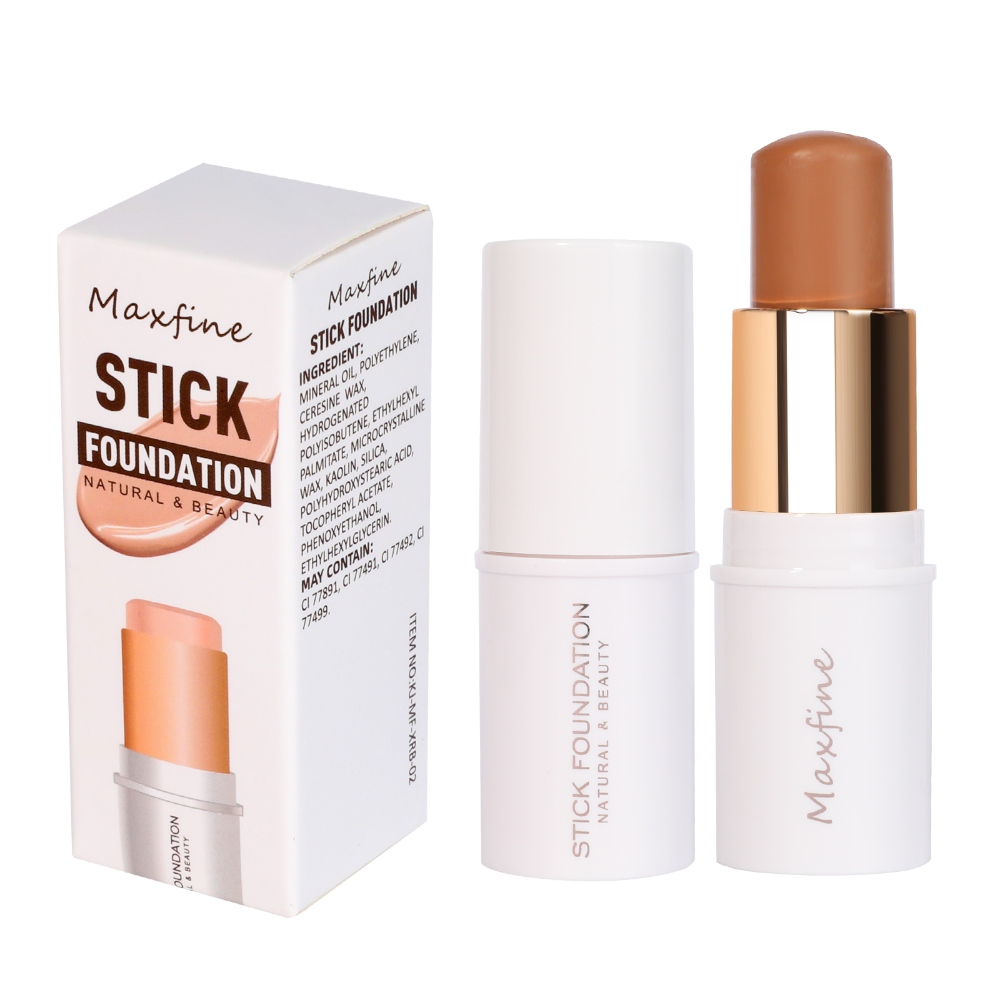
For brands developing portable base makeup, Foundation Stick is a relevant example. It is designed for on-the-go application, buildable coverage, and quick touch-ups. Its creamy, blendable, non-caking texture supports small corrections without making the base look overly thick.
The Maxfine stick foundation model is KJ-MF-XRB-02, with a net weight of 8.5g, six color options, and a size of 2.7×2.7×7.2 cm. These details make it suitable for brands evaluating portable base makeup formats, shade planning, and retail-friendly product size.
At L&J Cosmetics, we look at this type of product through the full use case: texture, shade direction, packaging, and daily consumer behavior. For foundation stick makeup, the question is not only whether the formula covers. It is whether the product can support easy correction in real routines.
What B2B Buyers Should Check Before Choosing a Foundation Stick
A clean swatch is not enough. Buyers should test how the product performs over old makeup, on textured areas, and after light setting powder.
Texture and Coverage Control
The formula should glide without dragging and blend without disappearing too quickly. Buildable coverage is more useful than maximum coverage alone because it supports light correction, medium coverage, and small-area layering.
Shade Range and Market Fit
Shade range should match the target market. Six color options can support different needs, but brands should still test undertone, depth, and finish before launch. Product teams should avoid assuming one shade system fits every region.
Packaging for Retail and Routine Use
A portable foundation stick needs to fit makeup bags, retail displays, and travel use without feeling bulky. Packaging comfort can affect both first purchase and repeat use, especially in private label projects.
Conclusion
A foundation stick is most valuable when it helps users make small corrections without adding a heavy layer. The right product should be creamy, controlled, portable, and easy to blend. It should support targeted coverage, soft matte correction, and daily touch-ups while keeping the skin comfortable.
For beauty brands planning a private label foundation stick or portable base makeup line, the next step is to review texture, shade range, packaging, and sampling needs together. To discuss product direction or customization, share your base makeup project with our team.
FAQ
Q:Can foundation stick makeup be used for quick touch-ups during the day?
A:Yes. It works for targeted correction around the nose, mouth, chin, and other faded areas. Thin layers usually look cleaner than full-face reapplication.
Q:How can a foundation stick avoid looking cakey?
A:Blot oil first, apply only where needed, blend the edges carefully, and avoid too much product over dry or textured areas.
Q:Is a foundation stick suitable for matte foundation makeup?
A:Yes, if the formula is creamy, blendable, and not overly dry. It can support a soft matte finish without making skin look flat.
Q:What should brands check before choosing a private label foundation stick?
A:Brands should review texture, blendability, shade range, coverage control, wear performance, packaging comfort, and quick touch-up performance.
Q:Is cream based makeup good for daily base routines?
A:Cream based makeup can work well when it spreads smoothly, blends cleanly, and lets users control coverage in small areas.