
How Beauty Brands Should Choose Mascara Brush Types for Length, Curl, and Volume
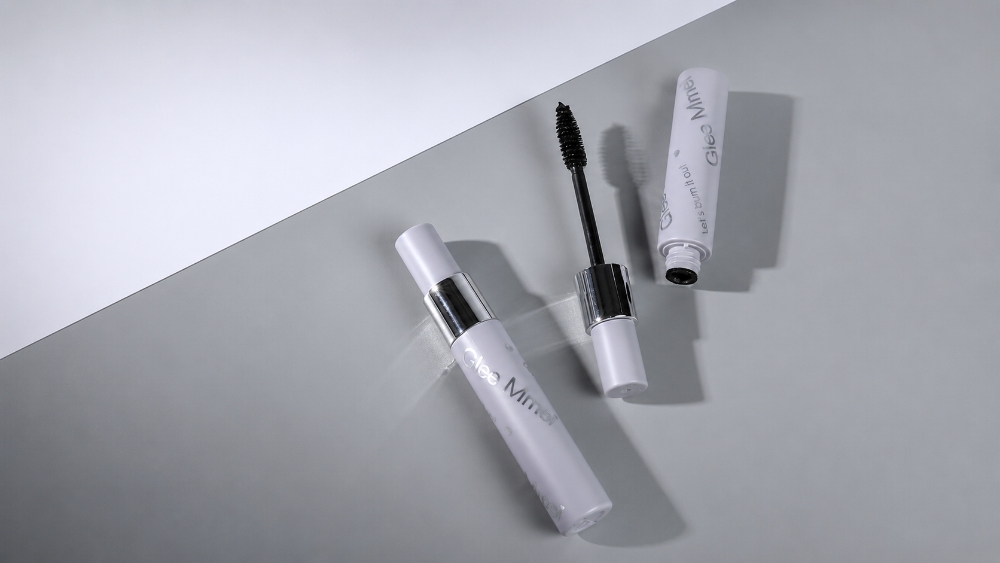
Mascara performance depends on more than a black shade or a waterproof claim. For beauty brands, brush design controls formula pickup, lash separation, curl support, volume, and wear comfort. The same formula can look natural, clumpy, dramatic, or lightweight when paired with different mascara brush types.
A volume mascara needs stronger coating power. A lash lengthening mascara needs cleaner separation and tip extension. Curling depends on brush curve, formula weight, drying speed, and film support. For B2B buyers, the right choice should match the target user, product promise, and retail channel.
Why Mascara Brush Types Matter
Brush type shapes how consumers judge the product after the first few uses. A mascara can have strong color and attractive packaging, but if the brush applies too much product or fails to separate lashes, user feedback may still be weak.
Product Pickup
Brush size, bristle density, and wiper control decide how much formula reaches the lashes. Dense brushes often create fuller lashes because they hold more product. Slim brushes usually give more control and separation. Curved brushes can follow the lash line and support lift.
This makes mascara brush types a sourcing issue, not only a design choice. A natural daily mascara, a dramatic lash product, and a lower-lash detail product should not rely on the same brush logic.
Final Lash Effect
A bigger brush may help create volume, but it can also overload the roots. A slim brush may not create strong drama, but it can keep lashes defined. A comb-like brush can reduce clumps, while a curved brush can help straight lashes look more lifted.
For beauty brands, this affects product claims. If the product promises length, curl, and volume, the brush and formula must work together.
Market Fit
Different markets expect different lash effects. Some users want soft lashes for daily makeup. Others want visible volume for evening looks or social media content. A private label mascara should be planned around the target buyer, not only around a popular tube style.
Main Brush Types and Use Cases
Each brush type has a clear role. The right option depends on whether the brand wants thickness, length, curl, separation, or detail control.
Dense Brushes for Volume
Dense brushes are often used for volume mascara because they coat lashes more fully. They fit bold lash products, party makeup, and dramatic eye looks.
The risk is clumping. If the brush holds too much formula, lashes may stick together. Buyers should test whether the brush creates volume while keeping lashes separated.
Slim or Fiber Brushes for Length
Slim brushes, fiber brushes, and comb-like brushes suit length and definition. They help separate lashes and extend the look of each strand. This makes them useful for short lashes, natural lash lines, and daily eye makeup.
A lash lengthening mascara should not make lash tips too heavy. If the formula is too wet, lashes may drop after application. A 3d fiber mascara direction can work well when the fiber effect is controlled.
Curved or Mini Brushes for Lift and Detail
Curved brushes follow the lash line and help lift lashes upward. They are useful for straight lashes or markets where curl is a major purchase reason. Mini brushes work well for lower lashes, inner corners, and short lashes, where control matters more than heavy coating.
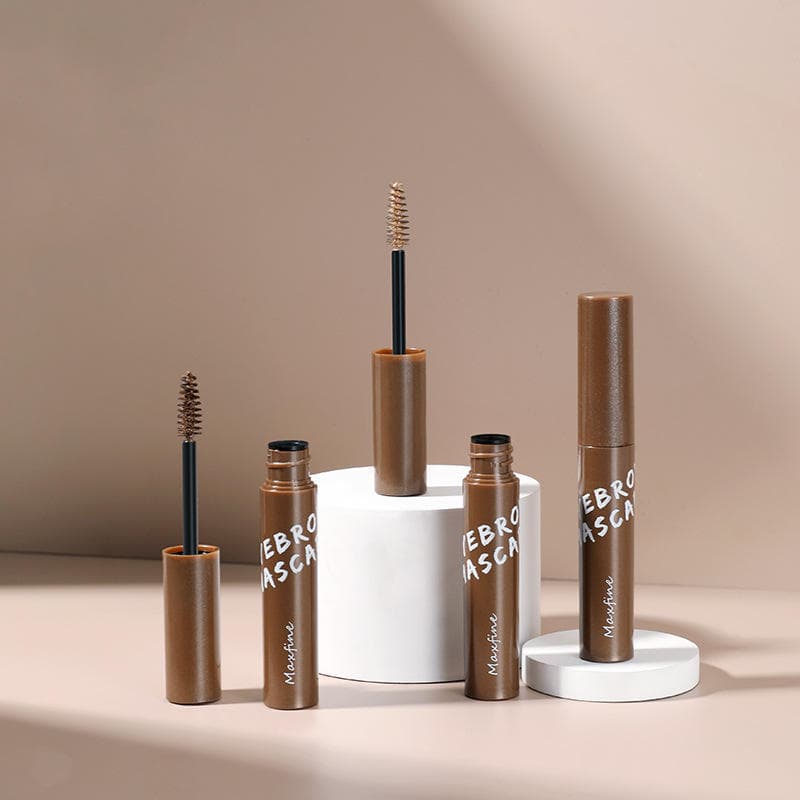
Brands building a wider eye category can connect mascara with related eye makeup products, including eyeliner, eyeshadow, and brow items.
Matching Mascara Effects With Brand Positioning
The brush should match the product promise. Length, curl, and volume shape product photos, claims, packaging copy, and customer expectations.
Lengthening for Natural Lash Lines
Choose lengthening when the target customer wants clean, defined lashes for daily makeup. A lash lengthening mascara should separate each lash and build length without hard clusters. This route fits clean makeup, office beauty, and beginner-friendly products.
Volume for Dramatic Lash Products
Choose volume when the brand wants a bold before-and-after effect. A volume mascara fits party makeup, evening looks, and retail products that need immediate visual impact.
Buyers should test root coating, second-layer performance, and clump control. A strong first swipe may look impressive, but poor separation can limit daily use.
Curling for Straight-Lash Markets
Choose curling when users need better lift. This direction often connects with long wear because curl has to remain visible through the day. Waterproof mascara can be relevant for humidity or sweat, but brands should not assume every waterproof formula holds curl equally well.
2-in-1 Designs for Multi-Effect Lines
A 2-in-1 design can help one SKU cover several lash needs. One side may support volume, while the other supports length and curl. This is useful for brands that want a fuller eye mascara item without launching several separate products.
The product page and packaging should explain how each side works. Without clear use guidance, consumers may apply too much product or miss the benefit of the dual design.
Product Example: A Dual-Effect Mascara Option

For brands looking for a multi-effect mascara SKU, 2 In1 Double Purpose Fiber Mascara is a relevant product example. Its 2-in-1 concept supports volume, length, and curl in one product direction, making it suitable for brands that want a more complete mascara item.
The related 2-in-1 mascara format uses a dual-head design. One side supports fuller lashes, while the other focuses on lengthening and curling. The product direction also includes waterproof and smudge-proof performance, with a 6g×2 format. For brands considering a 3d fiber mascara or dual-effect mascara line, this structure gives more room for product positioning.
At L&J Cosmetics, we review mascara development through brush type, formula direction, packaging fit, and target market use rather than treating mascara as one standard product.
What B2B Buyers Should Test Before Sourcing
A product image cannot show clumping, transfer, drying speed, or curl loss. Buyers should test samples under real use conditions before confirming private label mascara production.
Brush and Formula Compatibility
Brush and formula must work together. A dense brush with a very wet formula may create clumps. A slim brush with a dry formula may not build enough effect. Buyers should test pickup amount, glide, separation, second-layer performance, and drying speed.
Smudge and Waterproof Performance
Smudge proof mascara and waterproof mascara should be tested separately. Waterproof performance focuses on moisture resistance. Smudge-proof performance focuses on transfer caused by oil, rubbing, blinking, and long wear.
A useful test should include several hours of wear, light moisture exposure, and normal daily movement. Claims should stay realistic unless they are supported by product testing.
Packaging and Private Label Details
For private label mascara, buyers should confirm tube structure, brush head, inner wiper, logo placement, outer box, sample timing, and MOQ. For a dual-ended product, both sides must feel stable and easy to use.
Conclusion
Mascara brush types should match the brand’s lash promise. Lengthening, curling, volume, waterproof, and smudge-proof performance all depend on how the brush and formula work together. A product that claims too many effects without clear brush logic may confuse users and weaken repeat purchase.
For beauty brands planning a mascara line, the next step is to review brush type, formula texture, packaging, samples, and private label requirements together. To discuss the right mascara direction, share your mascara project requirements with our team.
FAQ
Q:What mascara brush type is best for volume?
A:Dense or larger brush heads are often better for volume mascara because they pick up more formula and coat lashes more fully. Buyers should still test clump control.
Q:What brush works best for lash lengthening mascara?
A:Slim, comb-like, or fiber brush designs often work well because they help separate lashes and extend the look of each lash without adding too much weight.
Q:Is waterproof mascara the same as smudge proof mascara?
A:No. Waterproof mascara focuses on resisting moisture, while smudge proof mascara focuses on reducing transfer caused by oil, rubbing, blinking, and daily wear.
Q:Why is 2-in-1 mascara useful for private label brands?
A:A 2-in-1 mascara can combine lash effects, such as volume, length, and curl, in one product. This helps brands build a more complete eye mascara SKU.
Q:What should buyers check before sourcing private label mascara?
A:Buyers should check brush design, formula texture, clump control, drying speed, waterproof and smudge performance, packaging quality, samples, and customization support.