
Cream Blush vs Powder Blush: Which Texture Fits Modern Beauty Brands
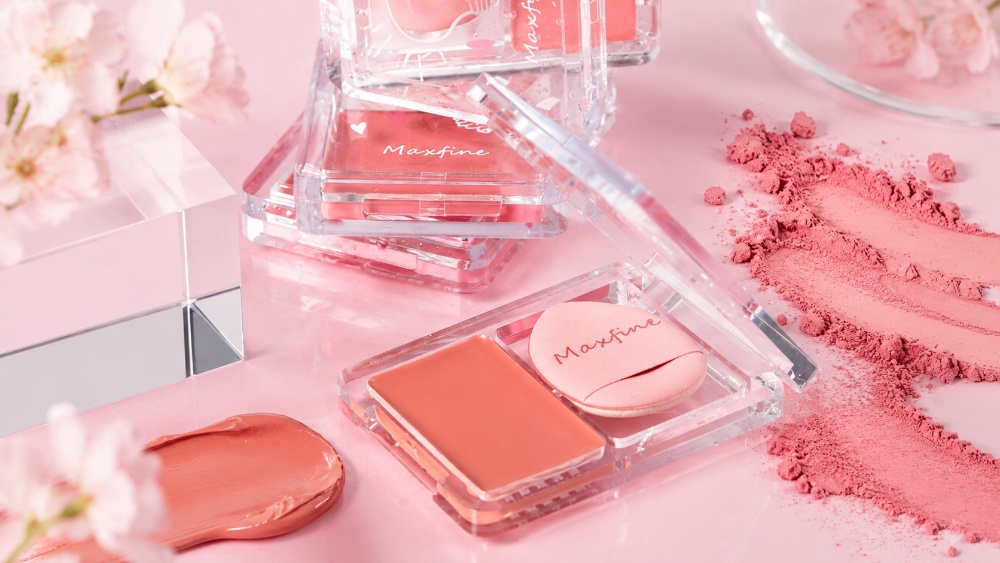
Texture choice has become a real product-line decision for modern beauty brands. A blush is no longer judged only by color. Buyers now compare finish, user skill level, skin type fit, packaging format, retail channel, and how easily the product can be explained to customers.
Cream blush often fits brands built around fresh color, dewy skin, and flexible application. Powder blush usually fits brands that want controlled payoff, soft matte cheeks, easy layering, and classic retail appeal. Neither texture is automatically better. The stronger choice is the one that matches the brand’s customer, price point, and launch plan.
Why Blush Texture Matters for Beauty Brands
A blush texture affects more than the final makeup look. It influences how the product is sampled, packaged, sold, and used. For B2B buyers, this makes texture one of the first decisions when planning a blusher makeup line.
Texture Shapes the Finish
Cream formulas often melt into the skin and create a fresher cheek effect. They are useful for brands targeting dewy makeup, light base routines, and younger consumers who prefer a skin-like finish.
Powder formulas sit more clearly on top of the base and can be built in thin layers. They are easier to control with a brush, which makes them suitable for daily makeup, mass retail, and customers who prefer a polished cheek look.
Texture Affects User Skill
A cream formula can look natural, but it needs controlled blending. Too much product, poor skin prep, or rough blending can move the base underneath. This is why brands should consider product education when selling this format.
A powder formula is often easier for beginners. Users can pick up a small amount with a brush, tap off excess, and add color slowly. This lower learning curve can support repeat use in entry-level cheek color collections.
Texture Changes Packaging Needs
Cream formats can be packed as a pot, compact, tube, or blush stick. Each format affects portability, hygiene, and application habits. Powder formats usually work well in compacts, palettes, or duo pans, where pan stability and brush pickup matter.
What Cream Texture Offers
Cream texture is a good direction for brands that want a softer, more modern cheek story. It works well when the product concept focuses on natural color, comfort, and a fresh finish.
Fresh Finish for Dewy Makeup
A cream texture can help create a hydrated-looking cheek without a powdery edge. This makes it suitable for brands targeting dewy base makeup, skinimalist routines, or social-media-driven color products. It can also appeal to users who want cheek color that blends into foundation rather than sitting visibly on top.
Flexible Use and Portable Formats
Some cream formats can support multi-use positioning, especially when the formula is suitable for cheeks and other color areas. Brands should confirm formula safety and product claims before promoting multi-use benefits.
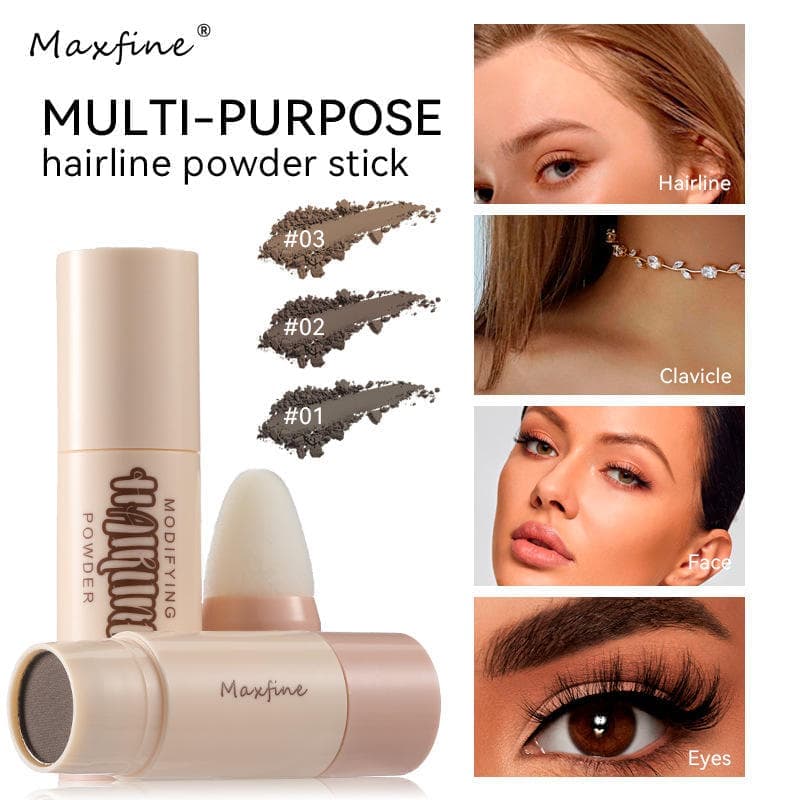
A blush stick can be attractive for modern retail because it looks simple, portable, and easy to demonstrate in short content. Still, the success of this format depends on glide, pigment control, stability, and packaging comfort.
Product Example for Cream Texture
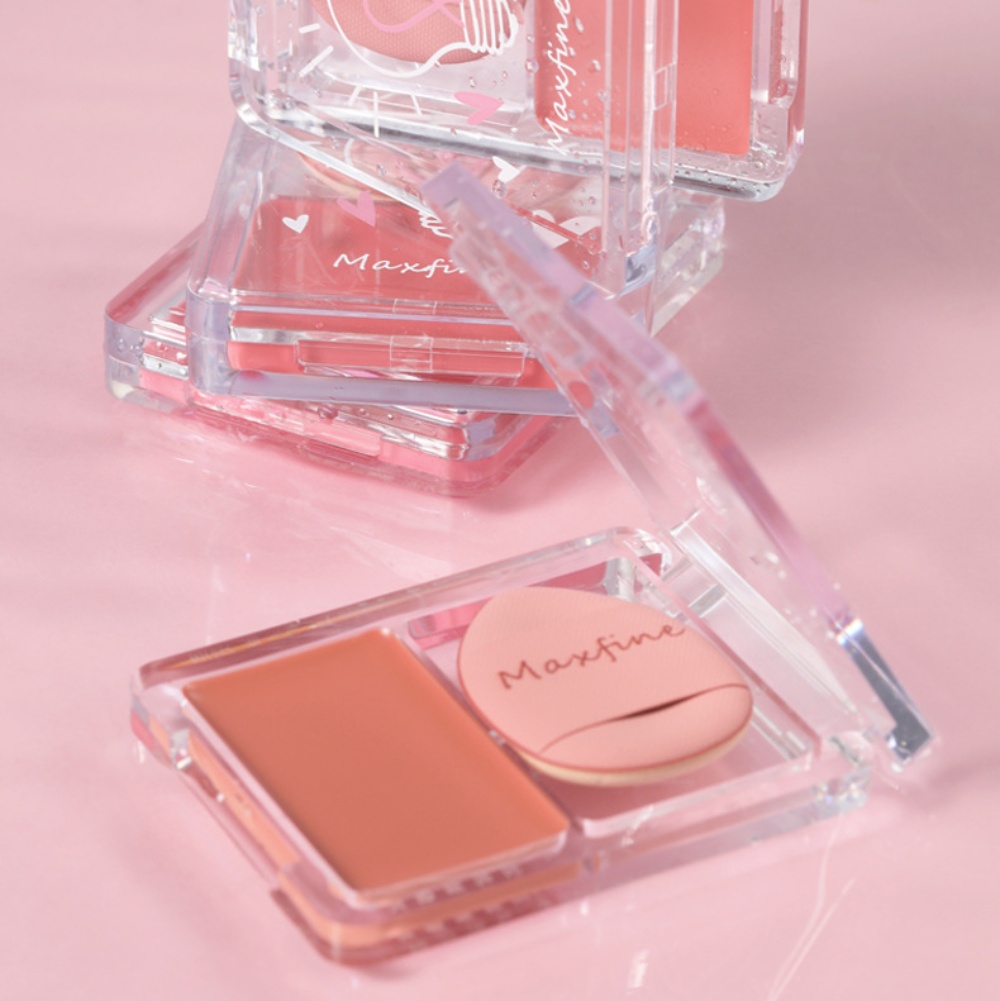
For brands considering this route, Moisturizing Blusher Cream can be used as a cream blush product example. Its product direction fits soft cheek color and moisturizing positioning. It is best introduced as part of a daily face makeup range, not as an over-promised solution for every user or every market.
What Powder Texture Offers
Powder texture remains valuable because it is familiar, stable, and easy to use. It can serve daily makeup users, professional palettes, gift sets, and retail displays.
Controlled Color Payoff
A powder formula allows users to build color gradually. This helps reduce over-application and makes the product more approachable for beginners. For brands, controlled payoff can make shade development easier because the same color family can work across different makeup styles.
Soft Matte and Oil-Control Positioning
A matte blush can support soft-focus cheek makeup and reduce visible shine around the cheek area. This makes it useful for customers who prefer a clean base, oil-control positioning, or a more classic finished look.
Powder texture also works well after setting makeup. It can be layered over foundation and face powder without disturbing the base as easily as some cream formulas.
Product Example for Powder Texture
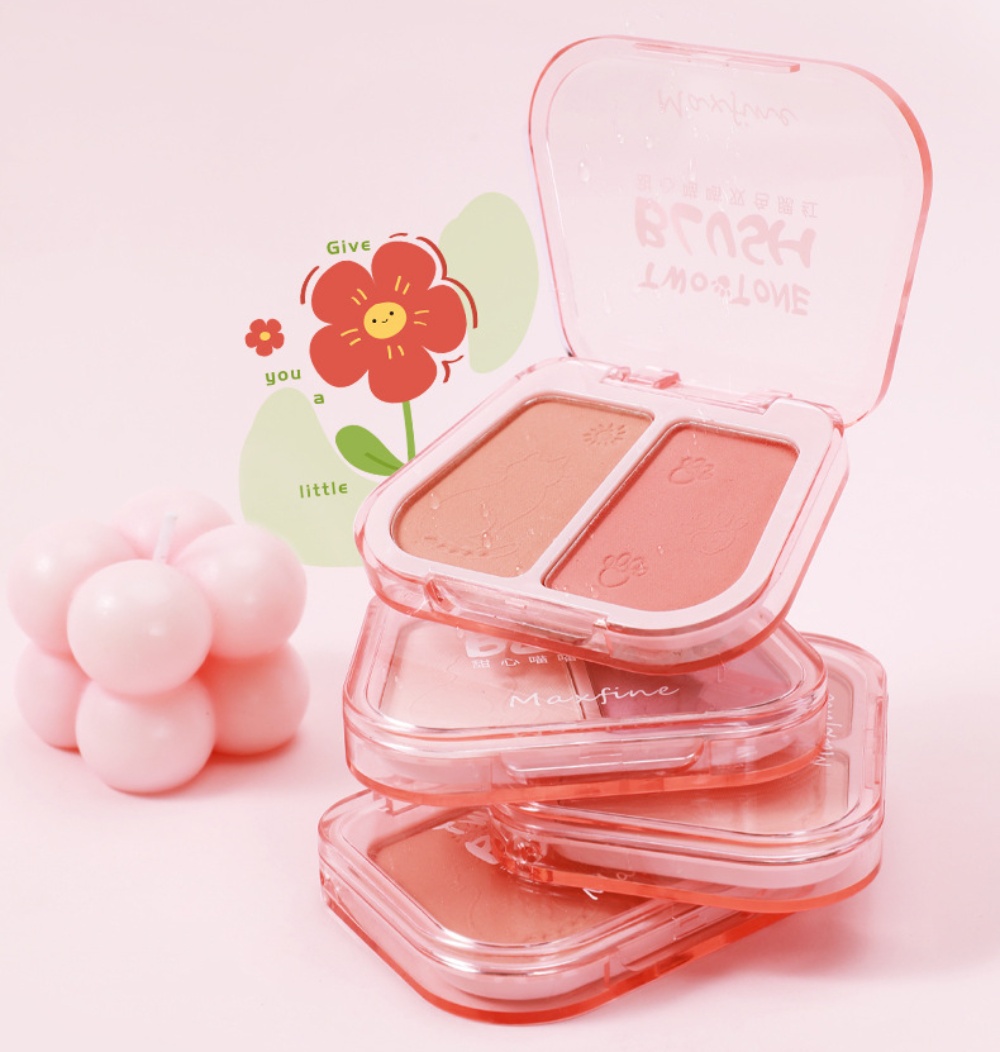
2 in 1 Matte Powder Blusher fits the powder-texture direction for brands looking at a matte blush product. Its positioning suits a powder-based cheek category with practical retail appeal. Because the product page has limited public technical details, buyers should confirm formula texture, shade options, packaging, samples, and customization before final selection.
Key Texture Differences for B2B Buyers
The main difference is not only texture. It is the business role each texture plays.
Cream texture often fits trend-led brands, glow-focused launches, portable products, and younger consumers who like a fresh finish. It can work well for social media because the application process is visual and easy to demonstrate.
Powder texture often fits classic retail, beginner-friendly lines, professional palettes, and soft matte cheek products. It is easier to build slowly and can work across wider daily makeup routines.
For brands planning a full face color range, the decision does not need to be one or the other. A cream product can carry freshness and trend appeal, while a powder product can support core retail demand and stable repeat purchase.
Which Texture Fits Which Beauty Brand?
Choose Cream for Trend-Led Launches
Choose cream texture when the brand wants fresh color, soft shine, and a more modern cheek story. It is especially useful for launches built around dewy makeup, portable sticks, or flexible color use. Buyers should test whether the formula blends evenly, stays stable in packaging, and keeps its finish after several hours of wear.
Choose Powder for Classic Retail Lines
Choose powder texture when the brand needs easy application, controlled color, and a familiar user experience. Powder products suit retailers, starter makeup lines, and customers who prefer brush application. For this route, buyers should test powder fineness, fallout, pickup, and pan strength.
Use Both for a Wider Product System
A brand with multiple channels can offer both textures. Cream can serve trend buyers and fresh makeup users. Powder can serve daily retail and soft matte preferences. The same shade story can also be adapted across both formats, helping the brand build a more complete blusher makeup system.
What Buyers Should Check Before Sourcing
Before sourcing, buyers should test the product under real use conditions. Cream texture should not feel too greasy, too dry, or unstable after blending. Powder texture should not look chalky, dusty, or patchy after layering.
Shade range also matters. Pink, peach, nude pink, rose, coral, and brick tones can support different markets, but undertone testing is essential. Packaging should match the format: cream products need a convenient, clean application, while powder products need stable pans and a practical, compact design.
At L&J Cosmetics, we look at blush development through texture, shade planning, packaging, and product-line fit. The goal is to help brands choose a formula route that makes sense for their buyers, not just to add another item to a catalog.
Conclusion
Cream and powder textures serve different brand strategies. Cream texture is stronger for fresh, dewy, trend-led makeup. Powder texture is stronger for soft matte, controlled, and beginner-friendly cheek products. For modern beauty brands, the right choice depends on target users, retail channel, packaging, shade plan, and product education.
For brands preparing a new blush line, the next step is to review formula direction, samples, shade planning, packaging, and private label needs together. To discuss the right route for your cheek product line, share your blush product requirements with our team.
FAQ
Q:Is cream texture better than powder texture for beauty brands?
A:Not always. Cream texture fits dewy and trend-led launches, while powder texture fits soft matte, easy-layering, and classic retail lines.
Q:Which blush texture is easier for beginners?
A:Powder texture is usually easier because users can build color gradually with a brush. Cream texture may need more blending control.
Q:Is a blush stick a good private label direction?
A:Yes. This format can work well for portable and social-media-friendly makeup lines when glide, pigment control, and packaging stability are well tested.
Q:What should B2B buyers check before sourcing blush products?
A:Buyers should check texture stability, blendability, pigment payoff, shade range, packaging, sample quality, and target retail channel fit.
Q:Can a beauty brand offer both cream and powder formats?
A:Yes. A dual-texture line can cover trend-led users and classic retail customers while keeping one coordinated shade story.