
How to Build an Inclusive Nude Lipstick Shade Range Without Creating Too Many SKUs
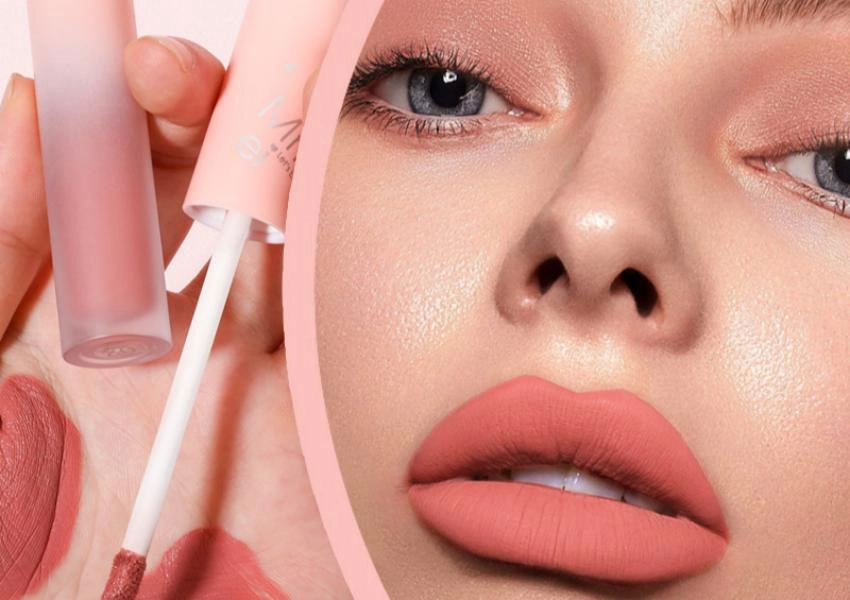
Nude lipstick is one of the most crowded color categories in makeup, yet it still creates a familiar customer complaint: a shade that looked neutral online turns gray, orange, pink, or oddly pale on the lips. The problem is rarely solved by simply adding more beige bullets to a launch. A nude range gives shoppers a route into the collection while keeping development and stock manageable.
For buyers planning nude lipstick shades, the practical question is not how many colors can fit into a display. It is how few SKUs can cover meaningful differences in skin tone, lip pigmentation, and finish preference without making the assortment look repetitive. That calls for an undertone system, not a random row of browns.
Why Nude Lipstick Needs More Than Light, Medium, and Deep
Nude is relative. A pale peach-beige may look clean and polished on one consumer, then turn chalky against a deeper complexion. A brown rose can read sophisticated on medium skin but disappear on naturally pigmented lips. Lip color also changes with the base beneath it, the amount applied, and the formula’s coverage. A useful lipstick shade range treats nude as a family of balanced colors rather than a single color name.
The first layer is undertone. Most commercial ranges need a warm lane, a neutral lane, and a cool or rosy lane. Deep nude should not be treated as one dark brown added at the end. It needs its own red-brown, cocoa, berry-brown, and muted plum possibilities so the range works with deeper skin and stronger natural lip color. That is what makes inclusive lipstick shades feel intentional instead of token.
Start With Wearable Color Families
A compact launch can often begin with five families: light peach beige, pink beige, neutral rose brown, warm caramel brown, and deep cocoa or berry brown. Those labels are only working names. During sampling, each family should be tested across a spread of skin tones and on lips with different levels of pigmentation. If two samples deliver the same visible result after one swipe, one of them is probably not earning its SKU.
Build the Range Around Undertone and Lip Pigment
Skin undertone matters, but lip pigment matters just as much. A sheer balm-like nude may allow natural lip color to shape the final result. A cream or matte bullet can cover more of that starting color. This changes how many shades are needed. A high-coverage formula may need more carefully separated tones because its pigment shows clearly. A softer finish can cover a broader group, provided the base color does not pull too pale or too orange.
That is where finish selection becomes part of shade planning. Lipstick systems commonly use oils, waxes, pigments, and powders. Waxes create the bullet structure; pigments carry color; powders can alter oil feel, coverage, and matte or pearly appearance. Matte shades usually give stronger coverage but can make dry lip lines easier to see. Velvet and creamy formats often soften that effect, while moisturizing and cream finishes suit everyday nude directions because they bring glide and a gentler sheen.
For a comfort-led collection, a moisturing long lasting lip stick is a closer product route than a dense matte bullet because the formula story supports a softer nude payoff. For a more polished office or occasion range, silky texture solid lipstick can give the buyer a useful reference point for a smooth solid format. The name of the finish should match the way the shade actually sits after ten minutes, not only its first swipe.
Use Coverage as a Range-Control Tool
Coverage can reduce SKU pressure. Instead of creating three almost identical light beiges, a brand may choose one medium-coverage neutral beige and one sheer rosy beige. They serve different consumer needs and create visibly different looks. Likewise, a deep brown nude with a creamy finish can look more flexible than a flat full-matte brown. This is more helpful than adding another shade merely because it looks different in the pan.
A Six-to-Eight-SKU Architecture That Still Feels Inclusive
For many private label lipstick launches, six to eight well-separated nudes are easier to sell than a twelve-SKU set with blurred boundaries. A workable six-SKU start might include a light peach neutral, a light pink beige, a medium rose brown, a warm tan, a terracotta brown, and a deeper cocoa rose. An eight-SKU line can add a muted mauve brown and a berry brown, giving both cooler shoppers and deeper lip pigments a clearer match.
The range should be laid out from light to deep, then checked by undertone. If every middle shade leans warm, the selection will exclude consumers who want a rose or muted taupe effect. If every deeper shade has the same orange cast, the collection will feel limited even when the shade count looks generous. A simple shade map prevents this: list depth on one axis, undertone on the other, then mark which cells are genuinely covered.
Pair Shades Only When the Format Makes Sense
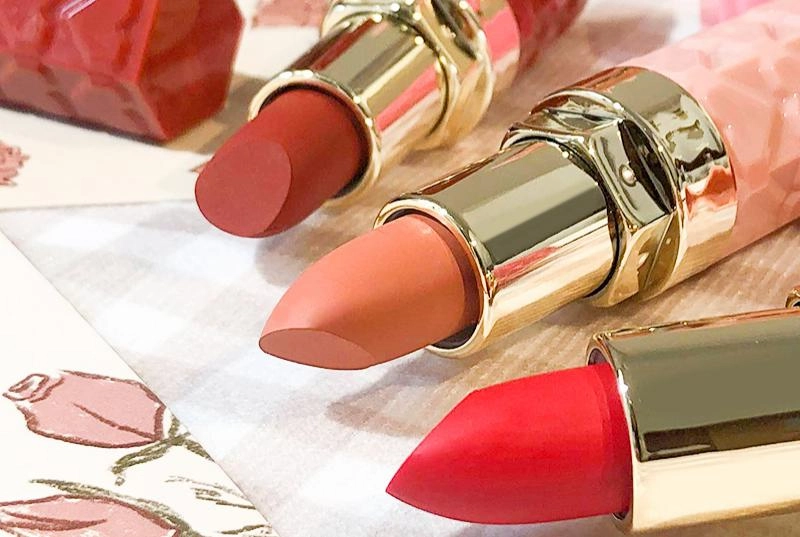
Paired products can create variety without doubling formula development, but the pairing has to solve a real use case. A double head lipstick works best when the two ends offer a useful contrast, such as a warm tan with a deeper brown liner effect, or a daytime rose beige with a richer evening brown. Two near-identical nudes in one component feel like surplus inventory dressed up as convenience.
Sample Checks That Stop Near-Duplicate Shades
A shade card is not enough for approval. Samples should be compared in daylight, warm retail light, and camera flash. Apply them in one swipe and two swipes, then let them sit. A nude that looks balanced on a fresh swipe may oxidize warmer, lose its rosy note, or show unevenness as the oils settle. In production, color samples should also be checked for feathering, high and low temperature behavior, and bullet strength before bulk filling.
Use a cross-swatch test to expose duplicates. Put every sample side by side on at least three lip-pigment models or lip simulators. Ask a blunt question: would a shopper see a different result without reading the shade name? If the answer is no, remove or reformulate the weaker option. The same discipline helps when approving custom lipstick colors across different finishes, because a color that works in satin may not translate directly into matte.
A high-coverage neutral can be useful, but it needs a clear place in the line. A waterproof matte lipstick is a relevant product direction for a brand that wants a defined, long-wear nude with stronger color presence. It should sit beside, rather than replace, comfort-focused shades. One formula rarely has to carry every nude consumer need.
Briefing a Manufacturer Without Turning the Range Into a Guess
The most useful development brief gives the supplier a range map, target markets, finish priorities, reference shades, packaging direction, and the number of SKUs that must survive the final commercial review. It should also show which colors are non-negotiable. A brand may be willing to shift a light beige slightly rosier, for example, but need the deepest brown to retain enough red or berry tone to avoid looking ashy.
Later in the process, L&J Cosmetics can support lipstick projects through OEM/ODM sampling, texture selection, shade adjustment, filling review, and packaging choices. Its production background, established in 2009 with more than 150 employees and a production base exceeding 20,000 square meters, matters when a buyer needs color consistency across samples and bulk rather than a one-off attractive prototype.
The best nude collection does not try to be everything to everybody. It gives more shoppers a credible match, clearly separates each shade’s role, and leaves room for the brand to reorder the colors that prove strongest. That is how an inclusive range stays commercially calm instead of becoming an expensive wall of near-duplicates.
FAQ
Q1: How many nude lipstick shades should a new private label range start with?
A1: Six to eight well-separated shades are often enough for a first launch. Start with clear undertone and depth coverage, then add colors after sales and customer feedback show real gaps.
Q2: What makes a nude lipstick range inclusive?
A2: It includes light, medium, and deep options with warm, neutral, rosy, and richer brown or berry undertones. It also considers natural lip pigment and formula coverage.
Q3: Should every nude lipstick use the same finish?
A3: Not necessarily. A compact range can mix comfort-led cream or satin nudes with one or two stronger matte shades when the finishes serve clearly different shopper needs.
Q4: How can brands avoid duplicate nude shades during sampling?
A4: Compare every sample side by side across different lip pigments, lighting conditions, and application levels. Remove shades that create the same visible result after wear.
Q5: What should be included in a custom lipstick colors brief?
A5: Include target depth and undertone families, finish, coverage, reference colors, pack direction, market region, expected SKU count, and the shade roles that must remain distinct.