
Water-Based Nail Polish Film Formation: How to Improve Wear Without Losing Easy Removal
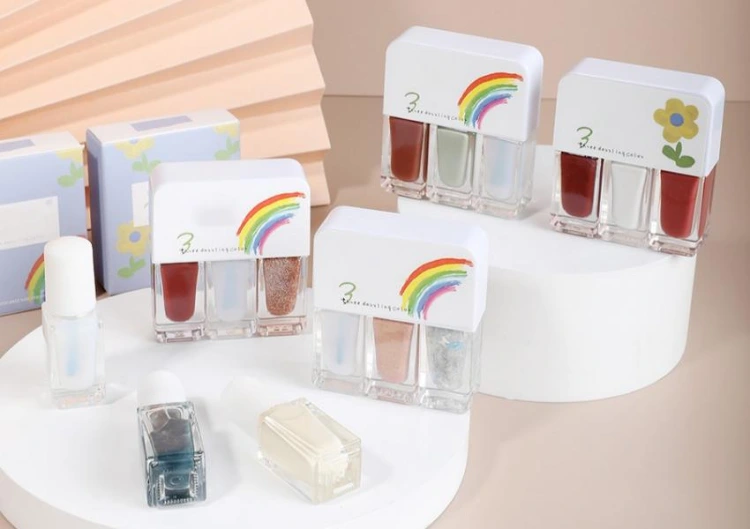
Water-based nail polish can give a brand a lower-odor direction and a different user experience from conventional solvent-led lacquer, but the formula still has to form a coherent film on the nail. If it dries too quickly, a brush can drag the first coat. If the film stays too soft, wear falls away at the free edge. If it becomes too tough, a peel-off positioning can turn into a frustrating removal experience. The development task is to set a practical balance, then test it in the final bottle and brush.
L&J Cosmetics describes water-based nail polish as water, essential oils, environmentally friendly resins, water-based colorants, and natural pearlescent materials. It recommends clean, smooth nail and thin coats with drying time between layers so the resin can adhere and color stays even. These are useful formulation and application anchors. They do not mean every water-based formula has the same odor, durability, or removal profile.
Start With the Film You Want After Drying
A water-based nail polish begins as a dispersed liquid and ends as a dry coating. During drying, water leaves the applied layer, and the resin-rich phase joins into a film. That nail polish film formation needs a clear private label brief: flexible or firmer, glossy or pearlescent, conventional removal or peel-off removal, and one thin coat or two. Without that choice, discussions about resin, plasticizer, and dry time become disconnected requests.
The water-based nail polish category is the direct internal link for this route. It is more accurate than linking a water-based discussion to gel polish or a generic color product. The packaging and claim review should still be based on the supplied formula specification and the final stability record.
Resin Builds the Wear Structure
Resin is central to adhesion and film continuity. A film that is too brittle may chip around the edge; one that remains too soft can pick up marks or lose gloss. Plasticizer selection can affect flexibility, while colorants and pearlescent material can change the way a coat levels and dries. These relationships should be evaluated as a system. A stronger resin level is not automatically better if it conflicts with intended easy removal or the chosen substrate. Record nail polish film formation after drying, not just wet-bottle viscosity.
Request a formula pathway rather than asking for a universal long-wear claim. The manufacturer should confirm which changes are being explored, what may affect application or removal, and which version is ready for stability work. This keeps an R&D discussion honest when a brand wants low odor nail polish but also expects opaque color, fast dry, and easy peel behavior in the same SKU.
Control Dispersion, Application, and Drying
Pigment and pearlescent materials need to remain sufficiently dispersed for the bottle to deliver a consistent shade. Settling, floating, excessive thickness, or visible particles can all change the coat before wear testing even starts. Where a formula needs shaking, the instruction and the number of shakes must be confirmed on the final sample. It should not be copied from another color or another polish type.
Thin Coats Are a Test Condition, Not Just Consumer Advice
The project source recommends thin layers and thorough drying between coats for more even color and a longer-lasting finish. Turn that into an approval condition: record brush load, number of coats, interval, ambient conditions, and time before normal handling. A water-based nail polish sample may look excellent under a laboratory application method yet fail when the first coat is applied too thick. Both the formulation and the intended use instructions should reflect this boundary.
Brush quality matters here as well. Bristle shape, a slender tip, elasticity, and flow are useful points for judging a nail-polish brush. Those properties affect whether the user lays a thin, even layer or repeatedly reworks the same area. The quick drying finger polish page can support a drying-focused product discussion, but it should not be used to imply that a water-based formula has identical dry-time behavior.
Set the Boundary Between Wear and Easy Removal
Peel-off nail polish is a specific removal direction, not a shortcut word for any gentle formula. A peelable film must lift in a controlled way after normal use; a conventional film is normally assessed with its compatible remover. Trying to make both perform at the maximum level can create a contradictory brief. The brand should decide which consumer benefit has priority and ask the supplier to show the evidence under defined conditions. This is the key boundary between private label nail polish positioning and unsupported claim language.
Wear testing should include adhesion after the approved dry time, ordinary water contact, edge wear, scratching, and the intended removal route. It should also state what is not being claimed. Water-based and lower odor do not mean zero odor, zero sensitivity risk, or equal performance on every nail condition. Claims and instructions should be reviewed against the exact formula, color, package, and target market requirements.
Check Dark and Pearlescent Shades Separately
Dark pigments, bright colors, and pearlescent shades can behave differently from a sheer neutral. They may need different dispersing work, coat count, or shake guidance. The project source lists water-based colorants and natural pearlescent powder among the possible main ingredients. That provides a sound reason to test shade families separately, especially when a collection carries both cream and pearl finishes.
Confirm Bottle and Brush Compatibility Before Scale-Up
A stable bulk can still become difficult at retail if the bottle, cap, brush stem, and wiper do not suit the formula. Review leakage, evaporation, label adhesion, brush pickup, neck wiping, and reopening after storage. The component should also be checked with the actual fill level and any fragrance direction. A lower-odor brief does not remove the need to assess odor changes after filling or after time in the chosen package.
For a wider manicure offer, the functional nail polish is a relevant different category route. It should remain distinct from the water-based anchor because the formula path and claim logic may differ. This is particularly important when artwork has a shared visual family, but the bottles have different usage and removal instructions.
Use Stability Checks to Protect the Approved Sample
The stability program should compare fresh and aged samples for separation, viscosity, odor, color, brush flow, drying, adhesion, and package condition. Temperature range, duration, cycle count, acceptance limit, and the method for re-dispersing the sample all need supplier confirmation. They should not be invented in a purchase order. Keep the approved bottle as a retained reference so a later batch can be compared on more than a memory of the first sample.
L&J Cosmetics has operated since 2009 and produces color cosmetics including nail products. That is most useful to a sourcing team in the later stages: formula trials, brush and bottle selection, shade approval, and repeat-batch control can be discussed as one project.
The best launch brief leaves room for what must be confirmed. It can ask for a low-odor nail polish direction, a specific finish, a two-coat application, or peel-off removal, while still requiring the supplier to provide the actual test method and result. That discipline protects a water-based range from overpromising and makes a later refill or color extension easier to manage. It also gives a private label nail polish team a repeatable approval route.
FAQ
Q1: Does water-based nail polish always have less odor than solvent-led polish?
A1: A lower-odor direction is possible, but odor must be assessed on the exact formula and packaging. Water-based does not mean odor-free, nor does it remove the need for compatibility and market compliance checks. Test the intended low odor nail polish claim on the final filled pack.
Q2: Can a peel–off nail polish also be highly wear–resistant?
A2: It can be developed for practical wear, but peelability and maximum adhesion pull in different directions. The intended removal route and test conditions should be agreed before claims are written.
Q3: What should a private label nail polish buyer ask for before bulk production?
A3: Ask for the approved formula path, shade standards, bottle and brush samples, application method, drying and wear observations, removal method, stability plan, and retained production reference.
Q4: Why does water-based nail polish peel or chip too soon?
A4: Early peeling or chipping can come from poor nail preparation, coats that are too thick, insufficient drying, weak film adhesion, or a formula that is too brittle or too soft. The cause should be checked under the approved application method.
Q5: Should different nail polish shades use the same wear test?
A5: Not always. Dark, bright, and pearlescent shades can behave differently because pigment and pearl content may affect dispersion, drying, coverage, and film formation. Each shade family should be checked under the same defined application and removal conditions before bulk production.