
Multichrome Eyeshadow Quality Control: How to Test Color Shift Across Lighting Conditions
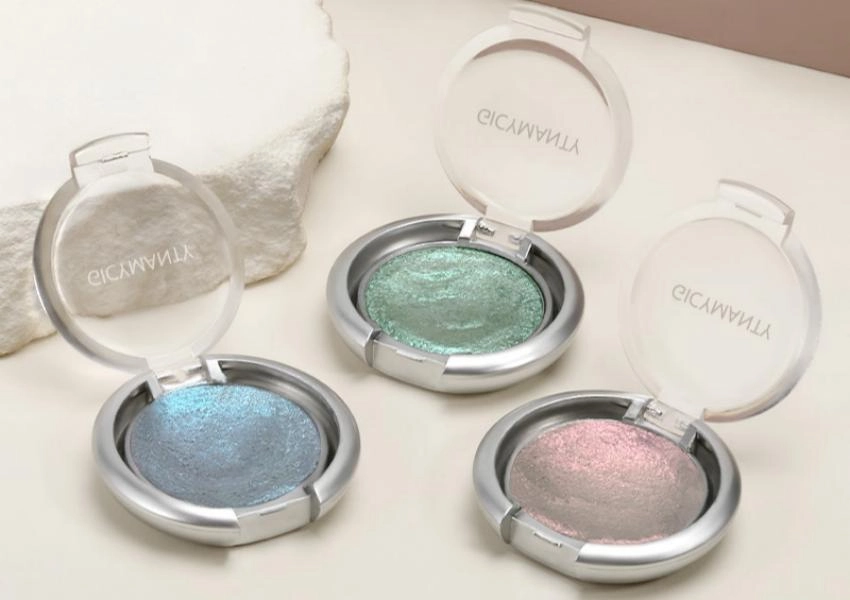
A multichrome eyeshadow can look expensive in one studio photo and strangely flat on a retail shelf. That is the risk behind color-shifting eyeshadow. The effect depends on layered pearl, pigment angle, base tone, binder clarity, and the light that hits the eyelid. For a beauty brand, the real question is not whether the pan looks pretty at first glance. It is whether the same shade still looks intentional under daylight, warm store lamps, cool bathroom LEDs, flash photography, and a phone camera held too close.
That is why eyeshadow quality control for multichrome and duochrome effects has to move beyond a single swatch card. A private label eyeshadow range needs repeatable light checks, skin tone checks, batch-to-batch checks, and packaging checks before the product goes into launch photography or retail sampling.
Why Color Shift Fails Even When The Shade Looks Strong
A standard shimmer can be judged by brightness, particle size, and fallout. A multichrome eyeshadow is trickier. The visible shade may move from green to violet, gold to rose, or blue to lavender as the viewing angle changes. If the pearl layer is not dispersed evenly, the center of the swatch may glow while the edges look muddy. If the base pigment is too opaque, the color shift may disappear on deeper skin. If the binder is too oily or too dry, the pearl can sit unevenly and create patchy reflection.
A good first check separates three things: base color, shift color, and sparkle. The base color should still flatter the target shade family when the shift is not visible. The shift color should appear at a clear angle change, not only under a ring light. Sparkle should add dimension without turning the pan into loose glitter. The test result needs to be described in normal language, because retail buyers and content teams will not talk in lab terms when they approve the range.
Duochrome And Multichrome Need Different Approval Standards
A duochrome eyeshadow usually shifts between two main tones. It can pass if the two tones are clean, balanced, and easy to explain in a shade name. Multichrome, by contrast, asks for a wider viewing window. If only one secondary color appears, the formula may be attractive, but it should not be marketed as a full multichrome. This matters for customer reviews. A claim that feels inflated often turns into shade, disappointment, not just a return issue.
Build A Lighting Test That Matches Real Buying Conditions
The testing room should recreate how customers and retail teams actually see the product. Use at least four conditions: natural daylight, warm indoor light, cool LED light, and camera flash. Add one mixed-light setting if the product is meant for retail counters, live selling, or creator content. Each condition should use the same swatch size, the same base, and the same application pressure.
For every shade, photograph the swatch at a front view, 45 degrees, and a shallow side angle. Then repeat on a bare arm, a primed arm, and a lid-safe base. This catches problems that one clean lab swatch can hide. Some pearls show color strongly only on a tacky base. Some look bright in a pan but lose dimension when sheered. Some shades shift beautifully on fair skin yet look gray on medium or deep undertones.
Record The Angle, Not Just The Photo
A photo folder without angle notes creates confusion later. The QC sheet should record the light source, camera distance, angle, swatch base, skin depth, and application tool. A simple rating works well: base color accuracy, shift visibility, sparkle clarity, edge evenness, fallout, creasing, and removal. For a private label eyeshadow project, this record also helps the factory repeat the approved sample when the order moves from lab batch to bulk.
Check Texture, Payoff, And Wear Before Approving The Story
Color shift is only one part of the sellable product. L&J Cosmetics has several eye color formats that show why texture matters. Its eyeshadow line covers single-color products, multi-color palettes, liquid shadows, baked powders, sticks, glitter textures, and metallic finishes. The Maxfine nine-color palette combines matte, shimmer, and metallic shimmer finishes, while the baked single-color eyeshadow focuses on a delicate pearlescent effect. Those formats do not behave the same under a brush.
For a multichrome eyeshadow, payoff testing should include finger application, dry brush, damp brush, and a light tapping method over primer. A soft, slightly creamy texture can make pearls grip better, but too much slip may cause creasing. A dry-pressed formula may look clean in the pan, but if the binder cannot hold reflective pigments, fallout will become the complaint that ruins reviews.
Use Wear Tests That Match The Formula Format
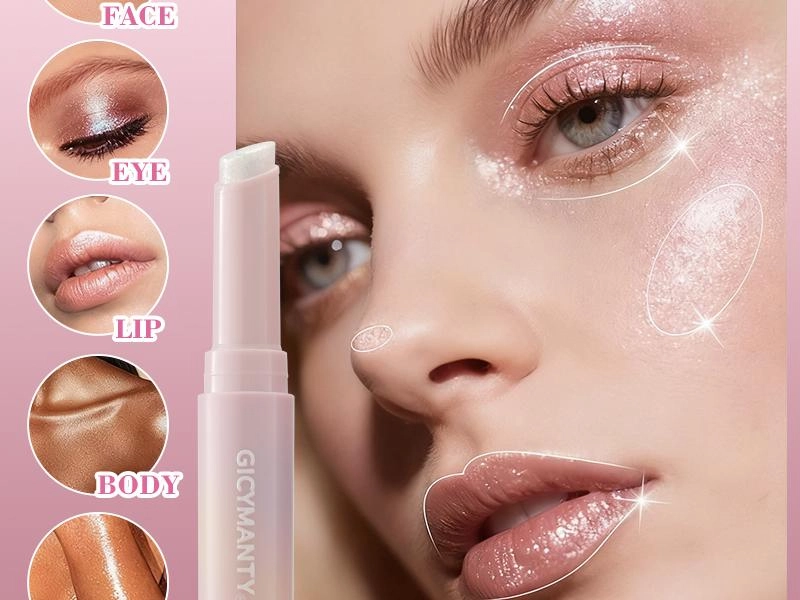
A liquid or stick format needs separate checks for dry-down, transfer, and eyelid comfort. The official jelly eyeshadow stick highlighter highlights silky texture, rich pigmentation, 8-hour water and sweat-resistant wear, vitamin E, jojoba oil, a twist-up format, and shade and packaging customization. Those are useful approval points for stick projects, but a pressed multichrome pan should still be judged on pickup, pan hardness, surface glazing, and dusting. One checklist cannot cover every format.
Batch Control: The Quiet Part Of A Trend-Driven Launch
Trend shades move fast, yet multichrome pigments are not forgiving. A small change in pearl ratio, pressing pressure, base pigment, or oil binder can move the shift. The first production batch should be compared against the approved lab sample under the same lighting plan. The retained standard should include a physical pan, a dry swatch card, a primed swatch card, and photos from the agreed light conditions.
Packaging also belongs in the QC process. A reflective compact, tinted window, or deep pan well can change how the color reads before a customer applies it. Within L&J Cosmetics’ eyeshadow category, products such as multichrome single eye shadow, 16-color eyeshadow, and single-color eyeshadow need different display checks. A product that looks rich in open-pan photos may look dull if the compact blocks side light.
Keep The Approved Standard Physical
Digital approval alone is weak for color-shifting eyeshadow. Screen brightness and phone processing can add saturation that the product does not really have. Keep a physical standard in the QC room and another in the sample room. When a buyer asks for a shade repeat six months later, the team needs a real sample, not only a launch photo.
How Brand Teams Should Brief The Manufacturer
A strong brief reduces trial rounds. Instead of asking only for a blue-green multichrome, name the base color, first shift, second shift, sparkle level, acceptable fallout, target skin tones, packaging type, and finish claim. If the range sits beside a cream stick or liquid shadow, say so early. The manufacturer can then judge whether a pressed powder, baked powder, cream shadow, or hybrid texture is the better route.
L&J Cosmetics works as an OEM/ODM color cosmetics manufacturer with more than 150 employees and a production area of more than 20,000 square meters. The company portfolio includes eye makeup, lip makeup, face makeup, nails, cleansers, and brow products. For this kind of trend item, that matters most when the project moves into shade sampling, packaging printing, and batch repeatability. The best supplier conversation is specific: target markets, retail lighting, sample schedule, shade naming, outer carton needs, and whether the first order needs flexible MOQ support.
A practical product route can use the eyeshadow category as the main bridge, then compare the multichrome single eye shadow for a hero shade, the monochrome glitter eyeshadow stick for portable sparkle, and the 16-color eyeshadow if the brand wants a broader color story. Each choice should have its own QC checklist instead of sharing one broad approval form.
FAQ
Q1: How many lights should a multichrome eyeshadow be tested under?
A1: At minimum, test daylight, warm indoor light, cool LED, and camera flash. For retail or live-selling projects, add a mixed-light setup so the shift is checked closer to real selling conditions.
Q2: Is duochrome eyeshadow easier to approve than multichrome eyeshadow?
A2: Usually yes. Duochrome needs two clean tones, while multichrome needs a wider angle range and more consistent shift behavior across skin tones, primer bases, and photo settings.
Q3: What causes colo- shifting eyeshadow to look muddy?
A3: Common causes include an opaque base, poor pearl dispersion, too much binder slip, uneven pressing, or a shift in pigment that does not show clearly on medium and deep skin tones.
Q4: Should private label eyeshadow samples be approved from photos?
A4: Photos help, but they should not be the only approval record. Keep physical swatches and pans because phone processing, screen brightness, and studio light can change the visible shift.
Q5: Can L&J Cosmetics support custom multichrome or glitter eye products?
A5: L&J Cosmetics supports OEM/ODM color cosmetics work, including eye makeup formats, shade development, packaging customization, printing, and sample discussions for brands preparing a sellable range.