
Lacquered Lip Gloss Formulation: How to Balance Glass-Like Shine and Non-Sticky Wear
A lacquered lip gloss looks simple on the shelf: a clean tube, a wet shine, a color that seems ready for warm weather. In production, it is less simple. A formula that photographs like glass can turn stringy on the doe-foot. A comfortable oil phase can soften color too much. A film that cuts transfer may also create tack at the lip line. For private label teams, the winning brief is not just more shine. It is a controlled balance of reflectivity, film feel, pigment level, applicator pickup, and wear after the gloss settles. That balance matters even more for spring and summer collections, where customers expect brightness, comfort, and a fresh finish that does not feel heavy in heat or humidity.
Start With the Shine Target, Not Just the Shade
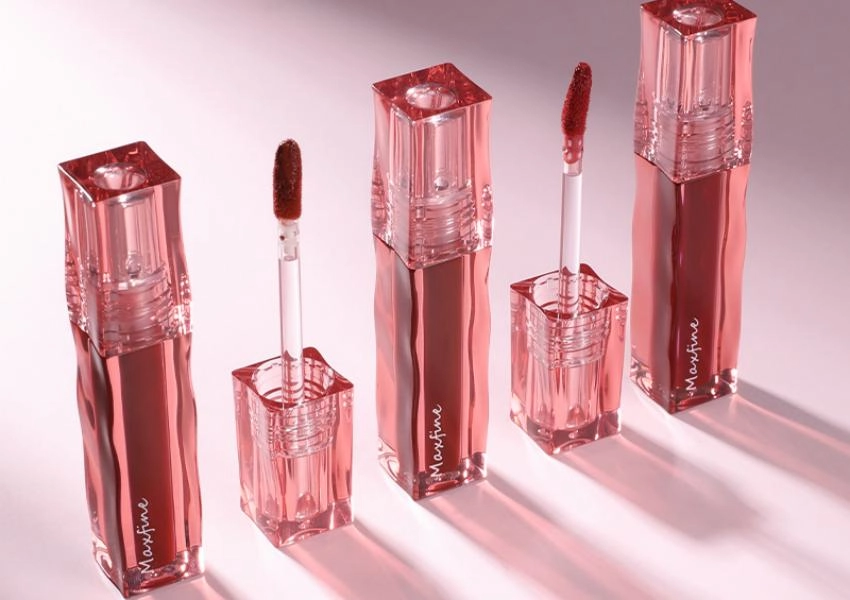
A lacquered lip gloss needs a clear visual target before lab work begins. Some collections want a water-mirror shine with almost transparent color. Others need juicy color that still keeps a wet surface. L&J Cosmetics shows why this distinction matters. Dudu-style gloss can give a mirror-like glass lip effect, while thin application reads more icy and transparent. A thicker layer makes color more visible and closer to the natural lip tone. That gives a brand two different commercial directions from the same category: a sheer glossy lip gloss for a clean beauty look, or a brighter lacquer for social-first color collections.
The shine target also affects the rest of the formula. A high oil load can create an easy glide and fast gloss, but it may dilute pigment or make the surface feel too mobile. More structured gel systems can hold a curved, plush coating, yet they need careful tack control. Buyers should ask for side-by-side drawdowns, lip swatches, and one-hour gloss photos under the same light. A shiny product can look excellent for the first three minutes and lose its lacquered surface by the time a buyer compares samples.
Pearl, pigment, and transparency
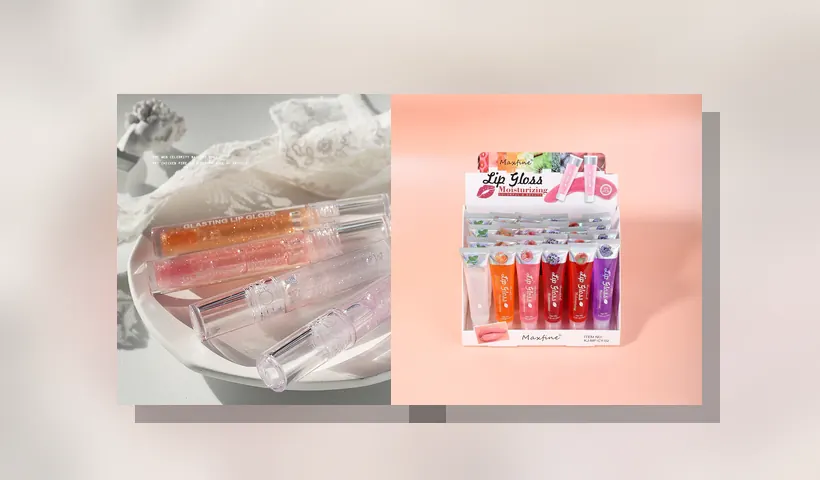
Pearl-like shimmer can make the surface look fuller, but it should not turn the gloss cloudy. Lighter gloss formulas often have weaker coverage than lipstick, so they work well alone for a crystal-clear look or over lipstick for more dimension. That layering use is important for brands building kits. A gloss that sits cleanly over matte lipstick or matte lip glaze gives shoppers more looks without adding another full-color SKU.
Build Non-Sticky Wear Around Film Feel
The hardest part of a lacquered finish is making it comfortable after the first shine settles. A non–sticky lip gloss should not drag when lips press together, catch hair too easily, or leave heavy strings on the applicator. Film-forming behavior helps, especially when the film has enough elasticity and adhesion to stay smooth on the lip surface. The same direction supports better resistance to migration, oil movement, and cup transfer. Still, film feel has to be tuned. Too little film and the gloss slides. Too much film and the product may feel tight or gummy.
A practical sampling round should include more than a hand swatch. Check feathering at the lip edge, tack after five and fifteen minutes, and transfer after the surface has had time to settle. L&J Cosmetics’ Dudu gloss is useful here because it is a finish that becomes less likely to fade or stick to a cup after film formation. That does not mean every lacquer gloss should become a stain. It means the brief should define when the film is expected to feel set and how much movement is still acceptable.
Heat and handbag reality
Spring and summer launches need heat checks. Gloss may pass at room temperature and still separate, sweat, or feel thinner after warm storage. High and low temperature review, bulk color comparison against the approved standard, and applicator pickup checks catch many issues early. For private label buyers, these tests are not paperwork. They protect the first shipment from a common complaint: the lab sample looked plush, but retail units felt loose or sticky after transport.
Keep Color Payoff Honest for the Category
A lacquer brief should be clear about pigment load. Lip gloss naturally has a lighter color effect than lipstick, so a brand should not expect full lipstick coverage without changing the feel. For a summer collection, that can be a strength. Soft coral, berry water, honey nude, and clear rose shades let the lips look fresh, not coated. When more color is required, pigment dispersion and pearl balance have to be tested with the final applicator. A shade can look even in a jar and still streak on the doe-foot.
Private label teams can also use layerability as a selling point. One thin pass gives shine and a slight tint. Two passes raise the color and glass effect. Over matte lipstick, the gloss can soften the look and add a wet finish. That is where a high shine lip gloss line becomes more flexible for retailers: the same SKU can work for bare-lip shoppers, lip combo users, and gift sets.
Match Texture With Applicator and Pack Size
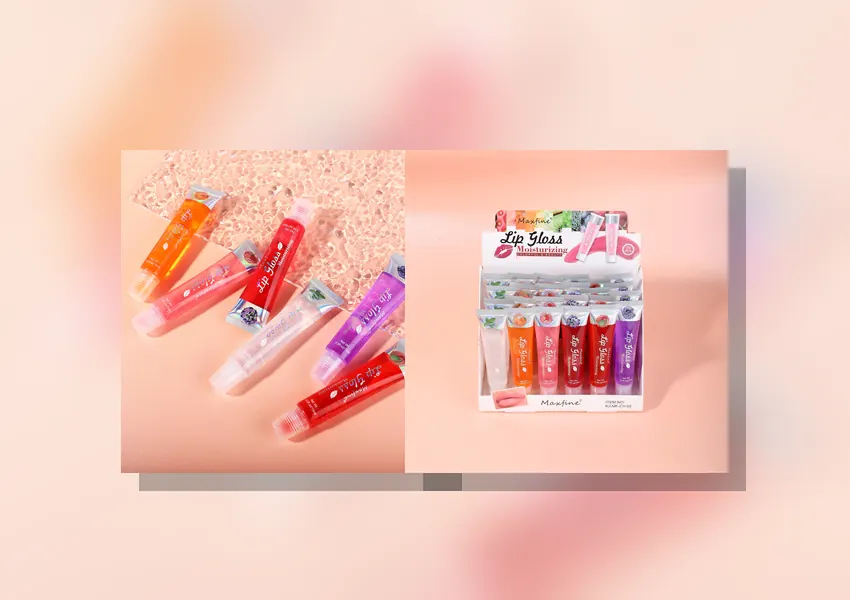
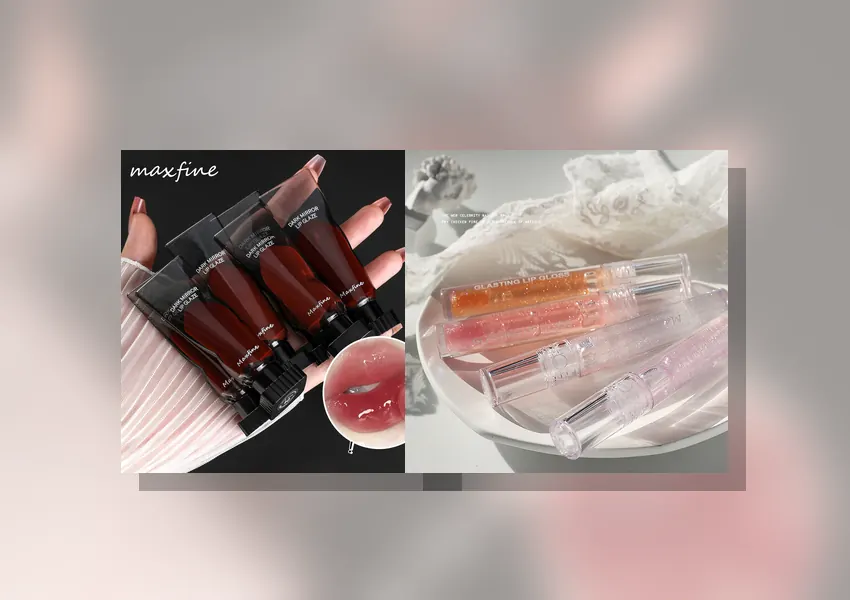
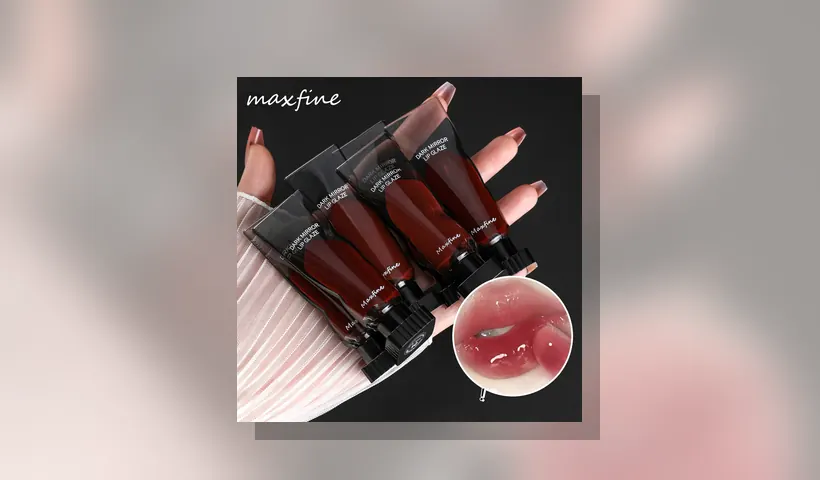
Packaging should be chosen while the formula is still being tuned, not after. L&J Cosmetics include several pack directions: a moisturizing glass lip gloss model KJ-MF-CY-10 with 5.2g fill, six color options, and a 2.2 x 2.2 x 9.2cm pack; a capture lip gloss model KJ-BVG-CY-12 with 6g fill and a slim 1.5 x 1.5 x 8.2cm size; and a dark mirror water gloss lip glaze model KJ-MF-CY-07 with 5g fill in a 3.3 x 2.3 x 9.2cm format. These details are useful because a brand can compare shelf presence, fill weight, and applicator reach before committing to a final line plan.
Thicker lacquer textures need a wiper that removes excess without stripping the wand. A very fluid gloss needs tighter control, otherwise, the neck may flood, and the user gets too much product. The cap and seal should also be checked during long-term storage, especially for formulas rich in oil and aroma. Packaging material should not discolor, react with the formula, or create odor migration that competes with the fruit aroma often used in lip gloss collections.
How Private Labels Should Brief a Lip Gloss Manufacturer
A good brief for a lip gloss manufacturer should include finish, shade transparency, target tack level, flavor direction, applicator preference, fill weight, and target claims. L&J Cosmetics, founded in 2009, works as an OEM/ODM cosmetics manufacturing platform in China with more than 150 employees and a production base of more than 20,000 square meters. Those capabilities are most relevant when a private label project needs shade adjustment, packaging selection, sampling, and bulk checks under one development flow.
The clearest approval route is simple: approve the shine standard first, then the comfort feel, then the pack. Do not sign off only from a studio photo. Ask for lip wear notes, warm storage results, bulk color comparison, and applicator feedback. If the product needs to layer over matte lip products, test that use case directly. A lacquered gloss can be beautiful and still fail if it lifts the base color or gathers at the center of the mouth.
FAQ
Q1: Can a lacquered lip gloss be glossy without feeling sticky?
A1: Yes. The formula needs the right balance of oils, structured gel feel, and film behavior. A non-sticky lip gloss should be tested after the shine settles, not only during the first swatch.
Q2: Is glass lip gloss usually sheer?
A2: Often, yes. Gloss formulas usually give lighter color and stronger luster than lipstick. A sheer glass lip gloss can still show color through layering, pearl choice, or a slightly higher pigment load.
Q3: What should be checked before approving a high-shine lip gloss sample?
A3: Check gloss photos within an hour, feathering, transfer after film formation, bulk color consistency, heat and cold storage, applicator pickup, and whether the final pack seals cleanly.
Q4: Can the same lacquered lip gloss work over matte lipstick?
A4: It can, but the sample should be tested over the exact matte base. A good overlay gloss should add shine without dragging pigment, creating streaks, or breaking the base film.
Q5: What information helps L&J Cosmetics quote a private label gloss project?
A5: Useful details include target finish, shade list, fill weight, packaging style, aroma preference, applicator type, order quantity, claim direction, and any reference sample that shows the desired shine and tack level.