
Lip Oil vs Lip Gloss: Texture, Pigment Load, and Packaging Compatibility
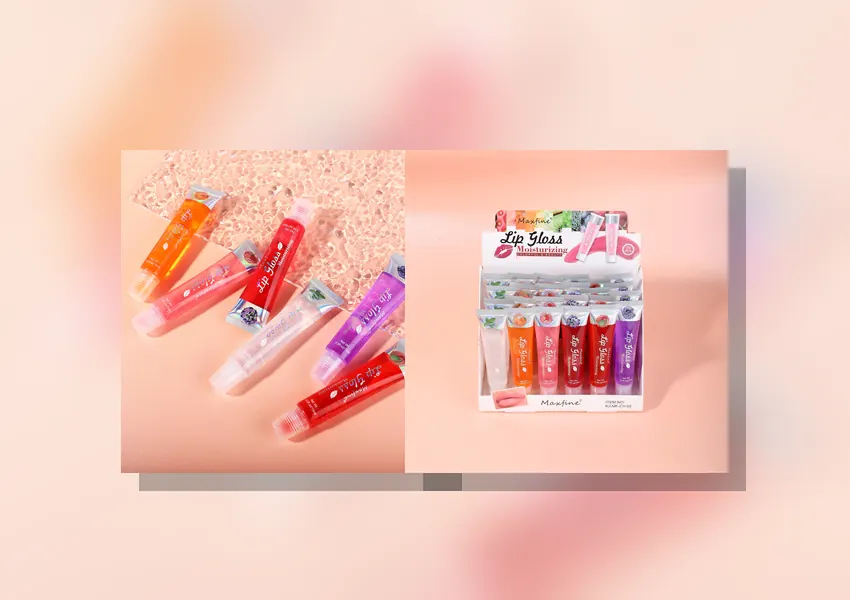
Lip oil and lip gloss can sit close together in a retail display, but they should not be briefed as the same product. A gloss usually sells the look first: shine, color, plumpness, a glassy finish over bare lips or lipstick. Lip oil sells comfort first, then shine. It should feel cushioned, lighter, and more care-led, often with softer color. For private label teams, the comparison is not a trend question. The real question is whether the planned formula, pigment level, wiper, bottle, and carton can support the use story promised on the front of pack.
Texture: Where the Two Products Start to Split
The most useful way to compare lip oil vs lip gloss is to begin with texture. Lip gloss is commonly built for visible luster, sometimes with pearl or a gelled shine system that leaves a smooth coating. Lip oil should move more easily, feel thinner at first contact, and leave a soft cushion rather than a sticky film. L&J Cosmetics’ lip care category includes lip masks, balms, oils, and lip milks, with a care role that helps keep lips soft and can support better adherence of later lip makeup. That care-led direction is a different promise from a lacquer gloss.
A gloss can be lightweight too, but a private label lip oil has less room for tack. If the formula feels stringy, the shopper may treat it as a poor gloss rather than a comfortable oil. On the other hand, a lip oil that is too thin may leak from the wiper or disappear too quickly. Sampling should include glide, cushion after five minutes, shine after thirty minutes, and whether the lips still feel conditioned after the visible shine starts to fade.
Care Feel Should Not Erase Makeup Value
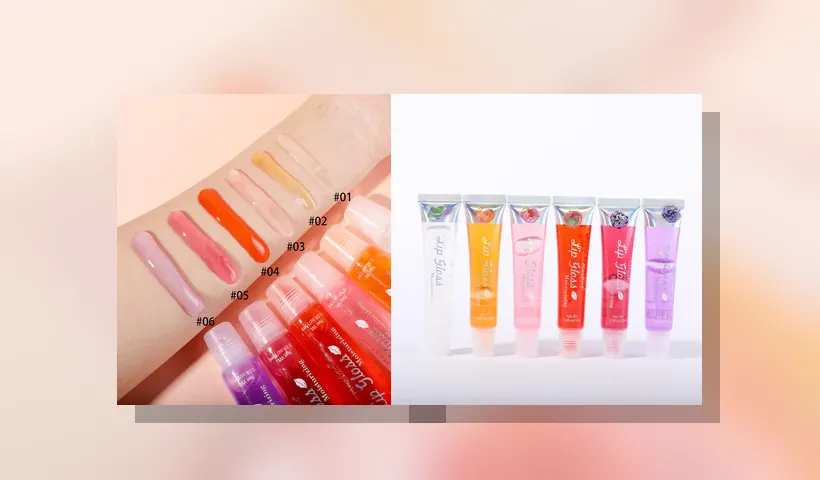
Care positioning does not mean the product has to be almost clear. A lip oil can carry a soft tint, fruit aroma, and a polished finish. The danger is overloading pigment or pearl until the product loses the easy, oil-like glide. That is where a clean product map helps: clear care oil, sheer tinted oil, shimmer oil, and richer gloss should be approved as different texture families, not forced into one formula.
Pigment Load and Color Payoff
Pigment load changes the shopper’s expectation. A lip gloss formulation can accept more visible color because gloss buyers already expect a makeup effect. Still, gloss is usually lighter in coverage than lipstick and is often used with lipstick when shoppers want a shiny or lustrous lip look. Lip oil should normally keep color softer. If it becomes too opaque, the sensory story may no longer match the category name.
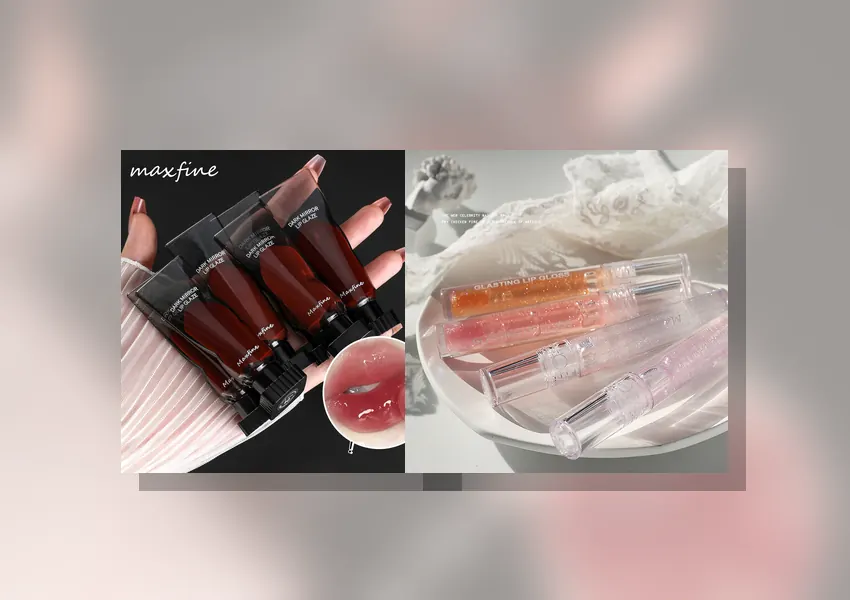
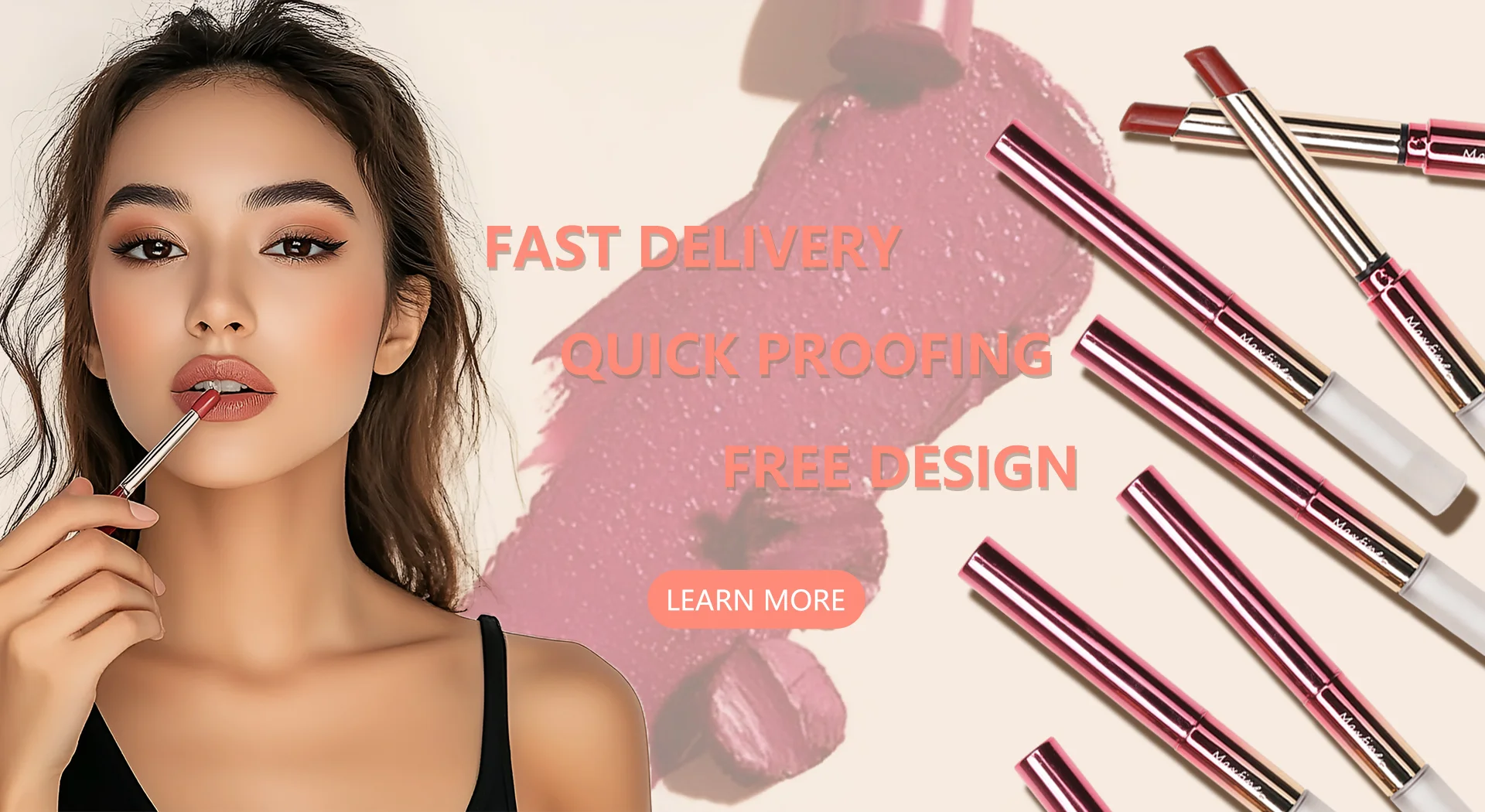
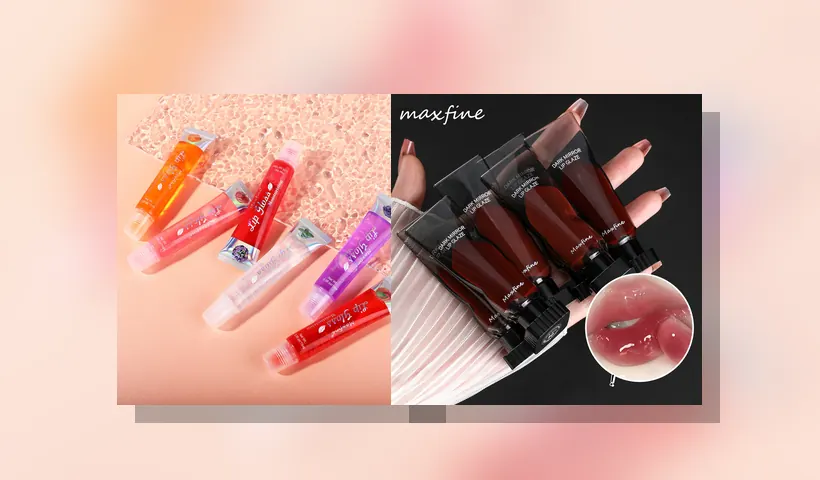
For brands, the commercial choice is clear. A tinted oil works well for everyday comfort, quick application, and low-mirror touchups. A gloss works better when the campaign depends on shine photography, fuller-looking lips, or visible color play. L&J Cosmetics’ products include Maxfine lip oil/lotion-style items such as MF-CY-08 glossy lip gloss with 3.2g fill and six colors, KJ-MF-CY-02 fruit hose lip glaze with 15ml fill and six colors, and MF-CY-07 glossy lip gloss with 1.9g fill and four colors. These different fills and packs show why formula and packaging should be chosen together.
Shade Approval Needs the Final Package
Color should be reviewed from the final bottle whenever possible. Some transparent packs make a shade look warmer or deeper. A thick wall can distort pearl. A narrow tube can make a color look more concentrated than it appears on the lips. Bulk color consistency should be compared with the approved color standard, but the brand should also check how the shade reads in pack, in a swatch, and on lips.
Packaging Compatibility: The Quiet Risk in Oil-Rich Formulas
Oil-rich formulas put pressure on packaging. Good lip oil packaging is not only a pretty bottle. It has to manage leakage, wiper drag, cap seal, odor migration, and long-term contact with the formula. Cosmetic packaging compatibility checks should look at plastic, glass, metal decoration, inner plugs, wipers, labels, and any coating that sits near the formula. Materials should not react, discolor, release unwanted odor, or affect product appearance during storage.
The wiper is especially important. A thin lip oil may need a tighter wiper so the wand does not flood. A plusher gloss may need a wider opening or softer wiper so the applicator still picks up enough product. Drop tests also matter for e-commerce and export orders. A beautiful tube that cracks, leaks, or loosens during transport creates a quality issue long before the shopper judges the formula.
How to Choose Between Lip Oil and Lip Gloss for a Private Label Line
The right choice depends on the job the SKU has to do. If the line needs comfort, a care-led story, and easy daily use, a private label lip oil is a strong direction. If the line needs a high-shine photo finish, more visible color, or layering over lipstick, gloss will usually be easier to sell. Brands can also place both in one lip wardrobe: oil for prep and day wear, gloss for shine and makeup looks.
L&J Cosmetics can support this decision with OEM/ODM development, sample adjustment, shade review, and packaging coordination. The company was founded in 2009 and runs a China-based production platform with more than 150 employees and more than 20,000 square meters of manufacturing space. Those facts matter for a private label buyer because lip oil and gloss projects often need several rounds of texture and pack checks before the final formula is ready for production.
Sampling Checklist Before the First Order
Before placing a launch order, buyers should request texture notes after five and thirty minutes, gloss photos within an hour, shade comparison in bulk and final pack, feathering review, high and low temperature checks, storage compatibility, seal testing, and carton drop feedback. A formula that passes only the first swatch is not enough. Lip oil and gloss both live in bags, cars, bathrooms, and warm delivery routes. Feel free to contact us!
FAQ
Q1: What is the main difference between lip oil vs lip gloss?
A1: Lip oil usually focuses on a soft care feel, lighter glide, and comfort-led shine. Lip gloss focuses more on visible luster, color effect, glass finish, and makeup layering.
Q2: Can a private label lip oil contain pigment?
A2: Yes. A private label lip oil can be clear, softly tinted, or lightly shimmered. The pigment level should stay aligned with the oil texture so the product still feels easy and comfortable.
Q3: Why does cosmetic packaging compatibility matter for lip oil?
A3: Oil-rich formulas stay in close contact with wipers, plugs, bottle walls, labels, and caps. Compatibility checks help catch leakage, discoloration, odor migration, seal weakness, or decoration problems.
Q4: Is lip gloss formulation harder than lip oil formulation?
A4: Neither is automatically harder. Gloss often needs closer control of shine, tack, pigment, and film feel. Lip oil needs careful control of viscosity, leakage, cushion, and pack fit.
Q5: What should brands prepare before asking for a lip oil sample?
A5: Prepare the target texture, tint strength, aroma direction, applicator style, bottle preference, fill weight, claim direction, and a reference product that shows the desired glide and after-feel.