
Lip Gloss vs Lipstick: Which Is Best for Everyday Wear in 2026?
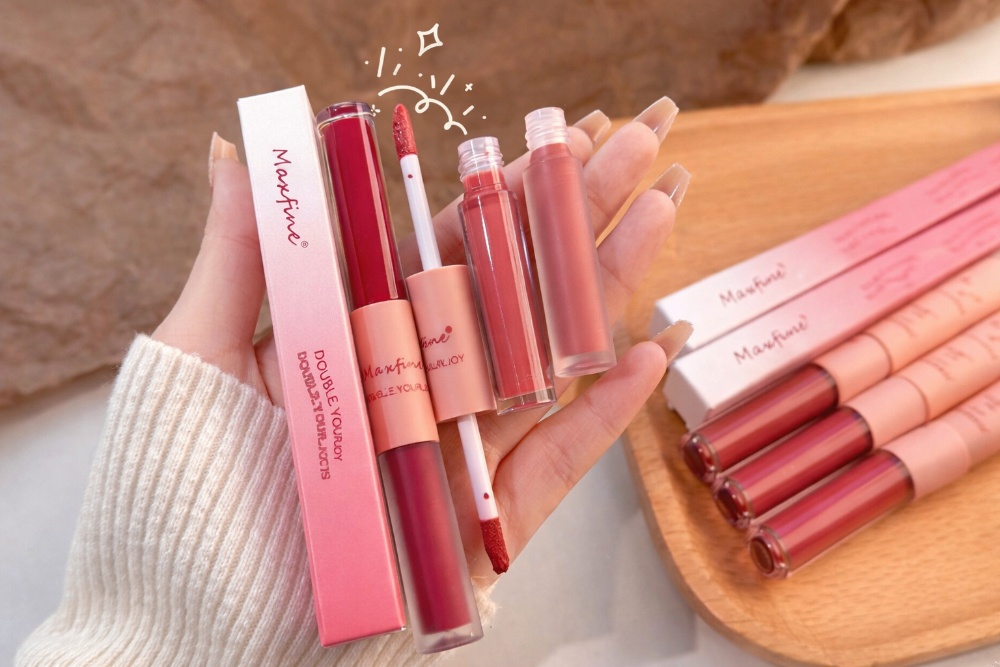
Daily lip makeup looks simple until a product has to perform through a full day. It needs to feel comfortable, wear neatly on the lips, remain presentable in natural light, and stay easy to refresh after drinks, meetings, commuting, or a quick mid-day touch-up. That is why the question of lip gloss vs lipstick still matters in 2026, even as lip trends continue to move toward softer finishes and easier routines. At L&J Cosmetics, we look at this question from both a product-development perspective and a daily-wear perspective, with a lip product portfolio that covers multiple textures and finish directions.
There is no universal winner. Lip gloss often performs better when everyday wear calls for comfort, shine, and a fresher finish. Lipstick remains stronger when the goal is clearer shape, more visible color, and a more polished result. For many buyers and product planners, however, the more useful answer in 2026 is not gloss or lipstick alone, but a format that can combine both functions more efficiently. That shift aligns with the current market preference for glossy lips, lighter color expression, softer edges, and easier reapplication throughout the day.
Why This Question Matters More in 2026
The key shift in 2026 is not simply that glossy lips have returned. It is that finish now carries more weight in daily product choice. Buyers are placing greater value on products that feel lighter, look more refined in ordinary wear, and fit faster routines without losing visual appeal. In practical terms, that means strong everyday performance now depends as much on comfort and finish as on color payoff.
This change also affects how lip gloss and lipstick are evaluated. The older split was straightforward: lipstick for definition, gloss for shine. That distinction is still useful, but it is no longer sufficient. Modern gloss formats are generally less sticky than earlier versions, while lipstick now spans far more than traditional dry matte formulas. Gloss lipstick, glossy lipstick, and other hybrid textures have expanded the middle ground considerably.
From an everyday-wear perspective, the central issue is product behavior. A commuter, office user, student market, or casual beauty consumer does not necessarily need the strongest pigment in the category. What matters more is whether the product sits comfortably, keeps the lips looking healthy, and remains manageable throughout the day. That is one reason lip gloss, gloss lipstick, and dual-format lip products are receiving greater attention in current lip category planning.
Where Lip Gloss Performs Better for Everyday Wear
Comfort, shine, and a fresher finish
Lip gloss performs especially well when the objective is softness rather than strict definition. A well-developed hydrating lip gloss can add immediate shine, create more dimension, and make the lips look fuller without relying on a dense layer of color. For everyday wear, that matters because daily makeup often benefits from flexibility. A glossy finish can refresh the overall look quickly, particularly when the rest of the makeup is light.
This is also where formulation progress has strengthened the category. Recent gloss directions place more emphasis on a lighter feel, visible hydration, and lower stickiness. The uploaded lip materials support the same direction, highlighting high-shine gloss, non-sticky comfort, glass lips effect, and a more moisturizing feel rather than a heavy lacquer-like finish. Those qualities make lip gloss more relevant to daily wear than many buyers assumed in earlier market cycles.
Easier touch-ups during the day
Another clear advantage is ease of reapplication. Lip gloss is often more forgiving during touch-ups because it can usually be refreshed without the buildup that heavier lipstick textures may create. When the formula is light and the finish remains smooth, reapplication tends to be simpler and visually cleaner. That makes gloss particularly suitable for daily use scenarios such as commuting, desk-side touch-ups, casual retail settings, and light on-camera makeup.
Better fit for dry or texture-prone lips
Lip gloss also holds an advantage for users whose lips are dry or prone to visible texture. The reference materials note that glossy, moisturizing lip textures can help soften the look of dryness, reduce the visibility of lip lines, and create a brighter finish overall. In practical daily use, that often makes gloss more forgiving than a conventional matte lipstick, especially in colder weather, air-conditioned interiors, or long working hours.
Where Lipstick Still Wins
Clearer shape and stronger color structure
Lipstick remains the stronger option when everyday wear requires more structure. It defines the lip shape more clearly, gives stronger visible color, and generally reads as more polished in formal settings. For office makeup, meetings, presentations, or markets where consumers still prefer a cleaner lip line, everyday lipstick retains a clear advantage. The lip reference materials also describe lipstick as the format that gives the lips richer color and a stronger visual presence, which remains accurate in daily wear.
That said, not every lipstick is equally suitable for everyday use. In many cases, daily wear benefits more from creamy, moisturizing, satin, or glossy lipstick textures than from a very dry matte finish. The same reference materials describe moisturizing and creamy lipstick textures as lighter, more comfortable, and better suited to natural daily makeup. This is why, in practical product comparisons, the more useful distinction is often gloss vs softer lipstick, rather than gloss vs the driest matte formula available.
Better for polished, low-shine markets
Lipstick is also easier to position in product lines built around a more classic makeup preference. Some users still prioritize color before shine. In those cases, daily lipstick remains the better fit because it can stand alone, pair well with lip liner, and create a more controlled result for workwear, understated makeup, or routines that still require visible definition. This is one reason lipstick remains commercially important even in a gloss-led cycle.
Why a Dual-Format Product Makes More Sense for Many Buyers
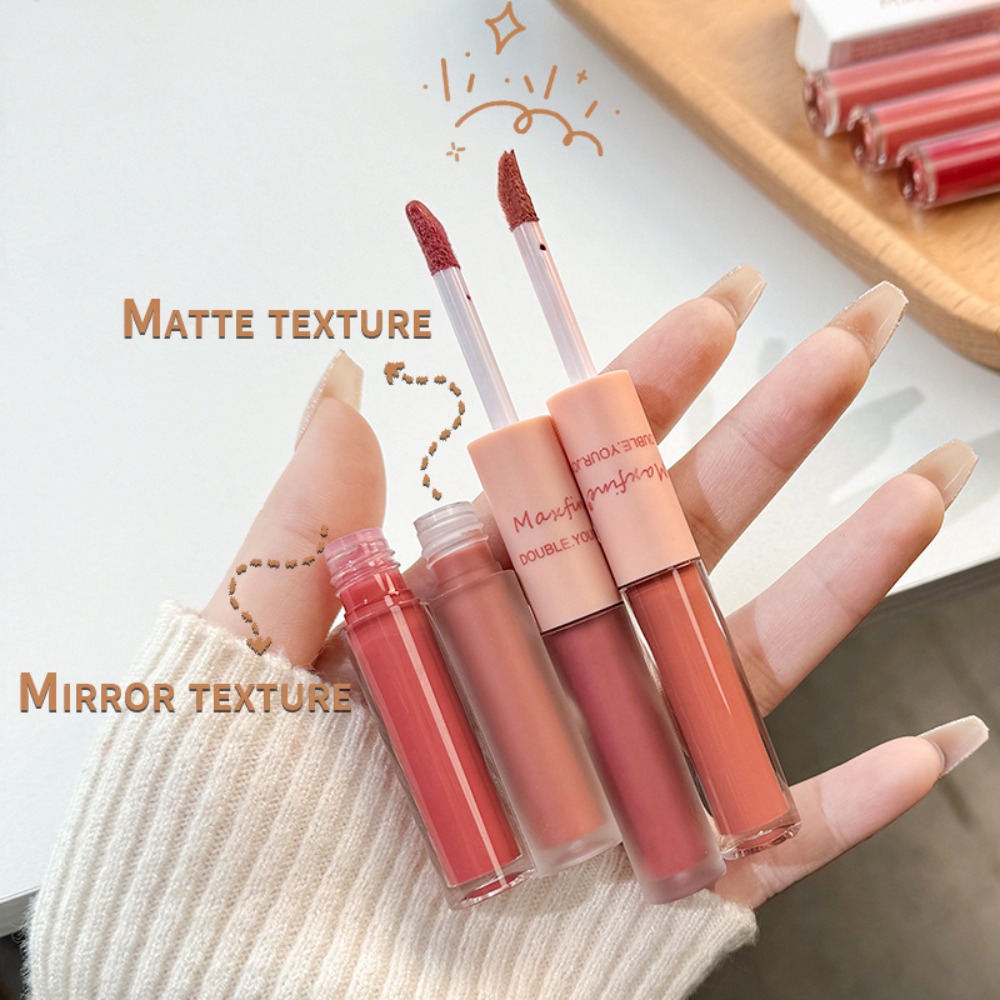
For many buyers, the most practical answer to lip gloss vs lipstick is a format that can offer both finishes within one product. A dual-format design addresses a common daily-wear need directly: some users want the color structure of lipstick, but they do not want to give up the shine and flexibility of gloss. That is why a format such as 2 In 1 Lipstick Lip Gloss is commercially relevant in 2026. The product sits naturally within the lip category, while the uploaded materials support a lipstick-and-gloss direction built around shine, comfort, and more flexible wear.
From a daily-use standpoint, this type of format solves several practical issues at once. It reduces the need to carry separate color and gloss products, allows the finish to shift during the day, and fits current demand for glossy lips without forcing the user into a single look from morning to evening. The uploaded lip gloss materials also support qualities such as mirror-like shine, a lighter feel, moisturizing comfort, and reduced stickiness after film formation, all of which are relevant to everyday use.
From a B2B perspective, dual-format lip products also help narrow the gap between trend appeal and line efficiency. A brand does not have to build one message around gloss and another around lipstick alone. The same product can be positioned around gloss lipstick, daily lip makeup, non-sticky lip gloss, or a fast touch-up routine, depending on market focus and channel strategy. That flexibility makes the format useful for everyday lip collections, starter ranges, giftable sets, and gloss-led assortments that still require visible color payoff.
How to Choose the Best Option for a Product Line
If the target user values hydration, quick application, and a fresher finish, lip gloss or gloss-forward formats are often the better choice. If the line is built around work-ready polish, clearer lip definition, or lower-shine preferences, lipstick usually has stronger category logic. If the market expects portability, flexibility, and easier movement between day and evening wear, a 2-in-1 lipstick lip gloss format is often the most balanced option. That is one of the clearest lessons from the 2026 lip category: finish, comfort, and use scenario now matter as much as pigment level.
This is also why lip category planning should begin with real wear behavior rather than trend language alone. Phrases such as best lip gloss for everyday wear and best lipstick for everyday wear point to practical product questions about texture, tackiness, hydration, shape retention, and reapplication habits. When those product factors are handled well, search relevance and product relevance tend to align more naturally.
From Product Idea to Service Support
For brands crafting routine lip sets, item choice is just the start. Build direction, shade setup, packing, and surface placing all shape if a lip gloss, lipstick, or dual-style piece can succeed in sales. Our firm details outline a business centered on cosmetics making, custom work, and full support, while the site stresses an able service group, quick replies, fast shipping, caring follow-up, and export know-how in global areas. That backing counts most when a brand aims to shift fast from idea to ready lip goods.
That service side is key in a year like 2026, when routine lip needs span many paths: glassy glow, fuzzy mildness, thin lipstick, and mixed styles. In such a market, the helpful supplier is not one with the biggest list only, but one that can turn a pattern into a solid daily formula and packing plan. For brands checking gloss lipstick, hydrating lip gloss, or a dual-end lipstick-and-gloss style, reach out to us to keep the talk going.
FAQ
Q:Is lip gloss better than lipstick for everyday wear in 2026?
A:Not in every case. Lip gloss is often better for comfort, shine, and quick touch-ups, while lipstick is still stronger for shape and clearer color. For many daily-use scenarios, the better option depends on whether the user wants freshness or definition.
Q:What makes a good everyday lip gloss?
A:A good everyday lip gloss should feel light, look smooth, and avoid excessive tack. Hydration, clean shine, and easy reapplication matter more in daily wear than extreme gloss alone.
Q:Why does a 2-in-1 lipstick and lip gloss format suit daily routines well?
A:Because it gives users two practical options in one product. They can wear the lipstick alone for a cleaner result or layer gloss on top when they want more shine and dimension later in the day.
Q:Which is more suitable for dry lips, lip gloss or lipstick?
A:Lip gloss is usually more suitable for dry lips because it tends to give a softer, more hydrated finish and can make lip lines look less visible. A moisturizing lipstick can also work well, but very matte formulas are often less forgiving in everyday wear.
Q:How should buyers choose between lip gloss, lipstick, and a 2-in-1 lip product?
A:The choice should start with the target market and daily use scenario. Lip gloss is a better fit for shine-focused, comfort-driven lines. Lipstick suits ranges that need clearer color and a more polished finish. A 2-in-1 lip product is often the most practical option when a brand wants both color payoff and gloss in one everyday item.