
Peel-Off Lip Stain vs Traditional Lip Tint: Which Formula Reduces Transfer Without Drying Lips
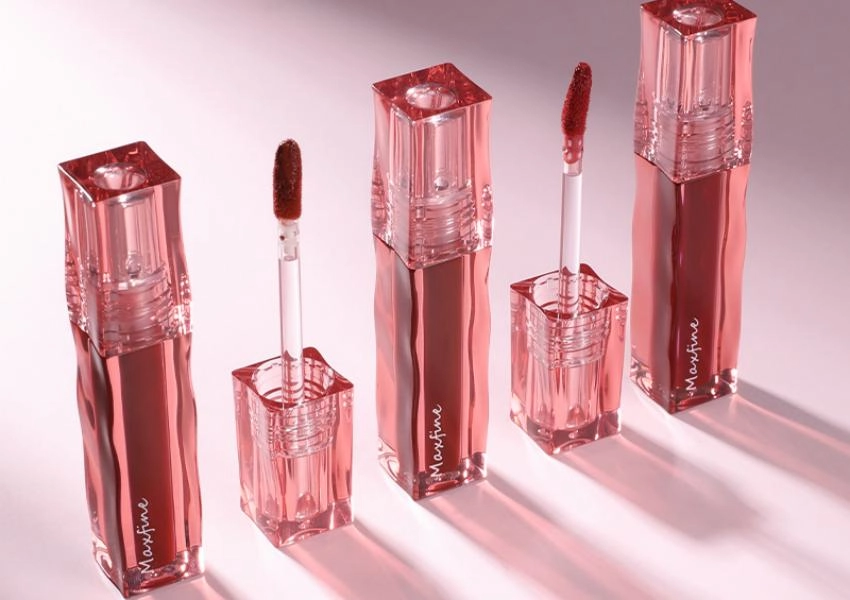
Transfer control has become a serious lip category question, not just a claim for a front label. Cups, masks, hair, white collars, and phone screens all expose weak formulas quickly. A peel-off lip stain and a traditional lip tint can both promise long wear, yet they behave very differently once the film sets and the lips start moving.
For private labels, the real decision is not which format sounds newer. It is which texture gives the target customer enough stain, enough comfort, and fewer complaints after daily eating and drinking. The right answer depends on film formation, pigment load, dry-down speed, and how the product feels after the glossy first minute is gone.
What Changes When Color Comes From a Film Instead of a Tint
A traditional tint usually spreads as a thin liquid or gel and leaves color as it dries. It can feel light, quick, and easy for casual users. A peel-off lip stain works in a more staged way: apply a visible layer, let it form a film, peel it away, and leave a stain behind. That process can reduce surface color sitting on the lips, which is why transfer control is often stronger.
The tradeoff is timing. A tint is simpler at the counter and easier for fast touch-ups. A peel-off format needs clear instructions and a formula that peels cleanly without grabbing dry skin. If the film breaks into small pieces or leaves color at the lip edge, customer complaints arrive faster than repeat orders.
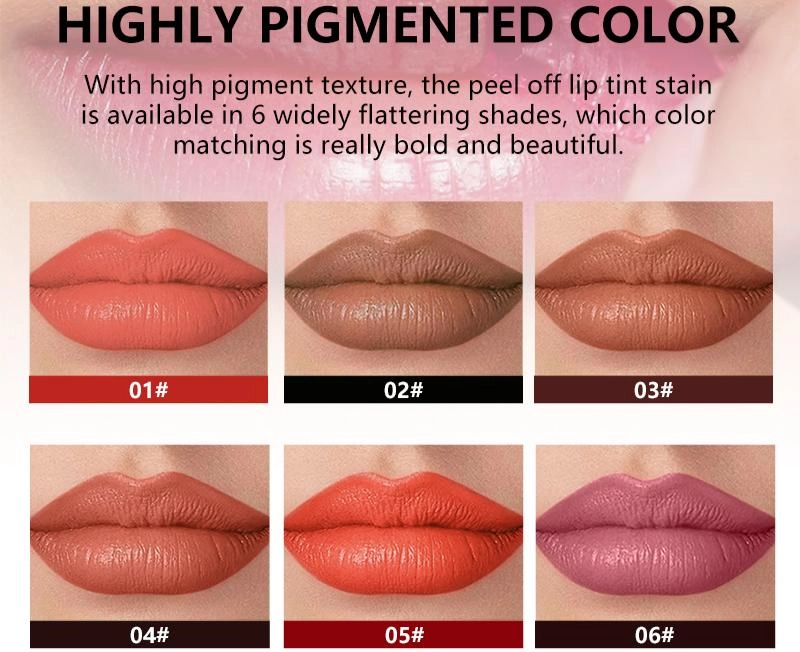
L&J Cosmetics’ peel-off lip stain tint offers a direct product route for brands exploring this format. It also has a peel-off lip gloss option with 2.8 ml net volume and six color choices, which is useful when a buyer wants a compact shade set before building a larger range.
Lip Stain vs Lip Tint: Transfer, Comfort, and Wear
In a lip stain vs lip tint comparison, transfer is only one part of the answer. A transfer-proof lip stain may leave less color on cups after the film is removed, but it can feel less forgiving if the user applies it over dry lips. A traditional tint often feels easier, though it may continue to move if the formula leaves too much surface gloss or oil.
Film-forming agents are central here. Silicone film formers, for example, can help color cosmetics dry faster, resist water and sweat, reduce migration, and improve pigment dispersion. Used well, they support long-lasting properties without making the product feel chalky. Used too aggressively, the finish may feel tight.
L&J Cosmetics’ lip product notes give a useful bridge between the two formats. The BVG Lip Tint Set is described as water-thin, high-saturation, and long-wearing, with moisturizing ingredients that help hydrate lips and reduce the look of lip lines. After film formation, it is not easy to stain cups or get stuck on hair, while still keeping basic gloss and lip shape after daily eating and drinking. That is exactly the comfort-transfer balance many private label lip tint projects are trying to reach.
A good buyer test should cover four moments: first application, dry-down, cup contact, and lips after two to four hours. If the stain survives the cup test but the lips look cracked, the formula is not ready for a comfort-focused market.
When Peel-Off Stain Makes More Sense for a Private Label Line
Peel-off stain works best when the brand can teach the usage steps clearly. It is strong for novelty launches, transfer-control campaigns, and kits where consumers already expect a small ritual. The format also photographs well for social selling because the peel step shows a visible before-and-after moment.
Still, the formula has to behave. The film should dry in a reasonable time, peel in one or two clean sections, and leave an even color. The lip edge needs special attention. If pigment pools at the border, the final look can turn patchy even when the center looks good.
Best-fit private label uses
A peel-off lip stain suits travel sets, transfer-conscious daily makeup, summer capsules, and playful retail formats. It can also support shade bundles where the same base formula carries several berry, rose, and warm red tones.
Buyers reviewing L&J Cosmetics’ wider lips category can compare peel-off products with lip gloss, glaze, lipstick, liner, and care items. That helps a brand decide whether the stain should stand alone or sit beside a gloss topper.
When Traditional Tint Is the Safer Commercial Choice
Traditional tint is often safer when speed and low learning cost matter. A customer can apply it like a normal liquid lip product, blend the edge, and leave. For mass retail, that simplicity can matter more than the strongest transfer story.
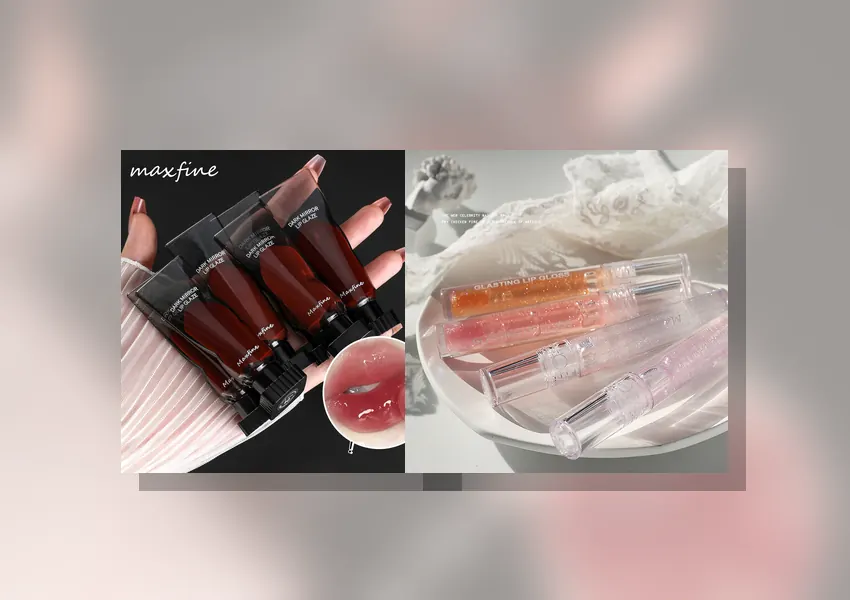
A private label lip tint also gives more room for a soft gloss effect. L&J Cosmetics’ product supplement describes lip gloss directions with fruit aromas, pearl shimmer, and a mirror-like glass lip effect; some gloss formulas can be layered over matte lipstick or matte lip glaze. That matters because many consumers still want freshness and comfort, not only endurance.
For a brand that needs a long-lasting lip color but does not want the peel step, products like mousse lip tint or related tint/glaze routes may be easier to sell. The decision should follow the channel: online novelty, salon trial, chain-store shelf, or gift set.
Supplier Checks Before Approving a Transfer-Resistant Formula
Transfer-resistant lip products should not be approved from a pretty arm swatch alone. The test has to include lips with natural movement, a cup or tissue contact check, edge feathering, and comfort after wear. For liquid lip products, the film formation stage is especially important because it decides whether pigment stays even or gathers into lines.
L&J Cosmetics has been active since 2009 as an OEM/ODM cosmetics manufacturing platform in China, with more than 150 employees and more than 20,000 square meters of recorded production space. That scale matters when a brand is moving from sample testing to repeatable filling, packaging, and shade consistency across a small set or a larger seasonal program.
Supplier conversations should cover:
1. Film-forming feel after full dry-down, not only first swipe.
2. Cup, tissue, and hair-contact checks after the product sets.
3. Shade evenness after peeling, eating, and drinking.
4. Moisturizing support for dry or lined lips.
5. Packaging instructions that prevent misuse and returns.
A brand comparing formulas can use L&J Cosmetics as a starting point for OEM/ODM discussion, then move quickly into samples, texture, shade count, claims, and packaging language. The product decision should stay practical: a transfer-proof lip stain is valuable only if the lips still look good after the transfer test.
FAQ
Q1: Is peel-off lip stain always more transfer-resistant than lip tint?
A1: Often, yes, because surface color is reduced after peeling. The result still depends on film quality, pigment balance, dry-down, and how evenly the stain remains.
Q2: Does a transfer-proof lip stain have to feel dry?
A2: No. Film formers can support transfer control, while moisturizing ingredients and a flexible finish help reduce tightness and the look of lip lines.
Q3: Which format is better for a private label lip tint launch?
A3: Traditional tint is safer for simple daily use. Peel-off stain is stronger for novelty, transfer-control stories, and markets that accept a short application ritual.
Q4: What should be tested before approving long-lasting lip color?
A4: Test dry-down time, cup transfer, lip edge feathering, evenness after wear, comfort on dry lips, and color match between sample and bulk goods.
Q5: Can L&J Cosmetics support peel-off and tint product development?
A5: Yes. L&J Cosmetics works across lip makeup categories and can support OEM/ODM discussions around formula type, shade range, packaging, samples, and repeat production.