
Liquid vs. Stick Foundation: The Ultimate Difference in Texture, Coverage, and Oil Control for a Flawless Matte Finish
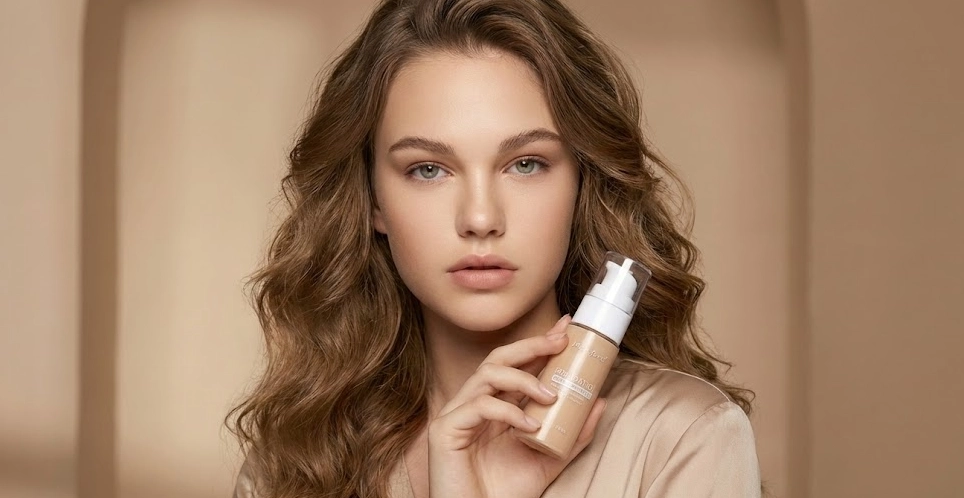
The beauty world sees a large change toward clean, strong base makeup. This shift brings back items that work well and look polished. The “Cloud Skin” idea spreads fast on TikTok, and many people still want a “Soft Matte” skin tone that lasts. Shoppers look for a feel that matches their daily habits, instead of just basic hiding of flaws. The discussion about keeping skin wet versus making makeup last goes on and on. Beauty lovers keep asking if the old liquid bottle works better, or if the small stick type has become the new favorite. These questions show how choices in makeup change with time and needs. People want products that fit busy lives and different skin types without extra hassle.
L&J Cosmetics has played a major role in these talks for more than 14 years. The company started in 2008 in Zhejiang, China. It built up to become a top maker of beauty items. The focus stays on giving good-quality products with new ideas and careful steps. The factory spreads over more than 20,000 square meters. A dedicated group of over 150 workers runs it every day. This team does not only copy popular styles. Instead, it joins in to make them happen. The main belief, “Quality First, Innovation Always,” guides the work. It leads to using modern tools for making and andsolid-checkingd basic materials. Custom services form a big part of what they do. These services help brands around the world turn special wishes into products ready for stores. Every foundation cosmetic made follows world safety rules. This approach builds trust and helps products reach far places. Over the years, this method has led to strong growth and happy clients. The team keeps learning from market changes to stay ahead.
This guide explains the main differences between liquid and stick types. It covers small details about feel, how much it covers, and how it handles oil. Readers can use this info to pick what suits them best. The goal is to make clear choices easy, based on real needs like skin type or daily routine. By looking at each side, people see why one might fit better than the other in certain cases.
Liquid Foundation: The Master of Breathable Matte
Liquid foundation holds its top spot in the beauty field. Experts and users like it for its flexible nature. This lets it create a skin-close end and a smooth base. The cover can go from light to full, based on how you put it on. For anyone wanting a smart look without shine that holds up to everyday use, liquid types often win out. They feel natural and easy to work with, making them a go-to for many. This choice comes from how well they mix into skin without feeling heavy or fake.
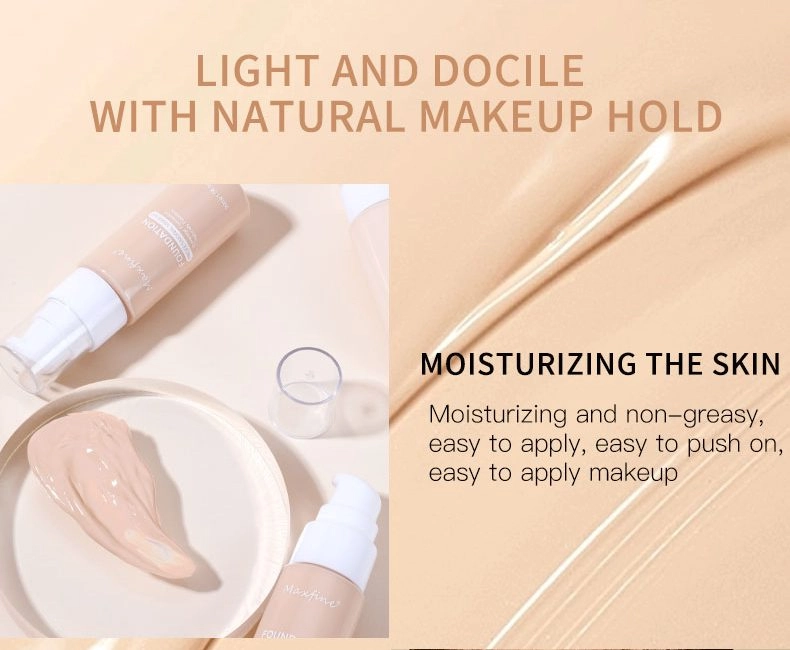
The Power of Oil Control A big strength of liquid types is adding strong oil-pull parts. These keep the feel smooth and unchanged. The Liquid Foundation Oil Control (Model CE-FDY-01) is built to fix a common problem for makeup wearers. That problem is shine that shows up halfway through the day. Thick creams can slip on oily skin, but this light liquid turns to a gentle matte look. It stays where applied and fights extra oil well. This keeps the skin looking clean and even for many hours. The net weight sits at 18g, and it comes in twelve fitting shades. It gives a fresh way to even skin color. Users avoid the tight feel of a thick layer. This product stands out for its balance of light weight and strong hold. Many reviews note how it works on different skin tones without caking up. The formula uses safe ingredients that suit sensitive skin, too. Daily users find it easy to layer with other makeup for a full face.
Texture and Finish A good liquid foundation needs a smooth flow over the skin. It also must have enough body to color the face evenly. This leads to a “Soft Matte” result. The end cuts out harsh light but keeps some real depth. It stops the face from seeming dull or one-note. Getting this mix right matters for looks that work in clear photos or normal outdoor light. The balance helps in both close-up shots and casual settings. Users often say it feels like wearing nothing, yet it covers well. This makes it ideal for long days at work or events. The texture adapts to tools like brushes or sponges, giving control over the final style.
Head-to-Head: Liquid vs. Stick Foundation Cosmetic
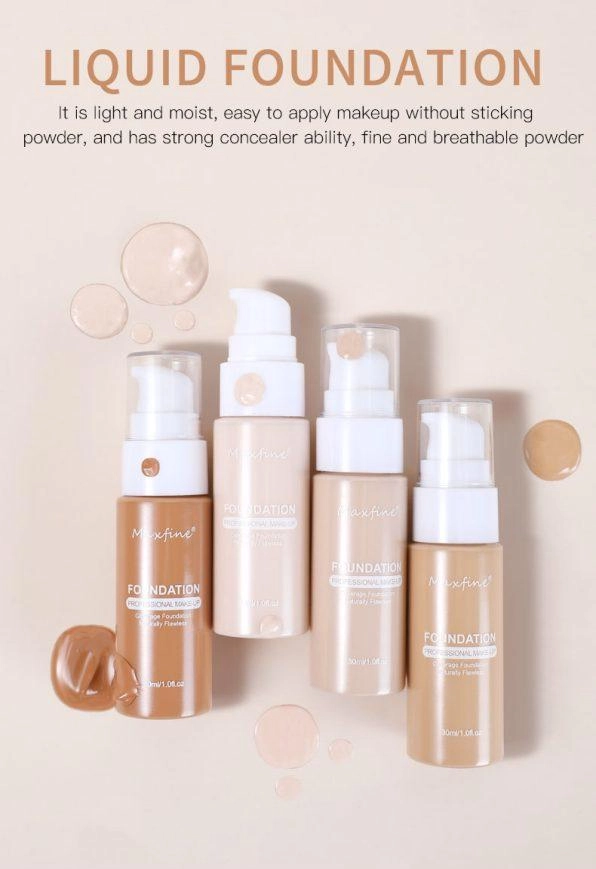
Making the right call for a product range or daily steps means looking at these two in key areas. Compare them on how they perform in real use to see their strengths.
Hydration and Skin Prep Liquid foundations hold more water, so they wet skin better by nature. They blend easily into a real look, especially on skin with texture. Stick types have less water, which helps them last longer. But this means you need good skin first. For dry skin, add moisture fully before the stick. This stops it from sticking on rough spots. Proper prep makes the end smooth and even. Skipping it can lead to patchy results, so it’s a must for the best wear.
Application Precision Put-on ways vary a lot between them. Liquid uses a pump or dropper for full control over the amount. Blend it with a wet sponge for a fresh glow or a thick brush for full hide. The stick lets exact spots, though. Put more coverage on cheeks and less on forehead as needed. It even works as a shape tool with a darker shade. This saves steps and gives control where it counts. Both fit different tools, but sticks shine for targeted work. Liquids offer more flow for big areas.
Longevity and Wear Both can last through the day, but they do it differently. Liquid choices, like oil-control ones, use parts that dry fast. They leave color and pull-oil powders that lock in. Sticks count on wax weight to hold to the skin. They often skip oil for a clean, matte end without shine. This makes full-day use really for oily skin too. Tests show sticks hold in heat better sometimes. Liquids feel lighter over time. Pick based on your day, like the office or outdoors.
Partnering with the Right Manufacturer
For beauty brands, deciding on liquid, stick, or both ties to who you sell to. But the product’s win depends fully on the mix quality. Picking the right teammate matters most here. Skilled makeup foundation manufacturers know steady results count. For a 30ml full-cover liquid or an 8.5g handy stick, making needs tight safety and quality checks. This ensures safe, good items every time. Wrong partners can lead to issues like bad batches or delays. Good ones speed up launch and cut risks.
Why Choose Private Label? Teaming with leading private label foundation manufacturers skips high costs in research and plant run. It opens doors to top mixes. At this factory, custom options cover light to full hide and wet to matte ends. Formulas get changed for perks like more wet or better oil hold. The research group watches market moves. This gives new feels, like “cream-to-powder” or “serum foundation” ideas that sell well. All items meet world rules, so sales abroad feel safe. Look into ways where quality joins new thoughts. Each link with them steps toward new beauty norms for buyers. This path helps small brands grow fast. It also lets big ones add fresh lines without a full rebuild. Samples and tests make sure it fits before big runs. In the end, it boosts sales with products that stand out.
Conclusion
The fight between liquid and stick has no clear champ. It all comes down to what you want. For a fresh, oil-managed, neat matte that feels like skin, liquid wins. Stick takes top for max hide, fast use, and easy travel. Each has its place in routines or lines. Think about skin and life when choosing.
A full beauty set usually adds both types. This covers varied times and skin wants. Brands with good picks in each meet the wide buyer needs today. It builds loyal groups who come back. Mixing them lets lines feel complete and thoughtful.
Brands ready to rise with top base items find help from the team. From the start idea to the last pack, skills and tools launch strong lines. Please contact us to talk about plans and get samples. Early chats often lead to custom wins that fit exact goals. This step turns ideas into real market hits.
FAQ
Q: Which foundation type is better for oily skin, liquid or stick?
A: Both types can do the job well in many cases. However, an oil-control liquid foundation often gets the nod for oily skin. It feels less heavy and cuts oil build-up during the day. That said, lots of new stick foundations skip oil and give a matte end. This works fine for oily skin too. The best pick depends on your routine and how it wears for you.
Q: Can stick foundation be used as a concealer?
A: Yes, the strong color and soft feel make stick foundation great for hiding spots. A small brush lets you put it right on flaws or dark rings. It covers fast without much blending. This keeps your kit simple and light for travel or daily carry.
Q: What is the minimum order quantity (MOQ) for private label foundation manufacturing?
A: Flexible MOQs help brands from small starts to big companies. Reach the team straight to talk about project details and amounts needed. This way, plans fit your size and goals without extra push.
Q: Do you offer customization for foundation shades?
A: Yes, the focus stays on custom shade work. Adjust them to fit groups and world skin tones. This makes lines open to all and ready for sales. It draws in more buyers from different places.
Q: How long does a typical foundation formulation stay fresh?
A: Closed foundation items last around 3 years on the shelf in most cases. After opening, use within 12 to 24 months for best results. This varies by the mix and how you store it. Keep in cool, dark spots to stretch time. Check dates to avoid waste.