

Tubing Mascara vs Waterproof Mascara: Which Formula Fits Everyday Retail Better
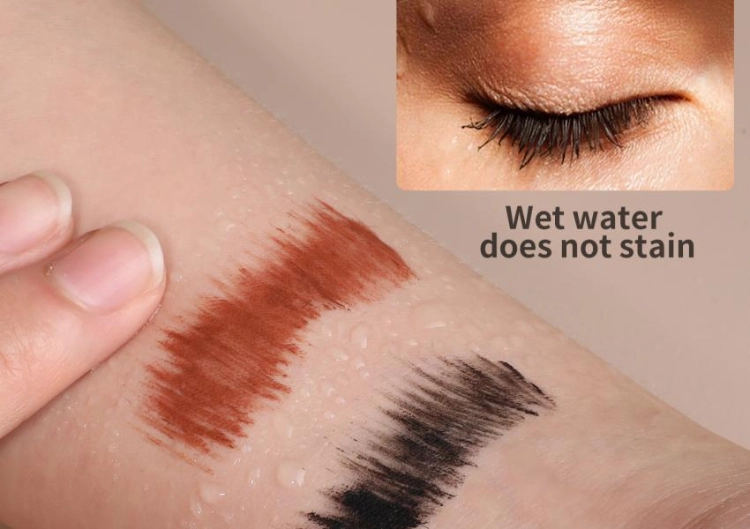
A mascara can survive a commute and still lose a retail sale if the customer dislikes removing it at night. Another formula may come off easily but leave dark marks under humid eyes by mid-afternoon. That is the practical tension behind the tubing mascara vs waterproof decisions. The best everyday product is rarely the one with the strongest claim on the front label. It is the one whose wear, brush, removal routine, pack, and target consumer all point in the same direction.
For a private label mascara brief, the comparison should happen on more than a dry formula sample. Buyers need to see how the product builds length or volume, how the film behaves around the eye, whether the brush loads too much material, and what happens when the user removes it with the cleansing product available in the target market. A formula that looks impressive in a campaign swatch can still create returns if the everyday routine feels difficult.
The Two Formats Solve Different Wear Problems
Tubing mascara forms a film around individual lashes rather than relying only on a conventional water-resistant deposit. In a good sample, that can give a cleaner removal experience and reduce the type of smudge complaint caused by wet pigment moving under the eye. Waterproof mascara takes a different route: the deposited film is designed to resist water, sweat, tears, or humidity, but its removal may require a more deliberate oil-based or dual-phase cleanser. Neither description is a performance guarantee. The finished result depends on the actual formula, amount, lash condition, and use method.
Match the Promise To The Consumer Routine
A daily office or school customer may value quick removal, a light feel, and a clean under-eye more than maximum water resistance. A humid-climate, outdoor, or event customer may accept a stronger remover routine in exchange for a firmer hold. A long-lasting mascara position should therefore state the conditions that matter: normal movement, humidity, tears, oil, or a full-day wear test. Avoid treating all of these as the same claim.
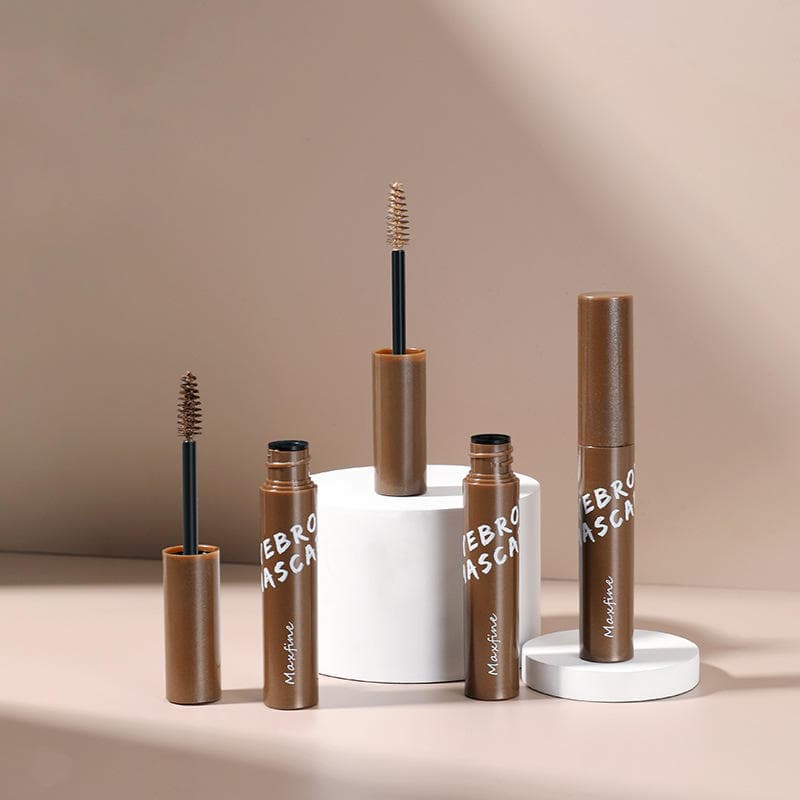
L&J Cosmetics describes mascara as an eye product used to increase lash thickness and curl. Its Maxfine mascara is described as light yet rich, with lengthening, curling, and thickening effects, three color options, and waterproof and smudge-proof positioning. These are useful directions for a buyer comparing a daily retail concept with a more resistant formula. The sample still needs to establish how the claimed behavior is achieved and how it is removed.
The same product material describes the BVG 2-in-1 mascara set as a dual-head format: one head is intended to build volume, while the other brushes lashes longer and more curled. It is presented as waterproof and smudge-proof, with lightweight portable tubes. That is useful evidence for range architecture. A brand can offer one simple daily tubing product, or it can choose a two-step volume-and-definition format, but those are different retail propositions with different brush, package, and user-instruction needs.
A relevant tubing-format reference is the skinny tubing mascara. A buyer can use that page to anchor a slim-brush, definition-led concept, then compare it with a fuller brush or a conventional waterproof sample. The page match matters: the link supports the tubing product direction, not a generic promise about every mascara.
Test Smudging, Flaking, and Removal Separately
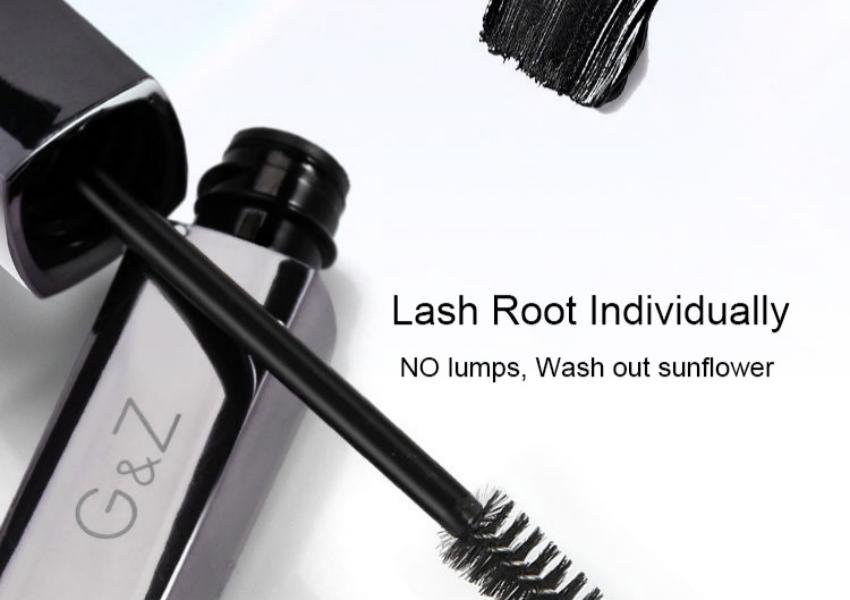
Smudging and flaking are not interchangeable. Smudging usually means the wet or softened film has migrated onto the surrounding skin. Flaking means pieces of dried product have detached from the lashes. A mascara can score well on one and poorly on the other. Record the location, timing, eye condition, application amount, and whether the user rubbed the eye. This gives a manufacturer a useful problem to solve instead of a broad request for longer wear.
Removal should be tested as a consumer action. Check the first pass with the intended cleanser, the amount of rubbing needed, residue after rinsing, and lash feel after removal. Tubing products are often judged by whether the film releases in small pieces or slips away with warm water, but that behavior must be confirmed on the actual sample. Waterproof samples should be checked with the remover the brand plans to recommend. A mismatch between formula and cleanser can become a customer-service issue even when the wear claim is accurate.
Do Not Hide the Lash-Type Variable
Straight, short, sparse, oily, and already-curled lashes do not present the same test surface. A formula that separates fine lashes may not give enough body to a thicker lash line. A heavy waterproof paste can pull down a curl, while a lighter film may preserve a lifted look but provide less volume. The buyer should choose a small representative panel or controlled mannequin-lash method and record the application sequence. No universal lash result should be inferred from one eye shape.
The fiber brush eyelash mascara is a precise link for reviewing a fiber-led brush direction. It has fiber-brush mascara as a distinct product route, while L&J Cosmetics also describes a 2-in-1 mascara with separate volume and length-and-curl heads. Those formats point to different consumer expectations, so the brush and wand should be approved together with the formula.
Brush Geometry and Packaging Can Change the Result
A tubing formula with a narrow brush may be easier to position for separation and lower-volume everyday use. A waterproof mascara with a larger brush may support faster volume, but it can also overload short lashes or touch the eyelid. These are not fixed rules. Test pickup, scrape-off at the wiper, first-stroke volume, combing, and second-coat behavior. The product should look controlled in the hands of an ordinary user, not only after an artist removes excess from the brush.
Check the package at the same time. Inspect wiper fit, cap closure, neck cleanliness, brush alignment, leakage after transport simulation, and whether the formula dries at the opening. A mascara manufacturer should also provide a clear sample identification system so the brand can compare brush, formula, and pack changes without mixing records. The mascara collection gives a suitable category bridge when the buyer is comparing several lash formats, but each product still needs its own final-pack test.
Choose the Retailer-Friendly Formula Through Sample Gates
A useful approval gate starts with the customer story: quick daily definition, dramatic volume, humid-weather hold, easy removal, or a hybrid. Then compare two or three representative formulas under the same application amount, coat interval, lash condition, lighting, and removal method. Note the visible result immediately, after a normal wear period, and after removal. If the project has no validated wear time, do not invent one for the product page.
Later in development, L&J Cosmetics can support formula direction, brush selection, packaging, printing, and sample confirmation across eye products. The supplier discussion should also cover the exact waterproof or tubing claim boundary, target cleanser, expected consumer routine, and checks for formula stability in the final tube. A clear brief makes it easier to choose the formula that creates fewer complaints, not merely the one that looks strongest in a first application.
FAQ
Q1: Is tubing mascara always better for everyday retail?
A1: No. Tubing can suit customers who value definition and easier removal, while waterproof mascara may suit humid, outdoor, or event use. The better choice depends on the target routine and verified sample behavior.
Q2: Does waterproof mascara automatically last longer than tubing mascara?
A2: Not automatically. Wear depends on the formula, lash oil, eye moisture, application amount, and environment. Compare both formats under the same declared conditions before using a long-lasting claim.
Q3: What should be checked for a tubing mascara sample?
A3: Check lash separation, buildability, film comfort, smudge and flake behavior, removal with the intended cleanser, brush pickup, and opening stability in the final tube.
Q4: Why can a waterproof mascara pull down a curl?
A4: A heavier or wetter deposit can change the lash weight and drying behavior. Test straight and curled lashes separately rather than assuming one brush or formula works for every lash type.
Q5: What should private label mascara buyers approve before bulk production?
A5: Approve the formula, brush, wiper, tube, removal guidance, wear-test conditions, claim boundary, transport checks, and a retained reference sample for batch comparison.