
Cleansing Oil Emulsification Testing: How to Prevent Residue, Cloudiness, and Packaging Leaks
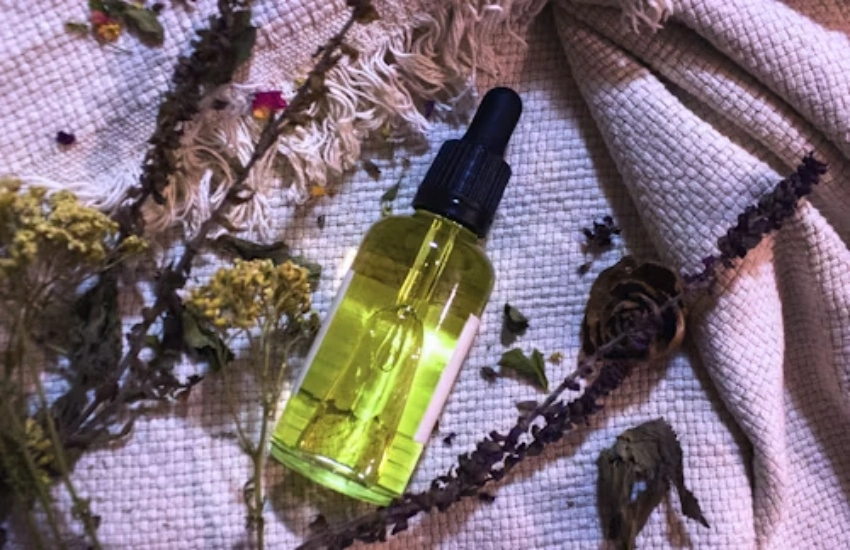
A cleansing oil can remove a full face of makeup beautifully in a laboratory demo and still create complaints after launch. The usual gap appears when water is added. The oil should turn into a fine milk quickly, carry makeup away during rinsing, and leave no slippery film around the nose, hairline, or eye area. It also has to stay clear in the bottle and arrive without a loose pump or seepage around the collar.
That is why cleansing oil emulsification is not one pass-or-fail beaker test. It is a chain of checks covering formula behavior, fragrance and active compatibility, the selected bottle, and the way cartons perform during transport. For a brand, a sample that feels pleasant on the hand is only the start of the review.
Define What Good Emulsification Looks Like
When water contacts a makeup remover oil, the cleanser needs to break into a uniform milky dispersion rather than forming white strings, oil beads, or a cloudy surface that never rinses away. Test the same amount of formula on dry hands and on a makeup-covered substrate. Add water in stages, massage for a fixed time, and rinse under a repeatable flow. Record how fast the milk forms, how much product remains after rinsing, and whether the skin still feels coated after drying.
Speed Is Only One Part of the Result
A fast flash of milkiness can look impressive, but it is not enough. The emulsion must keep carrying oils, pigments, long-wear base makeup, and sunscreen away while more water is introduced. If it breaks too early, residue can settle at the jawline or leave eye makeup smeared. If it stays too oily, users may add a second cleanser even when the product is positioned as a comfortable one-step remover.
L&J Cosmetics gives a practical benchmark: the Camellia Purifying Cleansing Oil is described as quickly emulsifying, dissolving makeup readily, rinsing easily, and being gentle around the eyes. Those are four distinct user-visible outcomes. Put them into the sample protocol separately, rather than accepting one broad claim after a single rinse.
Residue Needs a Sensory and Visual Check
You can also test against a clean glass plate or a dark compact surface, as well as by means of skin testing. After rinsing off, look for oily dots, uneven water sheeting, or a dull film. When testing on skin, first compare the slip immediately after rinsing off and then the afterfeel ten minutes later. A light afterfeel can actually be a positive, whereas a persistent waxy layer can become a problem in humid weather or before other skincare products are applied.
Keep the Oil Phase Clear and Compatible
Cloudiness is not necessarily a defect, although an unexpected haze in the product can indicate compatibility problems, temperature sensitivity, or even moisture entering the formula. Thus, check the clarity of the product: initially filling the bottle; after storage at different temperatures; after repeated opening and closing of the bottle; and after adding fragrance or active ingredients. Finally, test for cloudiness by means of photography: take a photograph of the bottle against a white background and then against a dark background. Small suspended droplets are generally easier to see when photographed against a dark background.
Fragrance and Actives Can Change the System
A fragrance that blends smoothly into the initial vital may behave differently after a few weeks or at low temperature. Botanical oils, esters, antioxidants, and oil-soluble actives can also change odor, color, or clarity. Test the final fragrance level and the final active level, not a stripped-down base. When a formula is adjusted, repeat emulsification and rinse-off checks because a small change in the oil phase can alter the wash experience.
There is a 150 ml hot spring mineral cleansing oil positioned as refreshing and non-greasy, as well as a 100 ml camellia formula. These sizes are useful reminders that the bottle format should be tested with the exact fill volume. A pump that feels smooth at 100 ml may prime differently in a taller 150 ml bottle, especially once headspace and dip-tube length change.
Treat the Bottle and Pump as Part of the Formula
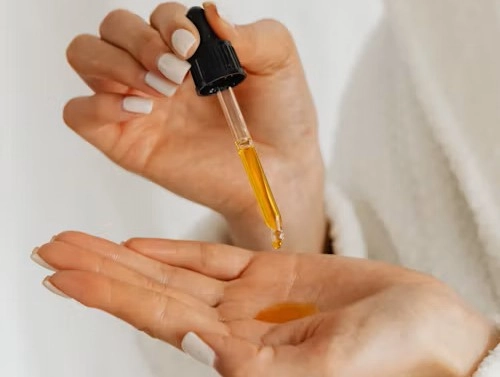
A cleansing oil is more demanding on packaging than a light toner. The formula touches the pump, dip tube, closure liner, shoulder, label adhesive, and any decorative coating for months. A good-looking sample bottle proves very little unless it has been stored full, laid on its side, inverted, and opened repeatedly. Look closely under the collar and around the pump thread. A slow oil ring can appear long before a visible leak.
Run a Practical Leak-Test Sequence
Fill production-intent bottles to the planned level, close them at the agreed torque, and keep a control sample upright. Place others on their sides and upside down. Cycle them through warm and cool storage, then inspect the neck, actuator, carton insert, and label. Follow with a vibration or drop simulation appropriate to the shipping route. The review should record weight loss, cosmetic staining, pump actuation, and any change in the product’s clarity.
Do not isolate the component test from the formula test. Some leaks are mechanical; others appear because oil travels through a liner or creeps along a thread over time. A supplier should test the final formula in the final pack. This is especially important when a brand swaps a standard pump for a lockable travel pump, changes a cap finish, or adds a secondary overcap.
Approve a Stable System, Not a Pleasant First Sample
A sound private-label cleansing oil program moves from bench sample to filled package confirmation. Request formula samples with the proposed fragrance, carry out makeup removal and rinse testing, and then repeat the work after stability storage. Approve the pump output per stroke, lock mechanism, closure, carton fit, and shipping configuration before the purchase order is released. A short written protocol prevents vague feedback such as ‘feels a little oily’ from becoming a late production dispute.
L&J Cosmetics has operated since 2009 and covers color cosmetics, nail products, and makeup-remover categories. That breadth is useful when a launch needs product development and component coordination in the same discussion. The final decision still comes down to evidence: a formula that emulsifies consistently, stays clear at planned storage conditions, rinses as promised, and remains inside its bottle from factory packing to delivery.
FAQ
Q1: How quickly should a cleansing oil emulsify?
A1: It should turn into a uniform milky emulsion promptly after water is added, then keep rinsing cleanly as more water is introduced. The exact timing should be set in the brand’s sample protocol and checked with the final formula.
Q2: Why can a cleansing oil leave residue even when it emulsifies?
A2: The initial emulsion may form quickly but fail to keep oils and pigments dispersed during rinsing. Formula balance, water amount, makeup load, and rinse conditions can all affect the final after-feel.
Q3: What usually causes cloudiness in a makeup remover oil?
A3: Common causes include fragrance or active compatibility, temperature shifts, trace moisture, or instability in the oil phase. Compare fresh and stored samples against both light and dark backgrounds.
Q4: Which packaging tests should run before bulk production?
A4: Test filled bottles upright, on their sides, and inverted; inspect them after warm and cool storage; check pump output and lock function; then run a transport-style vibration or drop review with the final carton.
Q5: Can a supplier help develop both formula and packaging?
A5: Yes. A cosmetics OEM/ODM partner can coordinate formula samples, fragrance evaluation, bottle and pump selection, leak testing, decoration, and shipment packaging. The final sign-off should cover the complete filled system.