
Coral Lipstick for Spring and Summer Collections: How Private Labels Should Choose Undertones
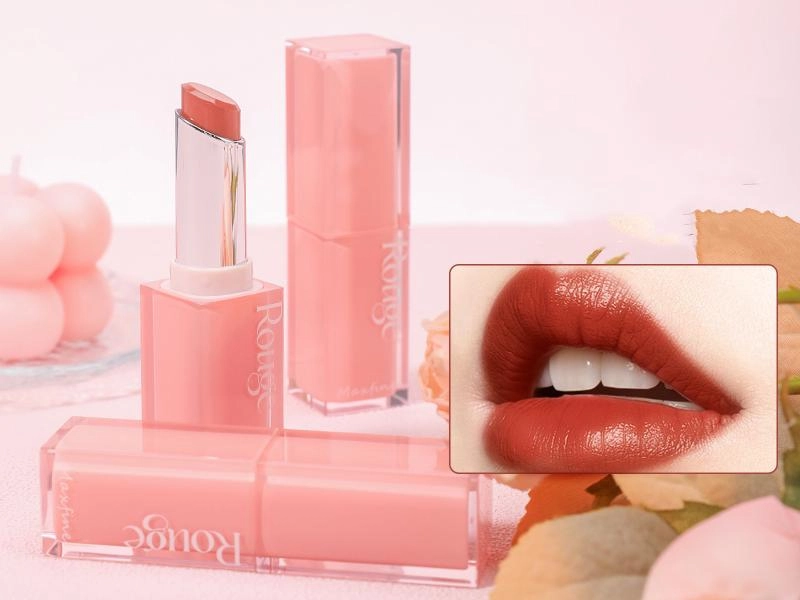
Coral looks easy on a color card. On a finished lipstick, it can move fast: too orange under daylight, too pink under store lighting, or too pale once it sits beside bronzer and warm packaging. That is why a spring and summer coral lipstick launch should start with undertone decisions, not only with a pretty shade name.
For private labels, the better question is not whether coral is trending. It is which coral lipstick shades can repeat well in production, fit the brand’s skin-tone range, and still feel comfortable enough for daily wear. L&J Cosmetics already works across lipstick, lip gloss, lip glaze, lip liner, and lip care, so the shade brief can be linked to real formula types and packaging choices rather than left as a mood board.
Why Coral Needs More Control Than a Simple Orange-Pink Mix
Coral sits between red, orange, pink, and sometimes a little beige. A small pigment change can shift the whole shade family. In lipstick production, color matching is built from pigment ratios, wax for structure, oils for slip, and powders that adjust matte, shimmer, or oil control. A bright red may use more than one red plus yellow; coral often needs the same kind of controlled balancing.
Spring and summer collections add another layer. Buyers expect freshness, but not every market wants the same brightness. A beach retail line may accept a juicy papaya coral. A pharmacy private label may need a softer peach coral that does not look loud beside nude shades. For this reason, coral lipstick should be sampled in at least three undertone routes before packaging artwork is locked.
The safer starting palette usually includes a warm peach coral, a pink coral, and a muted terracotta coral. Those three options create room for fair, medium, and tan skin tones without pushing the range into red or brown too early.
Map Coral Lipstick Shades by Undertone, Not Only by Depth
Depth matters, but undertone decides whether a coral shade looks clean, milky, sunburned, or dated. The same mid-depth coral can read fresh if the orange and pink are balanced, yet heavy if the base carries too much brown. For custom lipstick colors, a written shade brief should state both depth and undertone, with a physical control sample for the lab.
Warm Peach Coral
Warm peach coral works well for spring-summer mini lines, resort kits, and gift sets. It can sit beside nude lip gloss and bronzer without looking sharp. The risk is chalkiness. If the formula has strong coverage and a matte finish, too much white or pale powder may make the color flatten on deeper lips.
Pink Coral and Muted Coral
Pink coral usually feels brighter and more youthful. It is useful when a brand wants coral lipstick shades that still look familiar to pink-lip users. Muted coral, on the other hand, is easier for office, daily, and all-season ranges. It gives private labels a shade that can stay in the permanent line after the summer campaign ends.
A practical test is to place the shade beside three common partners: a clear lip gloss, a matte nude, and a soft red. If the coral sits comfortably with all three, the range is easier to merchandise and easier for sales teams to explain.
Choose Formula Texture Before Final Color Approval
Coral changes with finish. A glossy coral looks more translucent and lively. A velvet matte coral looks deeper and more controlled. A high-coverage bullet lipstick gives stronger color payoff, but dry lips may need a moisturizing base or a softer oil-wax balance.
For a classic bullet launch, a buyer can start from L&J Cosmetics’ lipstick collection. It gives a clearer product route for private label lipstick projects where mold, fill weight, shade count, and outer packaging need to be discussed together.
If the brand wants a more polished daily-use finish, a reference such as shiny hydrating lipstick can support a softer coral direction. Hydrating lipstick is usually easier for dry or flaky lips than a flat matte, especially in warm seasons when consumers reapply outdoors.
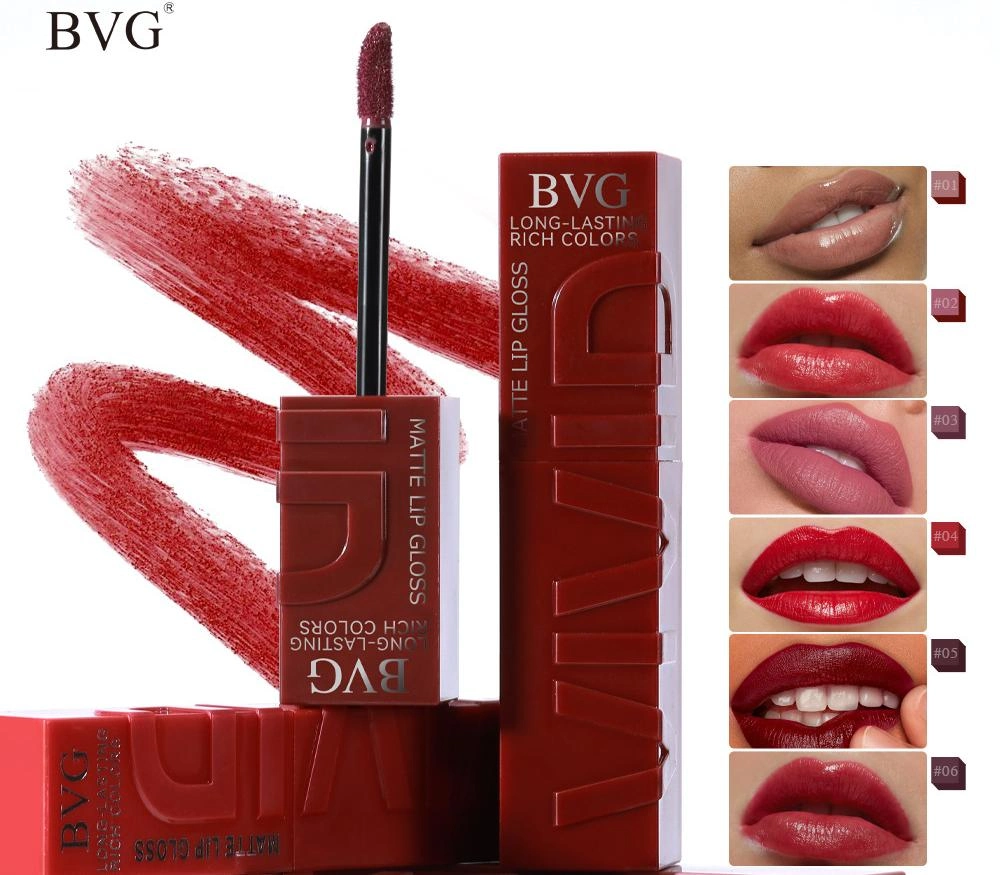
Matte options still have a place. L&J Cosmetics’s lipstick knowledge base includes velvet matte and non-stick cup lipstick styles, with product examples such as velvet matte lipstick and water-mist lip glaze. Those directions suit brands that want a cleaner mask or cup-transfer story. Still, the formula should not chase dryness as a shortcut for staying power.
Sampling Checks That Save a Coral Launch From Rework
A lab sample can look right and still fail the collection. Private labels should review coral on lips, on paper, and beside the final tube color. It also needs a basic stability check. Lipstick production normally moves from lab sample to heating, stirring, rolling into a smooth paste, molding, cooling, packaging, and testing. Each step can slightly change how a coral shade appears.
Color approval should compare bulk goods with the qualified shade, not only the first lab stick. High and low temperature checks are worth adding to the file, especially for warm-weather launches. In industry testing, lipstick may be checked for sweating, deformation, shrinkage, fracture resistance, feathering at the lip edge, and gloss change within a set time window.
For private label lipstick development, a short approval path works better than vague feedback:
1. Confirm the undertone family with one control sample.
2. Approve the finish on lips and on the brand’s packaging color.
3. Check whether the shade still fits after temperature and wear tests.
4. Keep one approved bulk reference for later repeat orders.
That last point matters. Coral is not forgiving when repeat batches drift. A reliable lipstick manufacturer should be able to discuss pigment ratios, sample confirmation, packaging tolerance, and bulk color comparison in the same conversation.
How Private Labels Can Build a Better Coral Brief With L&J Cosmetics
A core brief does not have to be long. Provide information regarding the target market, finish, level of coverage, undertone, sample deadline, packaging style, and claims to be covered by testing. In addition, indicate whether it is part of a spring/summer collection and therefore seasonal, limited-edition, or a permanent color—a main shade or hero color. L&J Cosmetics was founded in 2009 and is an OEM/ODM cosmetics manufacturer based in China with over 150 staff members. The company has more than 20,000 sqm of production space. This information is, however, less relevant once the strategy for the shade has been defined and would be for coordination of the coral program, i.e., formula sampling, color confirmation, and packaging, as well as production of the color.
A brand comparing suppliers can start with the broader lip makeup category to see how lipstick, gloss, glaze, liner, and lip care fit together. For a fuller private label range, L&J Cosmetics also gives a route into OEM/ODM communication.
The best coral lipstick launch is rarely built from one shade. It is built from a controlled shade family, a finish that suits the market, and a manufacturer that can repeat the decision when the first order turns into a reorder.
FAQ
Q1: How many coral lipstick shades should a private label test first?
A1: Three to five is usually enough: warm peach coral, pink coral, muted coral, one deeper option, and one sheer or glossy version if the line needs range.
Q2: Is matte or hydrating texture better for coral lipstick?
A2: Hydrating texture is easier for daily spring and summer wear. Matte can work well, but the formula should be checked for tightness, feathering, and shade darkening.
Q3: What should be included in a custom lipstick color brief?
A3: The brief should include undertone, finish, coverage, control sample, packaging direction, target market, testing needs, and expected order or sampling timeline.
Q4: Can L&J Cosmetics support private label lipstick projects?
A4: Yes. L&J Cosmetics works across lip makeup categories and supports OEM/ODM projects, including lipstick, gloss, glaze, liner, and related customized packaging discussions.
Q5: Why does coral lipstick need bulk color checking?
A5: Coral shifts visibly when pigment ratios, wax-oil balance, or finish changes. Bulk goods should be compared with the approved sample before shipment.