
Why Setting Powder Causes Flashback in Photos and 4K Video
A setting powder can look smooth in a mirror and suddenly appear pale beneath a flash, ring light, or high-resolution camera. That is not one single failure. It can be caused by a shade that is too light for the base, an overly visible deposit on the skin surface, a reflective finish that reads differently under a camera, or an application method that leaves too much product in one area. For a private label launch, the useful question is not whether the powder is universally flash-proof. It is which formula, shade direction, tool, and amount have been checked against the lighting conditions the finished product is likely to meet.
The camera adds another layer to a normal face-powder brief. 4K makeup reveals texture, uneven blending, dry patches, and a cast that might be less obvious in casual daylight. A buyer needs to separate ordinary setting performance from a photo complaint, then approve the product in repeatable conditions. That keeps the development conversation focused on a visible result rather than a vague request for a better powder.
Flashback Is A Visible Result, Not A Single–Ingredient Diagnosis
Setting powder flashback describes a light or chalky appearance seen in a recorded image, often where powder has been concentrated under the eyes, across the center of the face, or on high points. It should not be confused with normal facial brightness, a mismatched foundation shade, or a camera exposure problem. If the same application looks neutral under one set of conditions and very pale under another, the record needs to identify the light, camera, angle, and amount used before the formula is blamed.
Start With The Complete Base Makeup System
L&J Cosmetics groups loose powder, pressed powder, and setting spray as face products used to set makeup, absorb oil, and extend wear. Concealer and foundation sit in the same base-makeup system, so a powder cannot be assessed only as a dry swatch. The buyer should test it over the intended foundation and concealer finish. A bright under-eye concealer, a dewy foundation, and a generous layer of powder can produce a very different recorded effect from the same powder used lightly over a matte base.
Loose powder is a way to absorb excess facial oil and reduce surface shine. That is a useful functional target, but it creates a decision point: how much oil control is needed, and how much visible powder can the base tolerate? More deposit is not automatically more camera-ready. A transparent-looking loose setting powder still needs a controlled application test across the intended shade range.
Check Shade, Coverage, And Particle Appearance Together
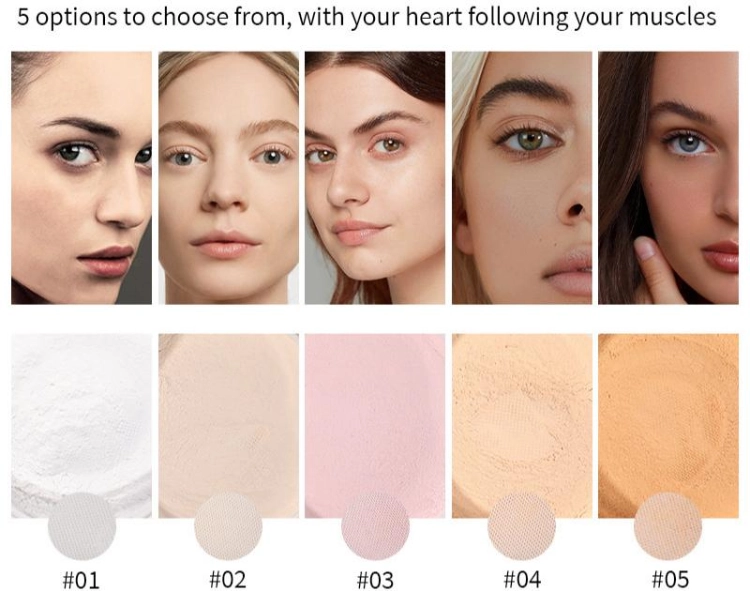
Color naming is only the first part of powder approval. A white, translucent, banana-pink, or skin-toned root can each look different when pressed into a foundation film. A buyer should review the powder on representative light, medium, and deep base shades rather than accepting a single beige-arm swatch. The observation should include bare skin, foundation only, foundation plus concealer, and the final set of makeup. That sequence makes it easier to see whether the issue is coverage, undertone, or the contrast created by the base beneath.
Mica and other light-reflecting powder materials must be treated with care in a camera-makeup brief. Mica is a mineral pigment with a reflective flaky structure that can add sheen and help create a soft-focus effect in loose powders. It also notes that highlighter powders and creams commonly use materials such as titanium dioxide, zinc oxide, silica, and mica for coverage or radiance. Those facts explain why visual assessment matters; they do not justify predicting flashback from an ingredient list alone. Formula balance, concentration, particle treatment, application amount, and the complete base all need sample evidence.
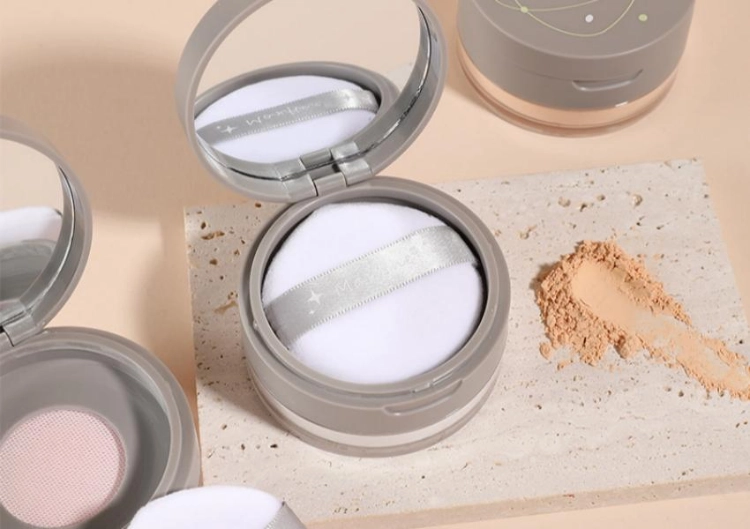
A loose setting powder should therefore be sampled as a complete format: sifter or opening behavior, puff pickup, brush pickup, initial deposit, and the result after pressing or sweeping. A buyer developing a light-diffusing finish may prefer a small amount applied with a brush, while a long-event makeup brief may require a separate pressed-in test. The final retail story should follow the sample result, not a generic promise that a loose powder disappears under every camera.
Build A Photo And Video Sample Method
A usable camera test does not need invented laboratory numbers. It needs repeatable conditions. Apply a declared amount of foundation and concealer, allow the agreed set time, then apply the same measured powder approach to each face zone. Photograph or record fresh makeup under the defined light setups and use the same exposure where possible. Include a direct frontal view, a slight turn, and a close view of under-eye and T-zone areas. Record whether the powder looks lighter, dry, textured, patchy, shiny, or unchanged.
Use More Than One Relevant Lighting Condition
A soft indoor light, a stronger direct light, and the lighting used for short-form video may not produce the same result. The goal is not to simulate every possible studio. It is to establish the conditions that matter to the brand’s customer and judge samples consistently. Camera settings can change an image as much as the powder can. Keep white balance, distance, background, and application method stable when comparing two formula or shade samples.
4K makeup testing should also look beyond the bright cast. High-resolution footage can reveal a heavy powder layer, rough texture around dry areas, or a powder-concealer edge that standard photos hide. Pressed powders may contain moisturizing ingredients and treated pigments, but rough skin can still show caking, and the powder absorbs facial oil. That makes surface texture a separate pass/fail point. A sample can avoid a pale cast and still be unsuitable if it turns a smooth base into a visibly dry one.
Choose The Right Format And Application Boundary
Pressed and loose formats should not be evaluated through an identical protocol. Pressed powder is quick to apply, with pigments surface-treated using oils and surfactants before compression. Loose powder offers a different pickup and deposit pattern. The face powder collection is the right category starting point for a buyer comparing setting formats, but format selection still has to be tied to the intended use: touch-up, under-eye setting, all-over oil control, or a camera-facing finish.
Tool choice matters just as much. A puff can press product firmly into a tacky concealer; a fluffy brush can leave a lighter veil; and a sponge may place more powder than a user expects. Test each method that will appear in product directions or campaign content. A formula that looks good only after a professional artist uses a specific brush may need different positioning from a product intended for quick consumer touch-ups.
Keep Claims Within The Test Result
A well-documented sample review can support practical language about a refined, soft-focus, oil-absorbing, or lightweight finish when the product actually shows those qualities. It cannot turn a limited lighting test into a guarantee for every skin tone, camera, foundation, and application amount.
Approve Formula, Shade Direction, And Pack Together
Packaging affects a powder’s first use and continued application. Check whether the sifter controls release, whether the puff becomes overloaded, whether a compact closes cleanly, and whether transport creates loose dust in the component. L&J Cosmetics OEM material calls for packaging-material sample testing before mass production, where component quality can affect the finished product. Add powder-release behavior and fill appearance to that same approval gate. A balanced formula can still create an excessive application if the component releases too much product at once.
В макияж лица provides a useful path for a brand building the powder alongside foundation and concealer rather than treating it as a standalone SKU. Later in development, Л&Дж. Скосметика can support formula, shade, packaging, printing, and sample-confirmation discussions across the face category. The clearest brief identifies the target base, lighting checks, application tools, shade families, and final component before a buyer approves a production sample.
Часто задаваемые вопросы
Q1: Does setting powder flashback always mean the formula is poor?
A1: No. A pale result can come from shade mismatch, a heavy application, the base underneath, reflective materials, or camera exposure. The sample should be checked in a repeatable base-and-lighting setup before deciding what needs revision.
Q2: Should loose setting powder be tested on every foundation shade?
A2: Test representative light, medium, and deep shades at minimum. This is more useful than approving a powder over one beige base because contrast and undertone can change the visible result.
Q3: Is a phone photo enough for 4K makeup approval?
A3: It can support the review, but the team should also record under the planned video lighting and inspect close footage for texture, dryness, uneven powder deposit, and visible cast.
Q4: Which application tools should be included in a powder test?
A4: Include the puff, brush, sponge, or other tool the brand expects customers to use. Different tools can leave very different amounts of powder on the skin.
Q5: What should a private label buyer approve before bulk production?
A5: Approve the shade direction, finish over the intended base, camera and video sample method, application guidance, sifter or compact behavior, final packaging, and supported claim language.