
Eyeshadow Stick Formulation: How to Prevent Creasing, Dragging, and Tip Breakage
An eyeshadow stick can look effortless in a product video and still fail at the first retail complaint: the color drags, the crease appears before lunch, or the tip snaps inside the cap. The commercial problem is rarely one ingredient by itself. It is the balance between slip, film formation, pigment load, stick hardness, and the package that carries the formula. For a private label buyer, the approval sample has to survive use on the eyelid, in the cap, and in a warm shipping lane.
L&J Cosmetics’ макияж глаз includes single-color shadows, palettes, liquid textures, baked powders, sticks, and finishes such as matte, shimmer, metallic, and pearlescent. That range matters here because an eyeshadow stick is not simply a pressed powder put into a pencil-shaped package. It needs its own wear and mechanical checks.
Start With the Wear Brief, Not the Stick‘с Shape
A workable eyeshadow stick formulation begins with a use brief. Is the product a quick one-swipe wash of color, a buildable cream shadow, a cream eyeshadow stick, or a long-lasting eyeshadow stick for hot and humid markets? Each brief changes the acceptable balance between glide and set time. A soft formula may feel luxurious during application but crease quickly. A very firm stick may last longer and still frustrate users because it pulls the eyelid or leaves broken color.
Define Slip, Set Time, and Finish
Ask the lab to record three moments: first contact, blending window, and set film. The first contact should leave an even stripe without skipping. The blending window should give a user enough time to soften the edge with a finger or brush. Once set, the film should resist normal blinking without turning brittle. Satin, shimmer, metallic, and pearlescent finishes can show different behavior even when they share a base, so each finish needs a separate sample review.
For a more fluid, reflective concept, the гелевые тени-карандаш хайлайтер page is a useful product reference because the format is positioned around a stick with a light-catching effect. It should not be treated as evidence of a universal wear claim. Instead, it helps a buyer explain the intended sensory direction before the lab adjusts hardness, payoff, and dry-down.
Control Creasing Through Film and Layer Weight
Creasing is often a film problem made worse by excess deposit. A thick layer can remain mobile in the fold of the eyelid, especially when skin warmth and sebum soften the surface. A stick that leaves a thin, even film has a better starting point than one that lays down a heavy stripe and relies on the user to remove the excess. The target is not the driest possible finish. It is a film that stays flexible enough for blinking while limiting movement into the crease.
Run the Same Shade in Three Application Modes
Test one pass, two passes, and a blended edge. Record wet appearance, five-minute set, four-hour wear, and end-of-day crease location. Add a primer and bare-lid comparison if the product will be sold as a one-step item. The important question is whether the formula fails only when overloaded or whether the base itself migrates. A creamy eyeshadow stick can be successful when the carton gives a realistic application instruction and the formula remains forgiving at normal thickness.
Pigment load also changes drag. More pigment can improve payoff, yet a dense system may feel less fluid and can leave a rough stripe if powders are not dispersed well. A brand should ask for a rub-out check on a white card and on several skin tones, then compare the same shade after drying. This catches patchiness that a quick hand swatch can hide.
Prevent Dragging Without Making the Stick Fragile
Dragging is felt before it is seen. It usually appears when the stick has too much resistance for the eyelid, the tip is too narrow, or the surface has dried unevenly. Temperature has a strong effect on this balance. A sample that feels perfect in an air-conditioned office may become hard in a cold warehouse and soft in a hot delivery vehicle. Approval should therefore include at least two temperature conditions and a room-temperature recovery check.
Check Tip Geometry and Application Pressure
Tip shape is part of the formula brief. A rounded tip gives a broader wash and spreads pressure across more product. A pointed tip gives a sharper line but concentrates force at the end, increasing the chance of skipping or breakage. The eye shadow stick direction gives buyers a concrete reference for the stick format, but the final private label sample still needs its own tip diameter, extension length, and cap-clearance check.
Mechanical testing should mimic retail use rather than a single dramatic bend. Apply repeated strokes to a test surface, rotate the stick, close and open the cap, and inspect the exposed tip after transport simulation. Look for shear marks, soft spots, cap contact, and product pushed into the collar. If the tip breaks only after several openings, the issue may be the package fit rather than the bulk formula.
Match the Finish to the Range Architecture
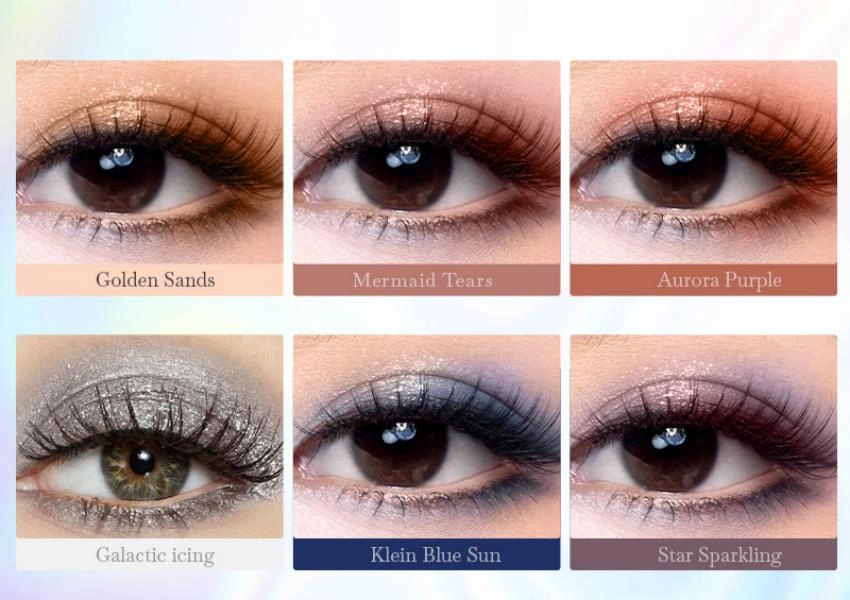
A stick line sells better when each finish has a job. A matte neutral can be the daily base, a shimmer shade can serve as a quick lid wash, and a reflective topper can create a higher-value seasonal item. L&J Cosmetics has stick formats and multiple eye finishes, including a монохромные блестящие тени-карандаш для век. That makes finishing planning more practical than launching six near-identical shades with different names.
Keep Shade Approval Separate From Wear Approval
A color can be approved visually and still fail as a product. The shade panel should check opacity, sparkle size, undertone, and payoff across light, medium, and deep skin tones. The wear panel should check crease, transfer, removal, and comfort. Keeping those decisions separate prevents a beautiful swatch from hiding a weak film or a strong-wearing formula from being approved with an unattractive cast. This matters when a long-lasting eyeshadow stick is positioned beside a softer cream eyeshadow stick in the same range.
Range planning also affects packaging. A slim stick may support a premium single shade, while a thicker component can give more room for a high-payoff color and better handling. Cap fit, twist travel, wiper or collar design, and label placement should be reviewed with the formula sample, not after the shade has been locked. A packaging change can alter perceived application pressure and even make a previously stable tip look fragile.
Use Supplier Sampling to Reduce Launch Risk
L&J Cosmetics has operated since 2009, with more than 150 employees and a production base of over 20,000 square meters. A buyer can ask for parallel shade samples, packaging mock-ups, batch comparison, and a clear approval record instead of discussing the stick as a single isolated item. The L&J Cosmetics is the appropriate broad link for that manufacturer-level discussion.
A strong sample brief for a private label eyeshadow buyer should include the shade code, finish, target glide, set-time window, expected application method, component dimensions, cap material, fill weight, and test temperatures. It should also state what happens when the customer applies a second layer. These details make a later bulk comparison possible and give an eyeshadow stick manufacturer a clear route when the first sample creases or drags.
Approve the Failure Modes, Too
Before purchase order release, request evidence from the less attractive parts of use: a worn tip, a cap opened repeatedly, a shade after heat exposure, a blended edge after several hours, and a removal test. Ask how a replacement sample will be matched if the batch changes. A supplier that can discuss those failure points in concrete terms is more useful than one that only presents a perfect swatch.
The practical goal is a stick that applies with little pressure, sets without a tight or brittle feel, and arrives with its tip intact. For a private label eyeshadow project, that combination protects both product reviews and the cost of replacing damaged units. Formula, component, and range decisions should be signed off together because each one changes the others. A second eyeshadow stick formulation sample should be judged against the retained standard, not against memory.
Часто задаваемые вопросы
Q1: What causes an eyeshadow stick to crease quickly?
A1: Excess layer weight, a slow-setting film, eyelid warmth, and sebum can all contribute. Test the one-pass and two-pass applications separately before changing the entire base.
Q2: How can a brand reduce dragging during application?
Review stick hardness, tip geometry, pigment dispersion, and temperature behavior. The sample should glide at the lowest practical pressure and leave an even film without repeated rubbing.
Q3: Why do eyeshadow stick tips break?
Common causes include an overly soft bulk, excessive stick extension, concentrated pressure at a pointed tip, and cap contact. Mechanical use and transport checks should be run with the final component.
Q4: Can one base formula support matte and glitter sticks?
A shared development platform may be possible, but finish, pigment load, sparkle material, glide, and set time still need separate approval. A matching name does not make the wear behavior identical.
Q5: What should a private label buyer request before bulk production?
Request signed shade references, repeated-use tip checks, temperature observations, cap-fit confirmation, wear photos, fill information, and a retained approval sample from an eyeshadow stick manufacturer for later batch comparison.