
Polka Dot Nail Collections: How to Convert a Search Trend into a Low-Risk Seasonal Launch
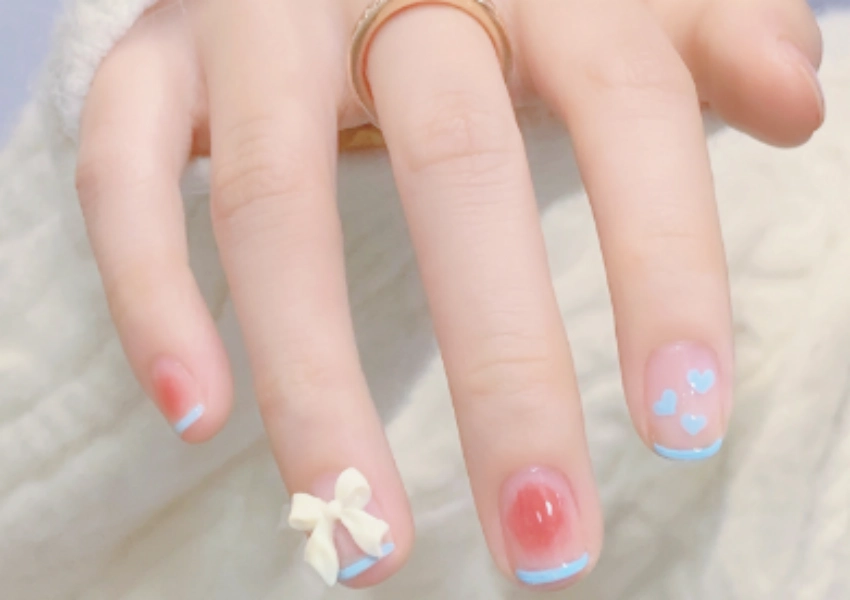
Polka dots are easy to spot in a feed and easy to mishandle in a product range. A brand can turn the motif into a seasonal nail collection, but a few dots placed on random colors do not create a launch strategy. The commercial work sits underneath the image: selecting base shades that sell without the motif, choosing dot contrast that survives application, keeping the set small enough to test, and deciding whether the first run should use regular lacquer or gel.
L&J Cosmetics’ nail art includes quick-drying polish, UV gel polish, scented polish, fast-drying nude colors, matte-colored polish, and base-coat products. That mix gives a private label team several ways to build a polka dot concept. The collection can be a simple lacquer set, a gel-led salon capsule, or a small color story with a nude base and a brighter accent.
Build the Collection Around Base Colors That Can Sell Alone
The dot is the visual hook, not the whole product. Start by asking whether each base shade would still make sense as a single bottle. Soft white, sheer pink, nude beige, butter yellow, cherry red, and navy can all support different levels of contrast, but the right group depends on the target channel and season. A retailer usually has more patience for a trend set when the remaining bottles can be sold as everyday colors after the content moment fades.
Use a Small Shade Ladder
A low-risk first collection can use three roles: one easy base, one bright accent, and one deeper contrast. For example, a milky pink base may pair with cherry dots, while a navy base can carry white dots and a yellow base can carry a darker brown or red. Keep the dot color close to existing shades in the line so leftover stock can move into standalone or mix-and-match merchandising. That is the backbone of a practical nail polish color collection, rather than a one-season novelty box.
A direct product reference such as the fast drying nude color series can support the neutral end of the plan. It does not prove that every nude will work as a polka dot base. The useful connection is narrower: a fast-drying nude family gives the buyer a realistic starting point for a soft base story, followed by sample testing for opacity, dot contrast, and layer control.
Test Dot Contrast, Flow, and Drying Together
Polka dot nails expose uneven film behavior. For polka dot nails, check the sample while the base is still soft because the tool can pull color and leave tails. If the dot polish is too thick, the circles can sit high, wrinkle, or dry with a visible edge. The sample protocol should record base coat, number of base layers, drying interval, dot tool or brush, dot size, second-color load, and final dry time.
Check the Brush Before the Pattern
Brush quality affects whether a collection feels professional at the first application. Industry product guidance used in L&J Cosmetics evaluates bristle shape, a slender tip, elasticity, and flow. Those points are practical for a polka dot launch: the brush must spread the base evenly, release a controlled amount, and return to shape without leaving a thick track at the nail edge.
В quick drying finger polish is a precise category fit for a fast-setting lacquer direction. The product name supports a drying-led brief, but the actual dot system still needs a timed sample check. Quick drying is only helpful when the base remains level long enough for the dot pattern to be placed without dragging.
Use a simple visual grid during approval: small dots, medium dots, irregular dots, and two-dot spacing. Photograph each after application, after the stated dry time, and after a short handling period. Uneven halos, pinholes, loss of opacity, and raised edges should be recorded by shade rather than described as a collection-wide problem. A single difficult color may need a changed pigment load or a different role in the set.
Choose the Formula Platform for the Selling Channel
Regular nail polish and gel polish create different launch conditions. A lacquer set can suit beauty retail, gift boxes, and at-home use where simple application and drying time matter. A gel set may fit salon partners or customers who already own a UV or LED lamp. Gel polish commonly relies on resin and a photoinitiator, so curing instructions, lamp compatibility, and removal expectations belong in the product brief rather than being added at the end.
Keep Gel and Lacquer Claims Separate
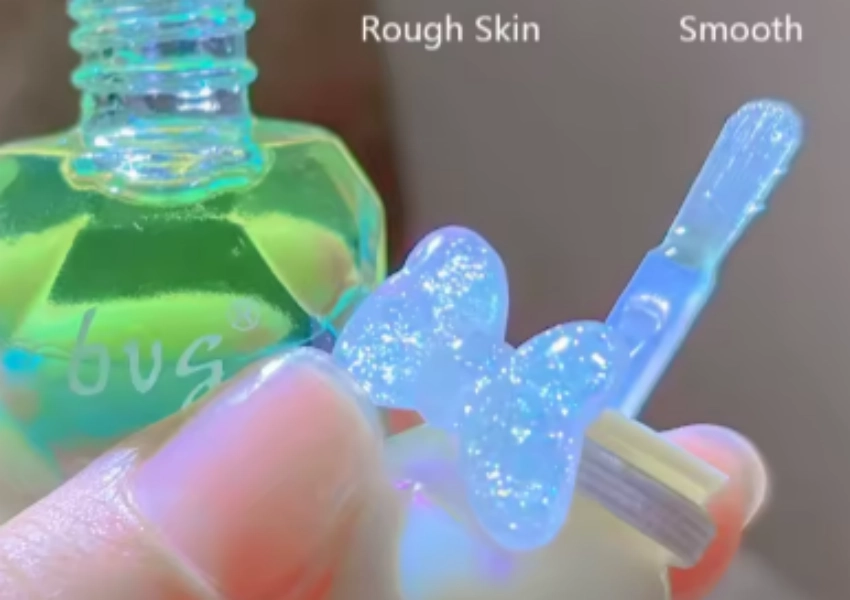
В UV гель-лак для ногтей page gives a relevant route for a salon-facing capsule, but it should not be linked as if it were ordinary quick-dry lacquer. The package, usage instructions, curing step, and channel promise are different. A buyer deciding between the two should compare the complete customer journey, including lamp access, removal, training, and after-sales questions.
For a regular lacquer set, the approval focus shifts to layer thinness, dry time between coats, adhesion, particles, shrinkage, and film appearance. Thin layers with drying between coats generally help evenness, but the exact interval must come from the tested formula. For a gel set, the same visual pattern also needs cure depth and removal checks. Dots that look crisp before curing can lose definition if the film is too thick.
Turn the Trend Into a Manageable SKU Plan
The phrase “seasonal nail trends” can tempt brands into launching too many combinations. A safer plan for seasonal nail trends is to separate the motif from the inventory. Start with two or three base shades and one or two dot colors, then define the combinations on the carton or content plan. The same white dot polish can serve a navy, pink, or red base. That creates more looks without adding a bottle for every look.
Use One Hero Set and One Refill Logic
A hero set can carry the story for a nail polish color collection: a soft base, a bright base, a dark base, and one high-contrast dot color. A second item can be a smaller accent set or a duo rather than another full collection. This keeps the first purchase easier to explain and gives the sales team a clear test question: which base sells first, and which dot color earns repeat demand?
A scented option can create a different retail angle. The fruit scented nail polish supports a fragrance-led nail concept, but scent should not be added to a polka dot collection only for novelty. Check whether fragrance changes perceived drying, whether the bottle and cap retain the odor, and whether the final carton still communicates the shade story clearly.
Use Sample Gates Before Committing to the Season
A seasonal launch needs dates, but the calendar should not replace sample gates. First approve the base colors and brush flow. Next approve dot contrast, size control, dry time, and finish. Then run packaging handling, bottle leakage checks, label adhesion, and transport simulation. A trend product with a short sales window has less room for late corrections, so the first sample must answer practical questions quickly.
What to Record in the Approval Sheet
Record shade code, formula type, brush version, fill level, coat count, dry intervals, dot tool, room conditions, photo references, and the reason for approval or rejection. Include a retained sample from the accepted batch. If the collection is developed as private-label nail polish with L&J Cosmetics or another OEM/ODM partner, the same sheet can connect shade development, packaging, and repeat-order checks without turning the project into a vague trend request. The final nail art polish sample should be part of that record.
L&J Cosmetics was established in 2009 and has more than 150 employees across a production base exceeding 20,000 square meters. For a buyer, the useful point is the ability to discuss related items together: polish type, shade set, brush, package, and sample revisions.
The right success measure is not only how quickly a polka-dot image gets clicks. Watch sample approval speed, sell-through by base shade, customer questions about application, defect or leakage feedback, and whether individual colors move after the seasonal display ends. A restrained first run gives the trend room to prove itself while keeping the next order tied to actual product behavior.
Часто задаваемые вопросы
Q1: How many shades should a first polka dot nail collection contain?
A1: Two or three base shades plus one or two dot colors is a practical starting point. It creates visible combinations while limiting leftover stock and making the range easier to merchandise.
Q2: Should polka dot sets use regular polish or gel?
Choose regular polish for simple at-home or retail use, and consider gel for salon or lamp-equipped channels. Curing, removal, packaging, and instructions must match the selected platform.
Q3: How can a brand prevent dots from dragging the base color?
Approve the base dry interval, dot formula viscosity, tool load, and application pressure together. Test small and medium dots after one base layer and after two layers.
Q4: Can a scented polish work in a seasonal nail collection?
It can, provided the scent supports the range story and does not distract from shade selection. Check formula behavior, bottle retention, label communication, and customer preference before adding the feature.
Q5: What should a private label nail polish buyer request before launch?
Request approved shade standards, brush samples, dry-time records, dot-pattern photos, packaging checks, transport observations, retained nail art polish samples, and a reorder process for the colors that sell best.